From medicine to business: the increasingly early and casual use of botulinum toxin raises questions about safety, abuse, missing controls and often underestimated side effects.
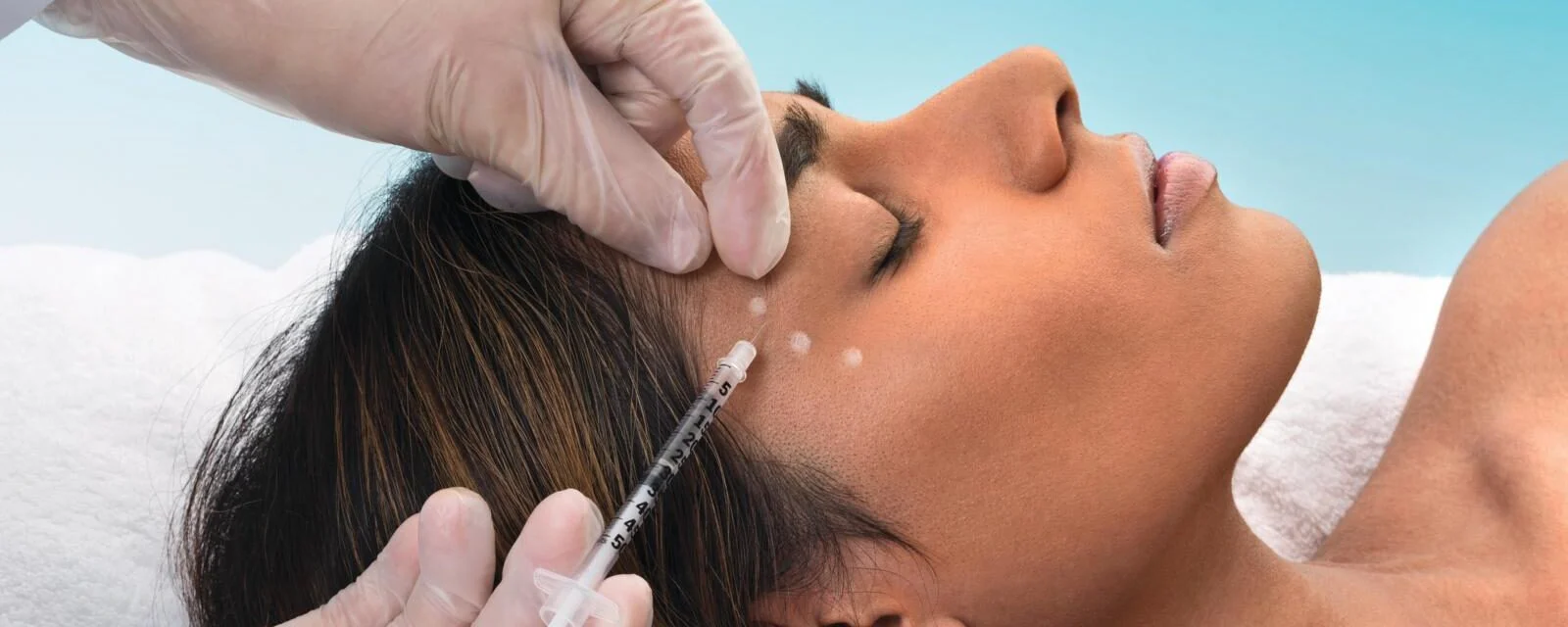
It is not true that Botox removes wrinkles. It takes away much more: emotions, expressiveness, risk awareness. And above all, Health. Ever since we stopped asking ourselves what we are getting injected under our skin, the boundary between medicine and business has become dangerously thin, to the point of almost disappearing. Last September Allergan Aesthetics, one of the world’s leading manufacturers of Botox, published a warning to consumers on its website: the adverse effects are real, and improper use or in unauthorized locations can cause serious and potentially fatal complications, including breathing and swallowing difficulties, speech problems, but also double vision, loss of voice or loss of bladder control. Allergan specifies that the most worrying cases, however, were not detected when the product was used in the areas foreseen by the protocols (glabella wrinkles, forehead, “crow’s feet” and therefore around the eyes) and with the recommended doses. The fact is that now, thanks to the trends that are popular on social media, the toxin is used “full face”, therefore practically everywhere. The result is deformed and expressionless faces which are increasingly those of boys and girls who start with Botox at the age of 18 and then are unable to stop.
Neurotoxin and nervous system
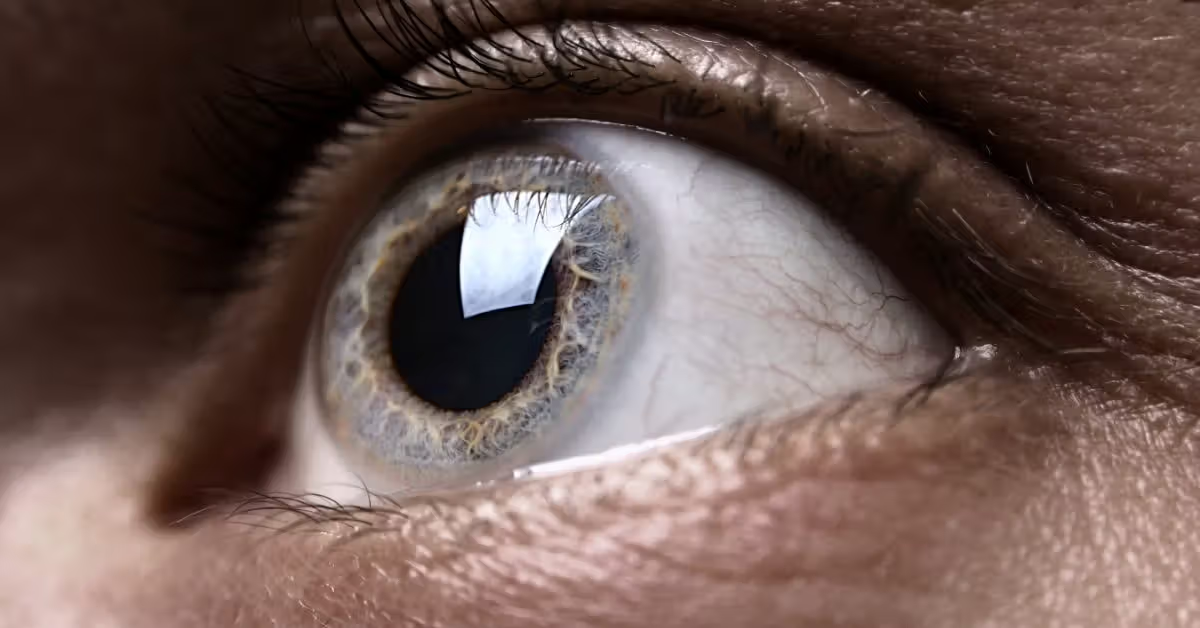
The risks are many. «Botulinum is one neurotoxin which chooses nervous tissue as its “target”” Professor Antonino Di Pietro, dermatologist and scientific director of the Vita Cutis dermoclinical institute in Milan, tells Panorama. «It’s not a harmless moisturizer, it’s not hyaluronic acid. Botulinum toxin acts on the nerve precisely at its most delicate point: in the neuromuscular junction. Several years ago, studying the action of botulinum in mice, the neuroscientist Matteo Caleo of the CNR in Pisa (who died three years ago, ed.) demonstrated that by injecting it into the snout of rats, it was found – thanks to a retrograde mechanism – in the brain. Obviously very high doses had been used, but all this could mean that the toxin manages to enter the nerves and, going backwards, reach the brain.” This has only been found on laboratory animals and we are not certain that it can also happen in humans but – according to Doctor Di Pietro – this eventuality could also explain why after botulinum injections some people experience heachache, vision disorders, fatigue And weakening.
International cases and the health alarm
Meanwhile, the news tells us that in the United Kingdom, in July 2025, 38 episodes of botulinum poisoning were reported immediately after beauty treatments carried out in unauthorized centres. The alarm was so strong that the British government announced stricter control regulations with the aim of raising safety standards. Even in the United States, attention is very high, after the FDA reported 22 cases of intoxication in April 2024, distributed across 10 different states, involving people who had received injections of botulinum toxin: the symptoms ranged from blurred vision at speech difficultycome on breathing problems tofatigue. Eleven of these patients required hospitalization and some had to take the antidote. The risks, therefore, are always around the corner, and it couldn’t be otherwise, given that the beloved botulinum, far from being harmless, was born as very powerful drug.
From reconstructive surgery to mass aesthetics
«Botulinum toxin was certainly not discovered yesterday», Franz Baruffaldi Preis, director of the Burns and Plastic and Reconstructive Surgery Center at the Niguarda hospital in Milan and cosmetic surgeon, tells us. «It is a drug that has been present in medicine for many years. It was originally used in reconstructive surgery and in the ophthalmology field to treat spasm of the eyelids, then it was used for congenital torticollis and finally it entered the practice of cosmetic surgery, to correct wrinkles caused by facial expressions. Today it is still the only effective treatment to reduce the activity of the mimic muscles. Its action generally lasts from four to six months: then the neuromotor plate regenerates and the muscles contract normally again. At that point the wrinkles reappear.”
Safety, costs and commodification
It is therefore effective, and much loved, precisely because it rejuvenates the face like (for now) no other treatment, and we must certainly not fall into the mistake of lumping everything together: the distinction must always be safety. «Performing botulinum-based treatments is always a medical act, and as such it can prove dangerous: if you are not extremely expert in its use and do not follow all the safety procedures during treatments, you can run into serious problems», says Andrea Spano, surgeon and founder of The Clinic, one of the best-known Italian aesthetic clinics, in Milan. «You need to know how to store, dilute and use: and when you inject botulinum into the skin you have to be very careful to remain in the subcutaneous layer and not to “enter” a blood vessel. Because from there the toxin can go into circulation, and a risky situation can occur systemic absorption».
Young people, addiction and alternatives
It is then essential not to abuse the treatments: because it often ends in one psychological subjection towards “fake” eternal youth, with the risk that, in the long run, the botulinum toxin will also stop working. «If you start with these practices when you are very young, then you always continue, because as soon as the effect of the sting wears off you no longer like it» warns Baruffaldi Preis. «The danger is that the botulinum receptors get used to it and make it no longer effective. It’s like an addiction.”
Wrinkles as a memory of existence
At this point, does it make sense to pay thousands of euros to “change our appearance” and then regret it and spend twice as much to go back to being natural? Perhaps the real secret is not to erase wrinkles, but to remind ourselves why they are there: they represent the visible memory of emotionsthe risks taken, the experiences, the sleepless nights and the laughter too much. In short, of existence. The great actress Anna Magnani already said it in a famous response to her make-up artist: «Leave all my wrinkles, don’t take away even one. It took me forever to make them!».