Cities, coasts, mountains are never simple geographical backgrounds. In the history of literature they become places of memory, interior scenarios and true muses capable of shaping verses destined to last for centuries.
On the occasion of World Poetry Day, eDreams offers an ideal itinerary through six destinations that have nourished the imagination of some of the greatest poets in history. From the romantic lakes of England to the coasts of Chile, passing through Italian villages and South American cities, each place tells of a continuous dialogue between landscape and word.
The Lake District, the romantic heart of England
In the North West of England, the Lake District is one of the most iconic landscapes of the European romantic tradition. Sparkling lakes, soft mountains and small villages surrounded by greenery have transformed this region into a natural laboratory of English poetry between the eighteenth and nineteenth centuries.
It is not surprising that two central figures of British Romanticism, William Wordsworth and Samuel Taylor Coleridge, found inspiration here. Wordsworth lived in these lands for a long time and made it the fulcrum of his poetic vision, celebrating nature as a space of contemplation and spiritual freedom. The fields of daffodils swaying along the banks of the lakes have become immortalized in the famous poem I Wandered Lonely as a Cloudone of the best-known texts in English literature. Coleridge, fascinated by the intensity of these landscapes and the almost mystical relationship with nature developed by his friend, also chose to move to the region.
Pablo Neruda’s Chile between ocean and memory
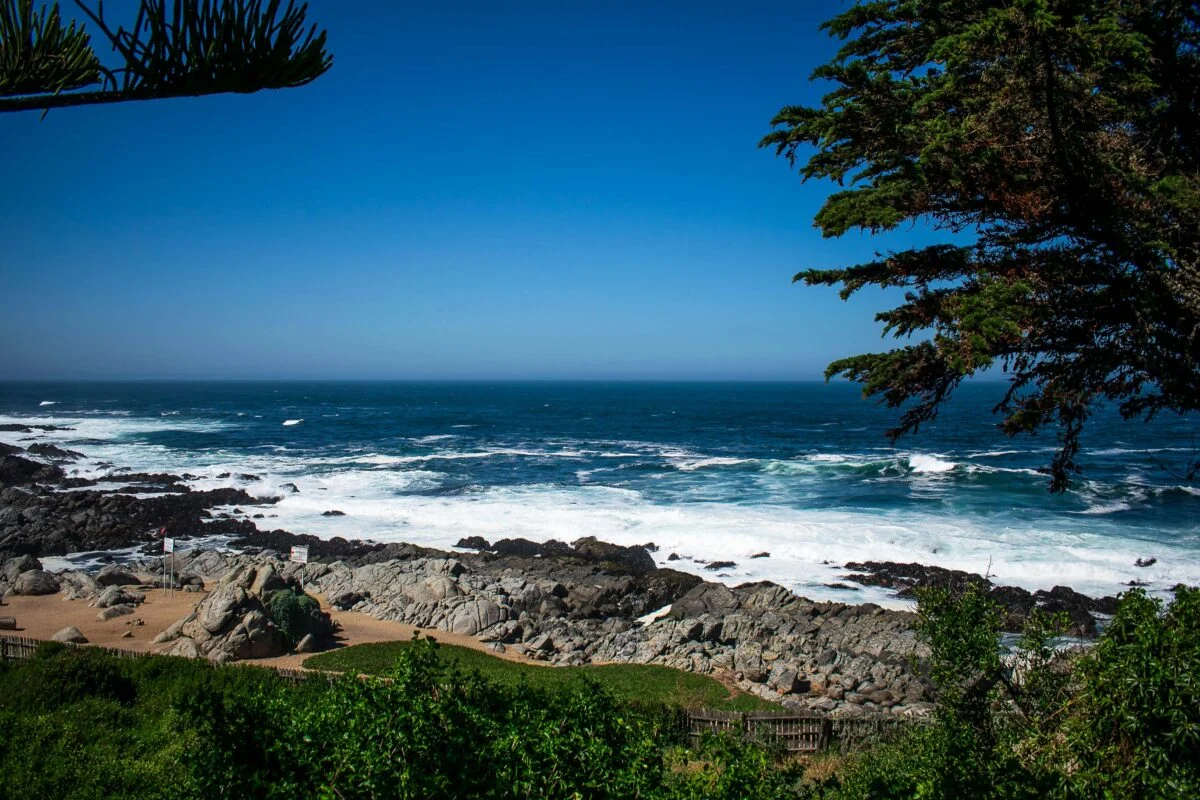
If English romantic poetry was born among lakes and hills, that of Pablo Neruda has its roots in the ocean and the vastness of the Chilean coast. The South American country is often defined as a true “land of poets”, and few authors have been able to tell its soul like the 1971 Nobel Prize winner.
Among the most significant places in his life stands out Isla Negra, along the Pacific coast. Here Neruda built one of his most famous houses, overlooking a rushing sea that becomes a constant presence in his verses. The house, now a museum, was conceived almost as an extension of his poetic imagination, full of objects collected during his travels and symbols linked to the marine world.
The Chilean landscape becomes a true sentimental geography in his lyrics. Windswept rocks, deep waves and open horizons are transformed into metaphors of memory and belonging. In compositions such as Yo volveréNeruda restores an almost mythical dimension to his land, in which nature and personal identity merge.
Recanati and the infinite horizon of Leopardi
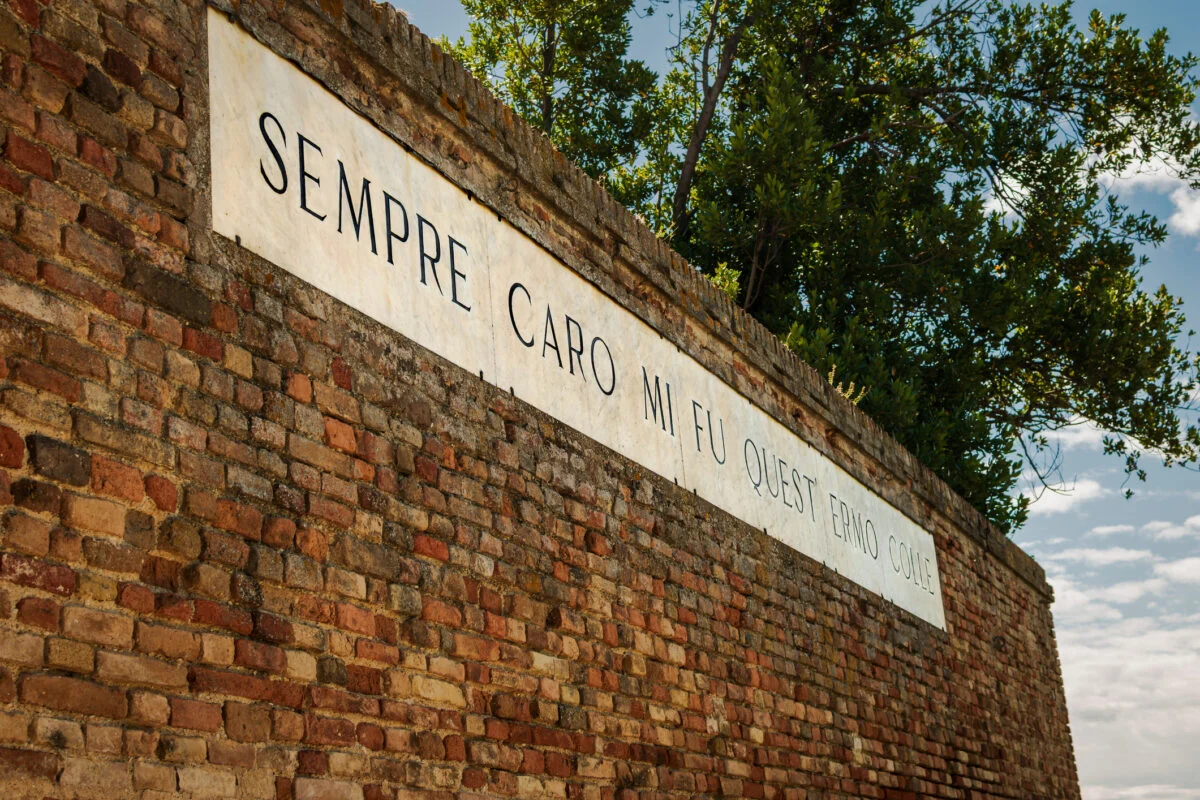
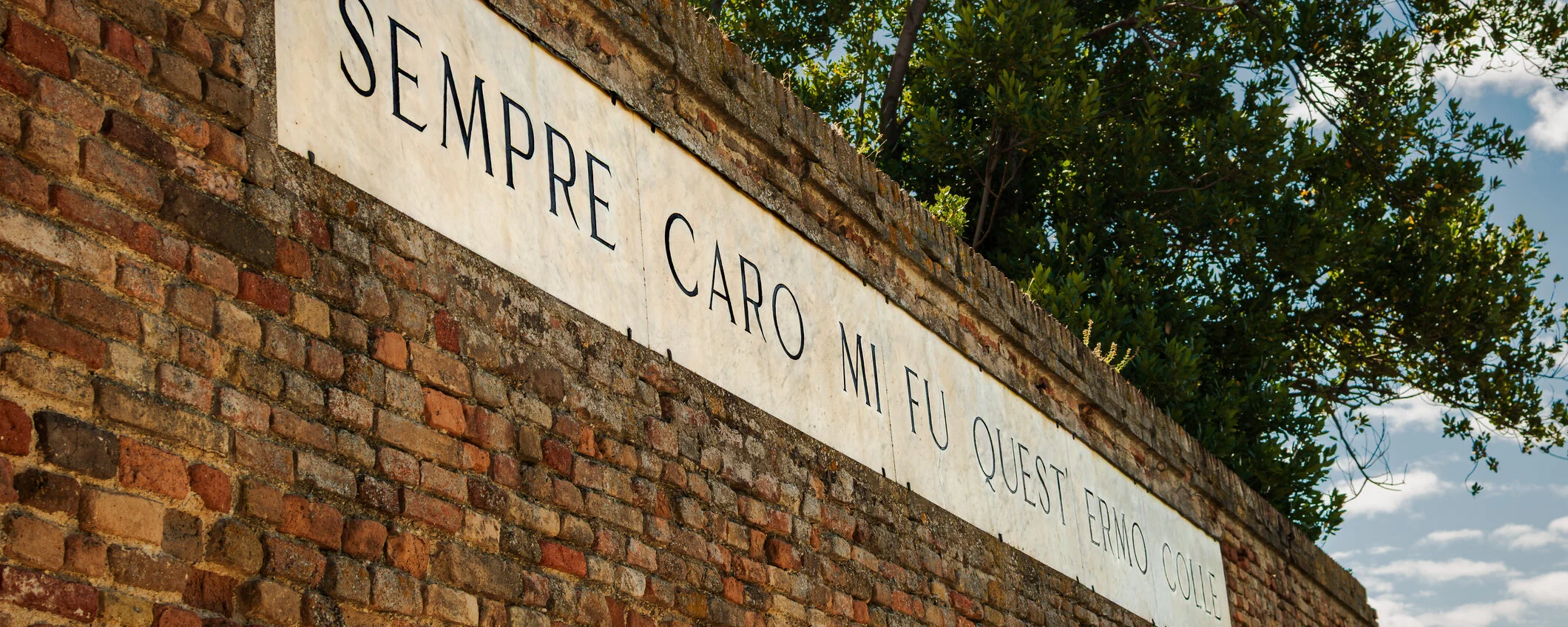
In Italy one of the places most linked to poetry is undoubtedly Recanati, a small village in the Marche where Giacomo Leopardi was born and spent his youth. Here the landscape is not just scenery, but becomes a philosophical and symbolic experience.
On Tabor hill, just outside the historic center, there is the panoramic point that inspired one of the most famous verses in Italian literature. From this place Leopardi imagined the boundless horizon of The Infinitya composition capable of transforming a simple Marche landscape into a universal image of contemplation.
Recanati still retains many traces of the poet’s life. The birthplace, with the famous library of over twenty thousand volumes, recounts the years of study and training of the young Leopardi. Not far away is the small square that served as the backdrop to Village Saturdaywhile the panorama of the Sibillini mountains, visible on clear days, continues to evoke that idea of infinity that has marked generations of readers.
Sligo and the mythical landscapes of William Butler Yeats
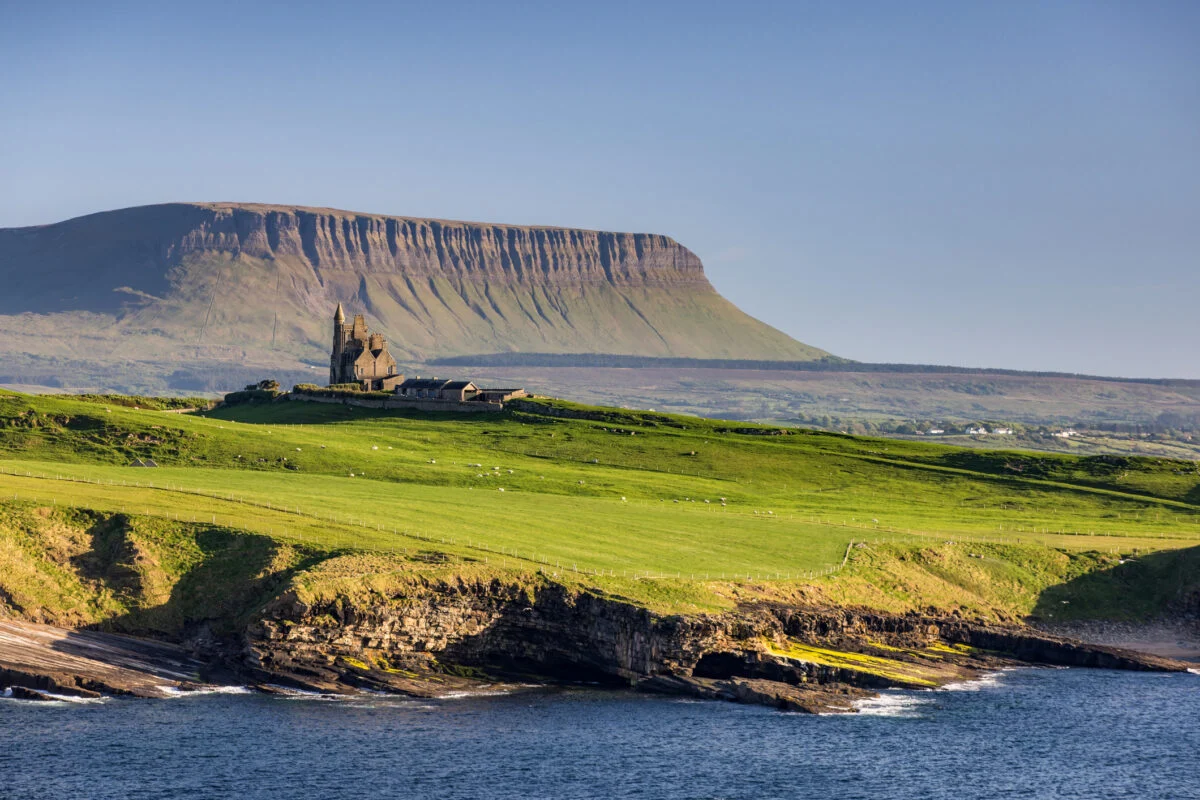
Among the most evocative places in Irish literature is the county of Sligo, in the north-western part of the island. Lakes veiled in fog, isolated mountains and wild coasts make up a scenario that seems suspended between reality and myth.
For William Butler Yeats this territory was much more than a place of childhood. He returned here several times throughout his life and made it the symbolic heart of his poetry. Lough Gill, with the small island of Innisfree, inspired one of his most famous lyrics, The Lake Isle of Innisfreein which the poet imagines an escape to a simpler and more contemplative life.
The mountain of Ben Bulben also occupies a special place in his work. Yeats dedicated one of his last poems to this massif, Under Ben Bulbenand right at the foot of the mountain he chose to be buried. Even today, County Sligo retains that suspended atmosphere that fueled the mythological and symbolic dimension of its poetry.
The Gulf of Poets between Shelley, Byron and Montale
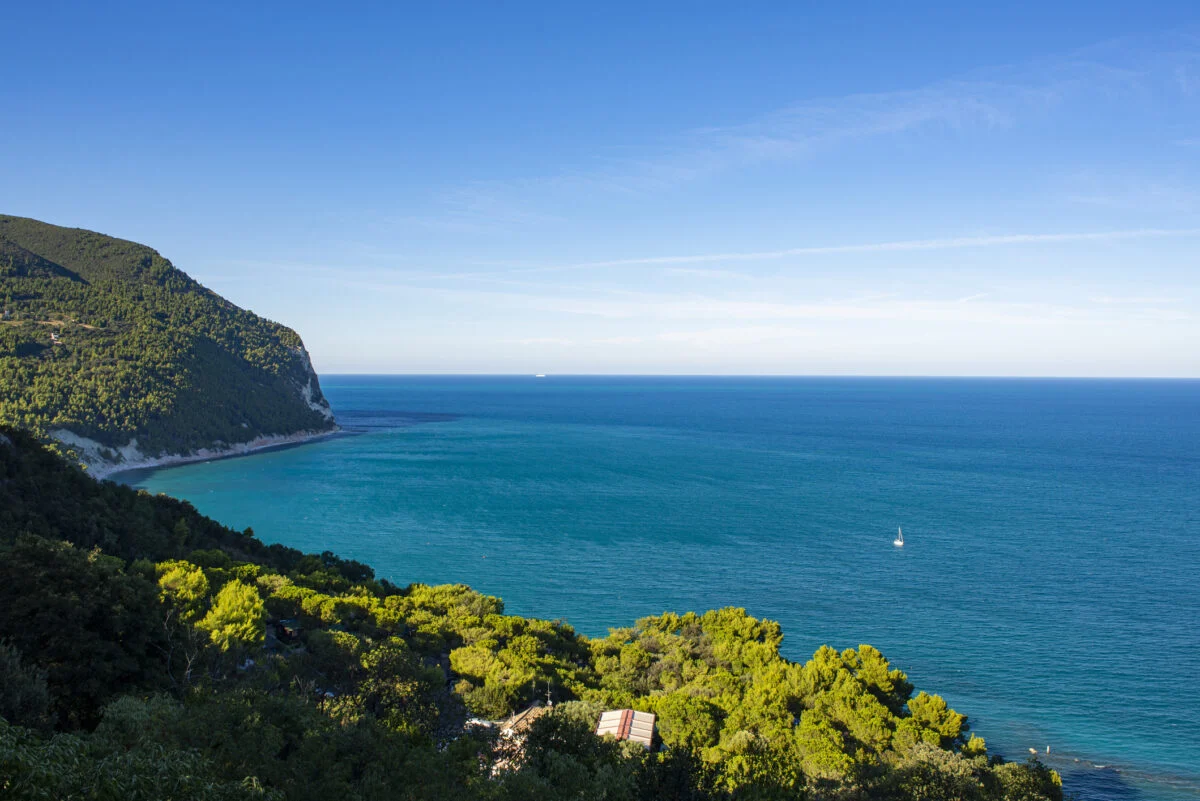
On the Ligurian Riviera there is a stretch of coast that seems to have been created to inspire literature. It is the Gulf of Poets, the inlet that extends between Portovenere and Lerici, where jagged cliffs and colorful villages overlook an intense sea.
This landscape captivated several English authors during the 19th century. Percy Bysshe Shelley lived in these areas for a long time and was fascinated by the wild strength of the Ligurian coast. Lord Byron also frequented the gulf, so much so that a cave in the Portovenere Natural Park still bears his name. According to tradition, the poet loved to retreat there to meditate and swim offshore.
In the twentieth century the charm of the place did not end. Eugenio Montale dedicated a poem to Portovenere in which the landscape becomes a symbol of memory and melancholy. Even today the Gulf of Poets maintains that romantic aura that has attracted writers and travelers for over two centuries.
Buenos Aires and Borges’ poetic labyrinth
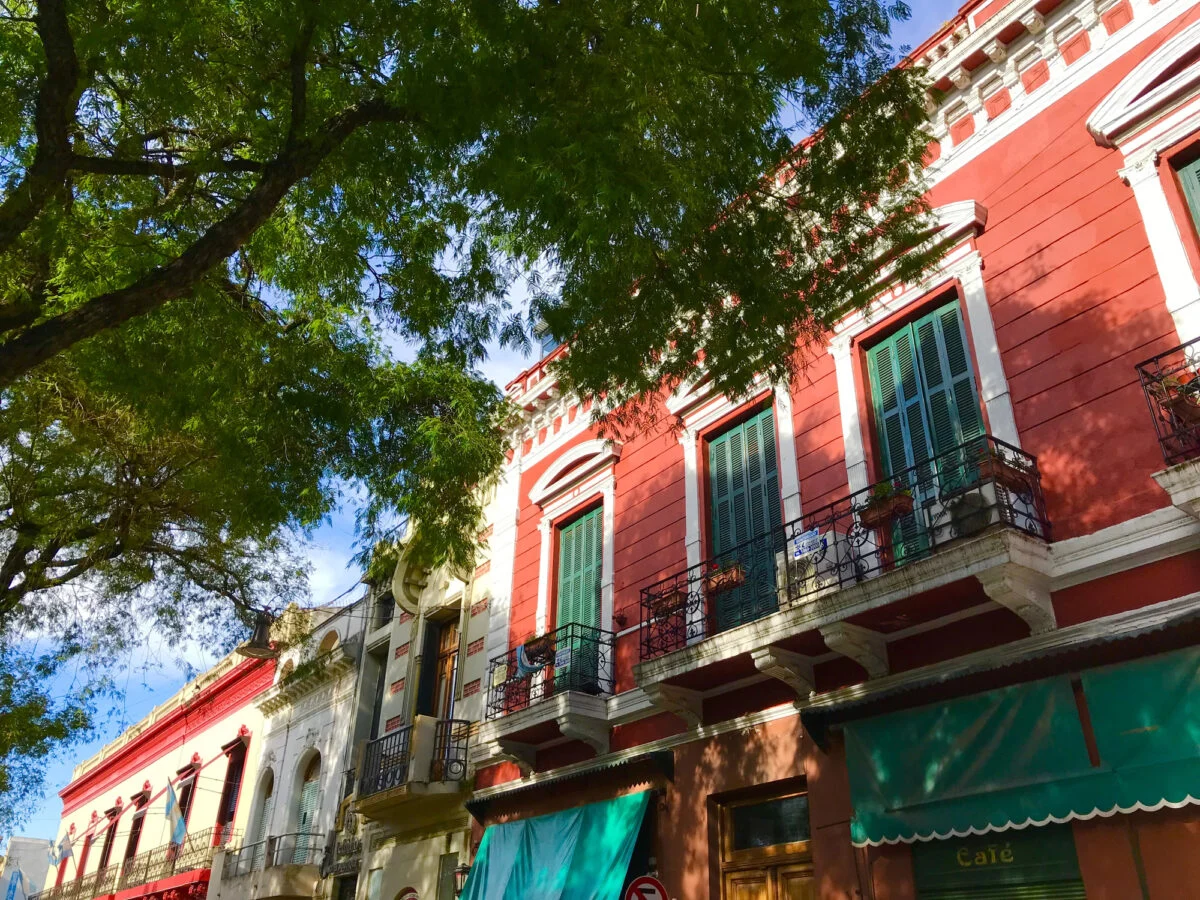
If some poets find inspiration in nature, others seek it in cities. Buenos Aires, with its historic neighborhoods and its intense cultural life, was the great muse of Jorge Luis Borges.
The Argentine capital runs through his entire work. Streets, squares and cafes become places of metaphysical reflection, transforming into symbols of memory and time. Borges observes the city as a large narrative labyrinth, in which every corner can open a story or a meditation on the infinite.
Neighborhoods like Palermo and San Telmo, with their bookshops and their historic cafés, still today convey that literary atmosphere that permeates his texts. In Borges the real and imaginary city continually overlap, demonstrating how everyday experience can become poetic material.