From Juventus’ turning point with Tether to the historic refusals of Ferrero and Esselunga: here’s how the great Made in Italy dynasties that say no to foreign funds
There are offers you can’t refuse. Don Corleone taught it, and investment bankers from all over the world repeat it every day in front of those Italian families who keep a hard face, fold their arms and respond with a firm no to proposals that would have made anyone’s legs tremble.
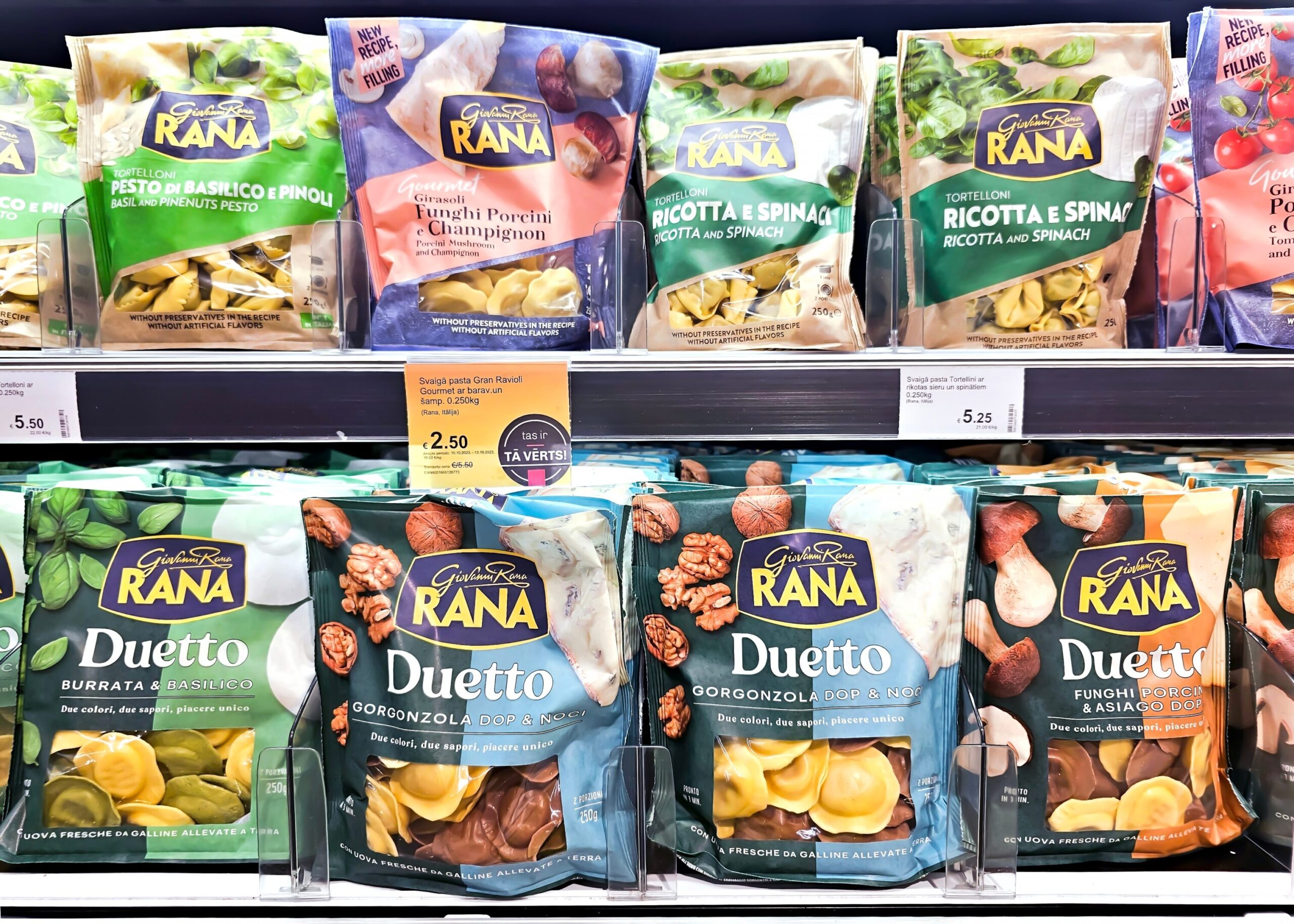
Giovanni Rana was sixty years old and had a pasta factory that everyone wanted when Kraft, Unilever and Pietro Barilla knocked on his door. The market already seemed to have decided. He said no to everyone, one by one. Not out of pride: out of the belief that his name on that product was worth more than any amount written on a piece of paper. He was right. Today Pastificio Rana is a leader in seventy countries, and the founder is still there — testimonial, patriarch, institution.
Ferrero has never been listed on the stock exchange. It has never been sold. With eighteen billion in annual revenues and a presence in one hundred and seventy countries, it is the greatest mystery of the global food industry: a company that could buy almost anyone, but which has never sold anything of itself. Alba’s family has transformed secrecy into a competitive advantage. Those who don’t have shareholders to please every quarter can wait for the right time. Those who keep everything in the family don’t have to explain anything to any fund in New York.
Esselunga is the same story, told with more drama. Bernardo Caprotti resisted for decades: at Walmart, at the Coops, at two private equity funds that had already written the price. He died without having sold. His heirs – wife and daughter Marina – continued along the same lines: when an offer of 7.3 billion arrived from the Chinese giant Yida Investment, they wrote directly to the employees to reassure them. “The company is not for sale.” When rumors circulated about Amazon, the response was even more blunt: no possibility of negotiations, with anyone, for any reason. A statement with the form of an edict and the tone of a door slammed in your face.
Then there is the Juventus case, which is the most explicit of all. Exor, controlled by the Agnelli family, has rejected a 1.1 billion euro offer for a controlling stake in the Juventus club. It was proposed by Tether, who also promised an additional billion for the team. John Elkann responded in a video on the Juventus website with a sentence that says aloud what Rana, Ferrero and the Caprotti have always thought without ever articulating it like this: «Juventus, our history, our values are not for sale.» There is no industrial plan, there are no EBITDA projections. There is only this: we belong to something, and we don’t give it up.
Ultimately, this has always been the lifeblood of Italian family capitalism. Not the size, not the financial diversification, not the multiples on which the funds build their theses. The ability to look at an offer, however generous and once-in-a-lifetime, and respond with a shrug. As if selling were, even before being a strategic mistake, a form of betrayal.
The question, if anything, is another. In a country where much industry has already fallen into foreign hands, often with the approval of the same families who could have kept it, it is worth asking whether the next generation will have the same instincts. If the surname on the gate will still weigh as much as it does today. Or if the right price, sooner or later, someone will find it.