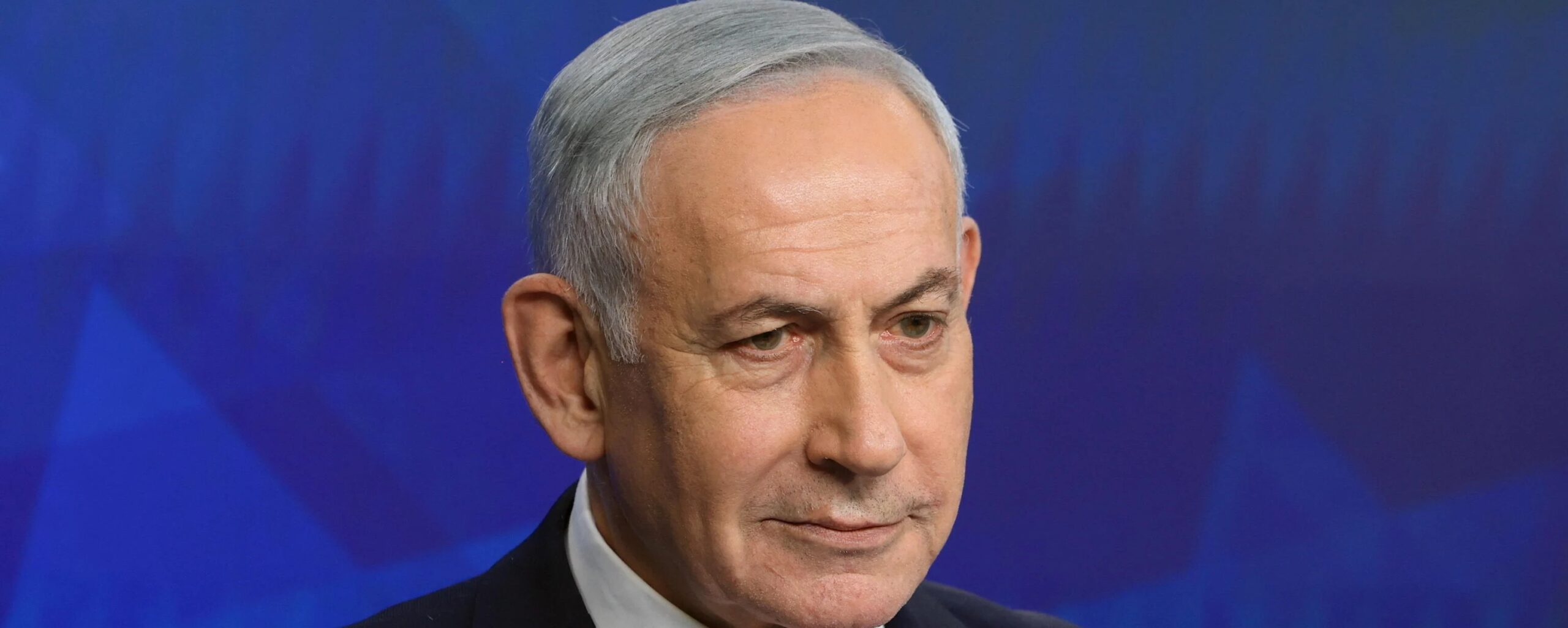
Washington and Riyadh have signed the agreement for the development of a nuclear program for civil purposes. But Israel fears negative repercussions
What Washington and Riyadh have signed on atomic energy is an agreement potentially fraught with geopolitical consequences. “U.S. Secretary of Energy Chris Wright and Saudi Energy Minister HRH Prince Abdulaziz bin Salman have signed a Peaceful Nuclear Cooperation Agreement for a multi-decade partnership worth billions of dollars,” the U.S. Department of Energy said on Wednesday. Although the details are not known, the agreement should last thirty years and should allow Saudi Arabia to develop a nuclear program for civilian purposes.
From a strategic point of view, the United States sees in this agreement a way not only to consolidate economic-energy ties between Washington and Riyadh but also to stem the influence of China and Russia on the Middle Eastern chessboard. In particular, the White House’s objective is to shift the diplomatic balance in the region in favor of the United States to strengthen its negotiating position in the Iranian crisis. On the other hand, according to critics, this agreement, which will in any case have to obtain the possible approval of the American Congress, does not provide adequate guarantees against the possibility that the Saudi monarchy could, sooner or later, acquire atomic weapons. Guarantees that were instead included in the atomic energy agreement that Washington signed with the Abu Dhabi government in 2009.
Israel is currently the main concern in the region. The Jewish state fears first and foremost for its own security. Second, Jerusalem is also disappointed that the agreement does not include the normalization of relations between Saudi Arabia and Israel. Furthermore, it is no mystery that, in recent months, Mohammad bin Salman has subordinated Riyadh’s possible entry into the Abrahamic Pact to the start of a process aimed at establishing a Palestinian state: a condition, the latter, that Benjamin Netanyahu, mainly due to the pressure coming from the right wing of his own governing coalition, is unable to accept. More generally, Israel fears that the agreement between the Americans and Saudis could trigger a rush for atomic technology in the region. It will therefore be necessary to understand how this new agreement will reshuffle the geopolitical balance in the Middle Eastern chessboard.