Turkey has made it known that the defense pact signed with Pakistan and Saudi Arabia could soon also include Egypt. Meanwhile, Iran and Israel’s concerns are growing
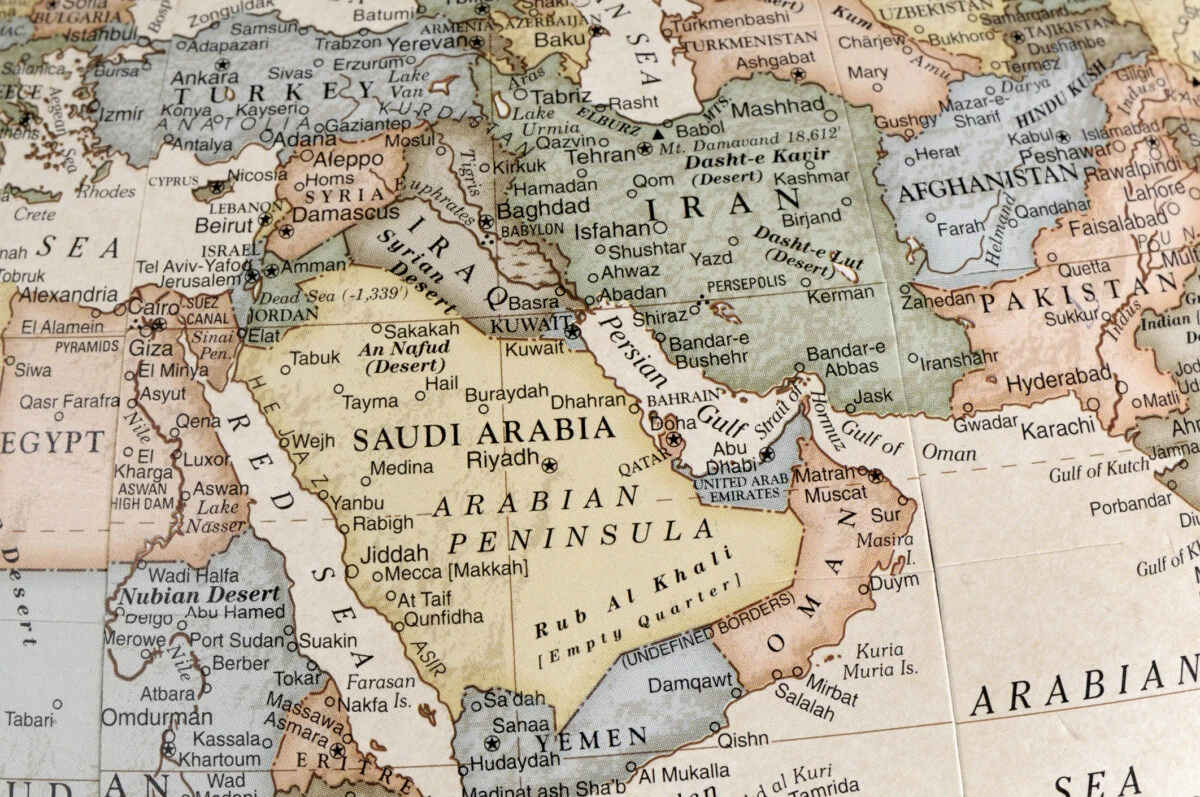
The new Sunni “NATO” could soon expand. Last week, Turkey, Pakistan and Saudi Arabia signed a defense pact in Mecca, specifying that the agreement “aims to strengthen collective deterrence against any act of aggression and establishes that any armed attack against any of the three States shall be considered an attack against all three”. Well, on Saturday, Turkish Foreign Minister Hakan Fidan opened up the possibility that the bloc could soon include Egypt too. “I believe that in the next phase Egypt will also be part of the alliance. We already behave towards each other as if we were members of the alliance,” he said. “There are some technical issues to resolve. Once resolved, there will be no reason why Egypt should not be part of it,” he added.
Not only that. It should also be remembered that, at the end of July, Kuwait ratified a security agreement, which it had signed with Pakistan in 2023. In this regard, it is worth underlining that, in September last year, Islamabad had signed a mutual military assistance agreement with Riyadh. It cannot therefore be ruled out that, in the future, the Kuwait City government may also decide to join the Mecca pact. Among other things – in the joint statement with which Pakistan, Turkey and Saudi Arabia announced the signing of the agreement on Friday – explicit reference is made not only to “shared strategic interests” but also to “lasting bonds of brotherhood and Islamic solidarity”. This means that other Sunni powers could sooner or later join the new bloc.
Of course, the trio has so far taken pains to underline that the Mecca alliance is of an exclusively defensive nature. “We have not formalized any common threat in writing,” Fidan said. For his part, Pakistani Foreign Minister Ishaq Dar also defined the new agreement as “purely defensive”. Yet both Iran and Israel view the Sunni bloc with concern. “The Saudis should understand that an agreement on paper with Turkey and Pakistan will not guarantee their security,” said the member of the Security Committee of the Iranian parliament, Ebrahim Rezaei, in the midst of growing tensions, fueled by the Pasdaran, between Riyadh and the Houthis.
Israel, at least until August 9, had not yet taken an official position. However, it is not difficult to imagine that the new Sunni security pact is viewed with irritation by the government in Jerusalem. In addition to having poor relations with Turkey, the Jewish state has no sympathy for Pakistan’s mediation efforts between Washington and Tehran. Furthermore, in recent months, the Palestinian issue has significantly cooled relations between Benjamin Netanyahu and Mohammad bin Salman. Moreover, in addition to fearing Ankara’s geopolitical aims, the Israeli prime minister looks with concern at the fact that, in the new Sunni trio, there is Pakistan which is notoriously a nuclear power. Furthermore, if the pact were to extend to Egypt, the Jewish state would find itself directly bordering a member of the new military alliance. Which, for Israel, would represent a problem that would be added to that of the pro-Turkish regime currently in force in Damascus.