From intrusions to fires, up to air quality and telemedicine: sensors, cameras and connected systems are transforming home security into an increasingly integrated ecosystem of prevention, protection and assistance
Until a few years ago, talking about home security almost always meant talking about theft. Armored doors, burglar alarms, sirens: protecting the house meant above all preventing someone from entering. Today the concept of home security has expanded profoundly. The risks that concern our homes do not only come from the outside and, above all, technology increasingly allows us to identify them before they become emergencies.
The problem of intrusions naturally remains central. The latest national data available indicates that in Italy over 155 thousand home burglaries were reported in one year. A number that reflects the dimension of a phenomenon that is still relevant, but which tells only part of what is changing in our relationship with security.
The nature of the worry is also changing. We don’t just fear what might happen when the house is empty. Intrusions can occur at different times of the day, even when people are present, transforming security from a need linked to absences to a topic of everyday life.
But focusing only on thefts means stopping at part of the problem. Domestic risks can also arise inside the home: an outbreak of fire, the presence of smoke or carbon monoxide, a gas leak or less than optimal air quality conditions. Very different situations, united by a decisive element: the ability to promptly detect an anomaly can make the difference.
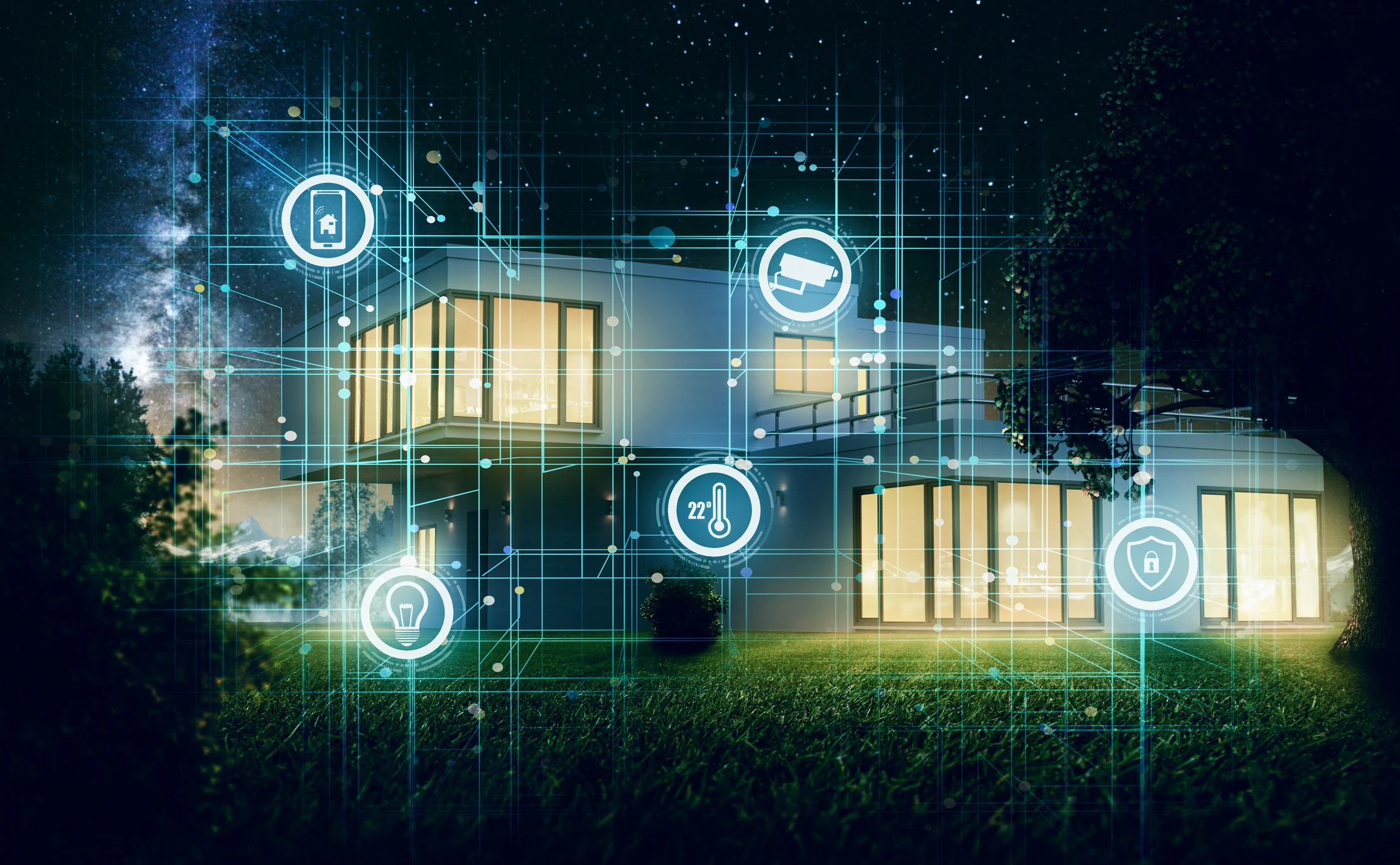
This is where technology is changing the rules. For decades, home systems worked separately: the burglar alarm protected against entry, the detector signaled smoke, other devices controlled individual parameters. The connected home instead allows sensors, cameras and applications to communicate, send information in real time and make remote control possible. The real technological leap therefore does not consist in having more devices, but in making them communicate.
Then there is a demographic phenomenon that will further broaden this scenario. According to ISTAT’s 2025 demographic indicators, as of 1 January 2026 there were 14.8 million over-65s in Italy, equal to 25.1% of the population and over 240 thousand more than a year earlier. The over 85s have exceeded 2.5 million. Italy is today the country in the European Union with the highest incidence of elderly population.
In an aging country, the home is destined to increasingly become a place of assistance and prevention. Telemedicine is part of this transformation: remote health services, monitoring of some parameters and the possibility of maintaining a connection with professionals and structures open up a new perspective. Protection, health and personal autonomy thus begin to meet in the same environment.
This doesn’t mean delegating everything to technology. Safety will also continue to depend on behavior: attention to access, prudence in sharing information about one’s absences on social networks, relationships with neighbors and awareness of risks remain fundamental. Technology becomes truly useful when it strengthens this prevention capacity, not when it claims to replace it.
This is the direction we are working in. The smart alarm is no longer thought of as an isolated element, but as part of an ecosystem that can integrate intrusion protection, smoke and monoxide detection, air quality control and telemedicine services. It is not simply a matter of adding new functions, but of putting different technologies at the service of needs that until recently were addressed separately.
I believe this is the real change that awaits us. Home security will no longer just concern the house we want to protect when we go out, but the environment in which we spend an important part of our lives. Technology will play an increasingly significant role, but its value will not be determined by the number of devices in our homes. It will be in the ability to integrate them in a simple and useful way, transforming the home into a safer environment that is attentive to the needs of those who live there.