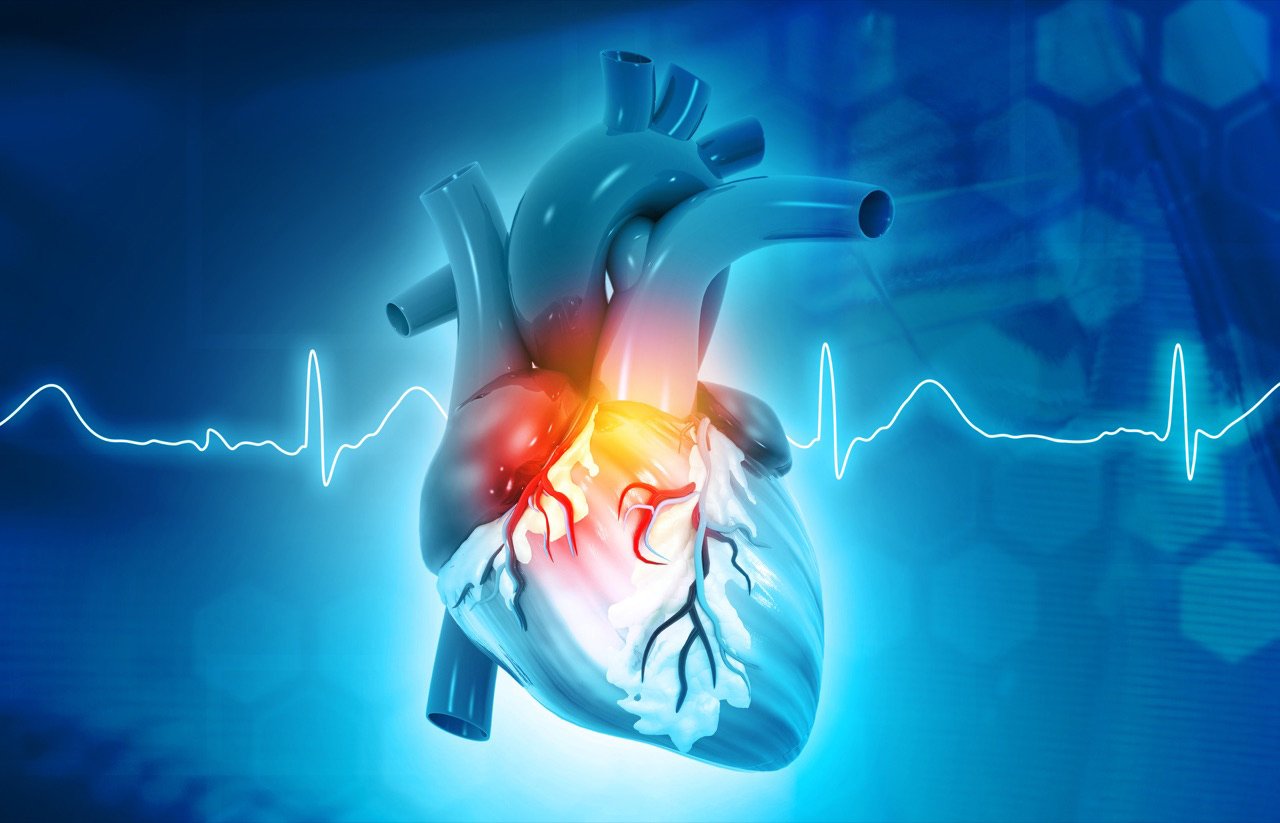
From the first implant in the 1980s to the case of Domenico Caliendo in Naples: how the Berlin Heart works, when it is used and why it can become a decisive bridge towards a new heart.
Domenico Caliendo, two and a half years old, he might have had a real chance of surviving after the failure of the heart transplant at Monaldi in Naples. It is the most relevant conclusion of the 553-page super-expertise filed by the three experts appointed by investigating judge Mariano Sorrentino. According to the experts, once it was ascertained that the heart arrived from Bolzano had been irremediably damaged during storage and transport, the child could have been linked to the Berlin Heart EXCORrather than being kept alive with ECMO. The window indicated is that of the first 72 hours: the device, according to the expert report, could have preserved or re-established the functionality of the organs long enough to make Domenico potentially a candidate for a second transplantwith a probability of survival in the medium and long term. The same expert report, however, does not criticize the transplant surgery performed by Guido Oppido and his team, while it identifies critical issues in the management of the heart during transport from Bolzano and, subsequently, in the choice of mechanical support. It is an important distinction: the Berlin Heart is not indicated by the experts as a guarantee of salvation, but as a therapeutic option that could have kept open the possibility of a second transplant. The legal matter is still ongoing and the conclusions of the expert report will be discussed in the cross-examination between the parties in the evidentiary hearing scheduled for November.
How the Berlin Heart works
The name may make you think of a complete artificial heart, but that’s not exactly the case. The Berlin Heartor more precisely EXCOR system, is a mechanical ventricular assist device: a pump that can temporarily replace the work of the left ventricle, the right ventricle, or both. Unlike other systems, the pumps remain outside the body and are connected to the heart and large vessels through cannulae. A pneumatic system regulates its filling and emptying, allowing circulation to be maintained when the heart is no longer able to do so adequately. It is a particularly important technology in pediatric cardiac surgerybecause there are pumps of different sizes, which can also be used in very young children. The history of the device was born in Berlin: the first implantation of an EXCOR system for ventricular assistance dates back to 1987 and in 1990 it was used for the first time in the pediatric field. Since then the device has been used primarily as a bridge to transplantthat is, to keep a patient alive and in sufficiently stable conditions while waiting for a compatible heart. In some cases it can instead be used as a bridge to recovery, when it is considered possible for the heart to resume adequate function. The fundamental point is therefore time: the machine does not necessarily “cure” the sick heart, but it can temporarily replace part of its work and allow the other organs to recover or be preserved. It is this characteristic that makes it different from ECMO, used above all in acute and critical conditions and capable of providing extracorporeal cardiorespiratory support. The Berlin Heart is designed for longer ventricular supporteven if its use involves important risks, including infections, bleeding and thrombosis, and requires a highly specialized team.
The case of little Domenico Caliendo
The crux of the Naples affair is therefore understandable precisely in light of the difference between the two systems. After the transplant on 23 December 2025, performed with a heart that arrived from Bolzano and was seriously damaged by the dry ice used during transport, Domenico was supported with ECMO. However, the transplanted heart did not recover adequate function and the child’s condition progressively deteriorated. The expert opinion claims that the move to the Berlin Heart could have offered a more lasting form of assistance, preserving the systemic conditions necessary to wait for another organ. It does not mean that the second transplant would certainly have been successful, nor that the implantation of the device was risk-free: it means that, according to the three experts of the investigating judge, it could have prolong the therapeutic window until a new transplant is possible. The issue is particularly significant because on February 17, shortly before Domenico’s death, another heart would have become available, but at that point the child’s clinical conditions no longer allowed it to proceed. It is here that the Berlin Heart takes on, in the Neapolitan case, a meaning that goes beyond technology. The question that the judicial proceedings will have to answer is not simply why a certain device was not used, but whether the choice of ECMO missed a window in which Domenico could have been kept alive long enough to get a second transplant. For the experts, that possibility existed. The judicial cross-examination will now establish the weight of the different behaviors and therapeutic alternatives. But the story of the Berlin Heart explains why a pump created almost forty years ago in Berlin is today at the center of the case: because, in a child waiting for a heart, sometimes the most important therapy is not only the one that supports circulation, but the one that manages to buy enough time to give the transplant another chance.