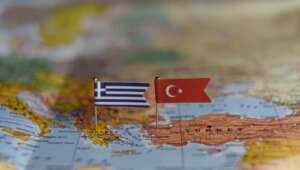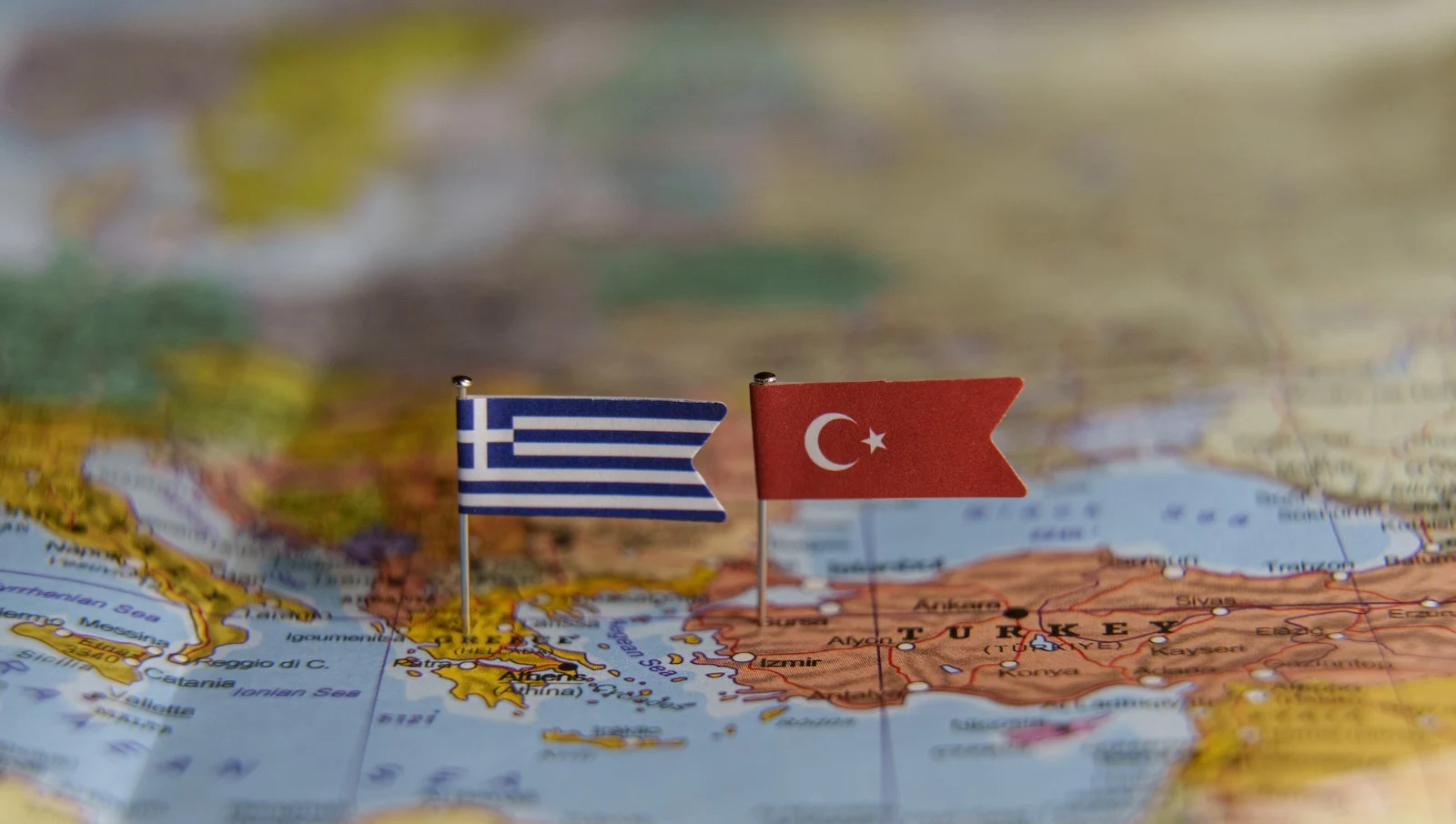
Athens and Ankara are increasingly at loggerheads. Various dossiers are recorded to divide them. The possible developments of the escalation
On Sunday, Turkey kicked off Sea Wolf: a powerful military exercise that will last until September 25 and which will cover three areas: the Eastern Mediterranean, the Aegean Sea and the Black Sea. According to the Daily Sabah14,000 soldiers, 100 ships and 50 aircraft will be involved. Above all, Greece is watching these maneuvers with concern and, in recent months, has seen tension grow again in its relations with Turkey.
In August, two F-16 fighters from Athens intercepted a Turkish drone that had violated the airspace of the Hellenic Republic. A few days earlier, Ankara’s Defense Ministry had criticized Athens’ plan to create a drone base in Rhodes, arguing that such a scenario “would violate the demilitarized status of the island and damage peace and stability in the Aegean, as well as good neighborly relations.”
Also last month, the Greek government also criticized Turkey for establishing two marine parks in the Mediterranean and Aegean. “To the extent that the parks extend over areas of the high seas, their establishment is illegal, since no State has the right, according to the law of the sea, to unilaterally establish marine protected areas in areas beyond national jurisdiction,” the Athens Foreign Ministry had thundered. On the other hand, Turkey had in turn criticized Greece, in 2025, for having created a park between the islands of Milos and Levita.
“We do not want Greece to become a tool in the hands of those who wish to destabilize the region and plunge it into chaos,” Turkish Foreign Minister Hakan Fidan said last week. “Of course, we have serious concerns about the militarization of some islands. They know this and we have communicated this to them,” he added. “The militarization of islands that enjoy demilitarized status poses a threat to us,” he continued.
Also increasing the tension between Athens and Ankara is the fact that, a few weeks ago, Greece signed an agreement with Israel to build an air defense system worth over three billion euros. Let’s not forget that relations between Turkey and the Jewish state are now frosty. In fact, Jerusalem sees Ankara as one of its main rivals at a regional level. By playing tailgate with Israel, Greece therefore aims to increase its deterrence capacity against Turkey. It is also in this sense that, last week, Athens and Jerusalem carried out joint exercises in the Eastern Mediterranean. In short, the situation in the area is becoming increasingly tense, while NATO – of which both Greece and Turkey are members – risks a significant internal fracture.