In Claudio and Nino Minoliti’s book “The Longest Jump” one of the most powerful stories of the twentieth century: a duel that turns into complicity against the backdrop of the Second World War
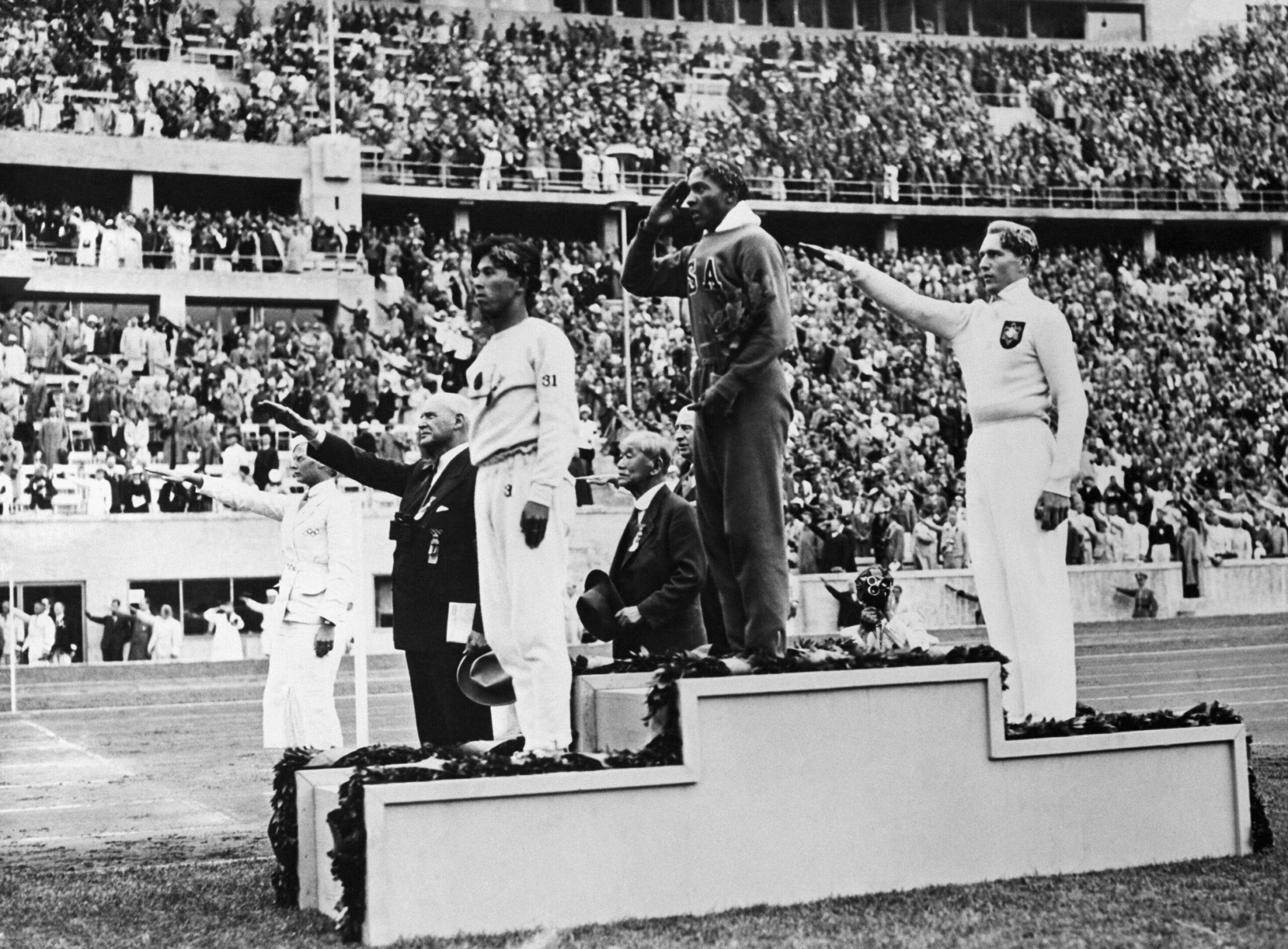
Two champions on the athletics track, a dictator in the stands, in the background the Second World War and its horrors, Berlin, General Patton and the Olympics. In 270 pages Claudio and Nino Minoliti they tell a compelling story made of humanity and an unthinkable friendship, but also of pain and with unpublished details of our history. “The longest leap. Jesse Owens and Luz Long, the black and the Aryan united from Berlin to Sicily” published by Mimesis (22 euro cover price) tells how the friendship was born between two champions who had nothing in common, who competed on the long jump track at the Berlin Olympics and who from there built a solid friendship. We are at the Olympiastadion, Jesse Owens and Luz Long are lying together on the grass, immortalized by Heinrich Hoffmann, Hitler’s personal photographer who would then follow Long until 14 July 1943, at Biscari airport, where the German athlete would die at the age of thirty. A few kilometers, moreover, from the site of the massacre of 73 Italian prisoners carried out by General Patton’s men.
The places and the people
The authors start from the two champions, also denying the urban legend of the failed handshake between Owens and Hitler after the American’s victory, and arrive as far as Sicily, in the cemetery of Motta Sant’Anastasia where Lang was buried after his death. On the Berlin track Long gives advice to Owens and the American wins the gold thanks to the German’s tips. A friendship that will continue even after Long’s death thanks to his children and relatives. And meanwhile the authors tell us how Sicily experienced the days of the American invasion, the cruelty of General Patton and also a possible mafia connection.