Sales recovering, new portable players and collectible box sets: why the compact disc is regaining space and the public
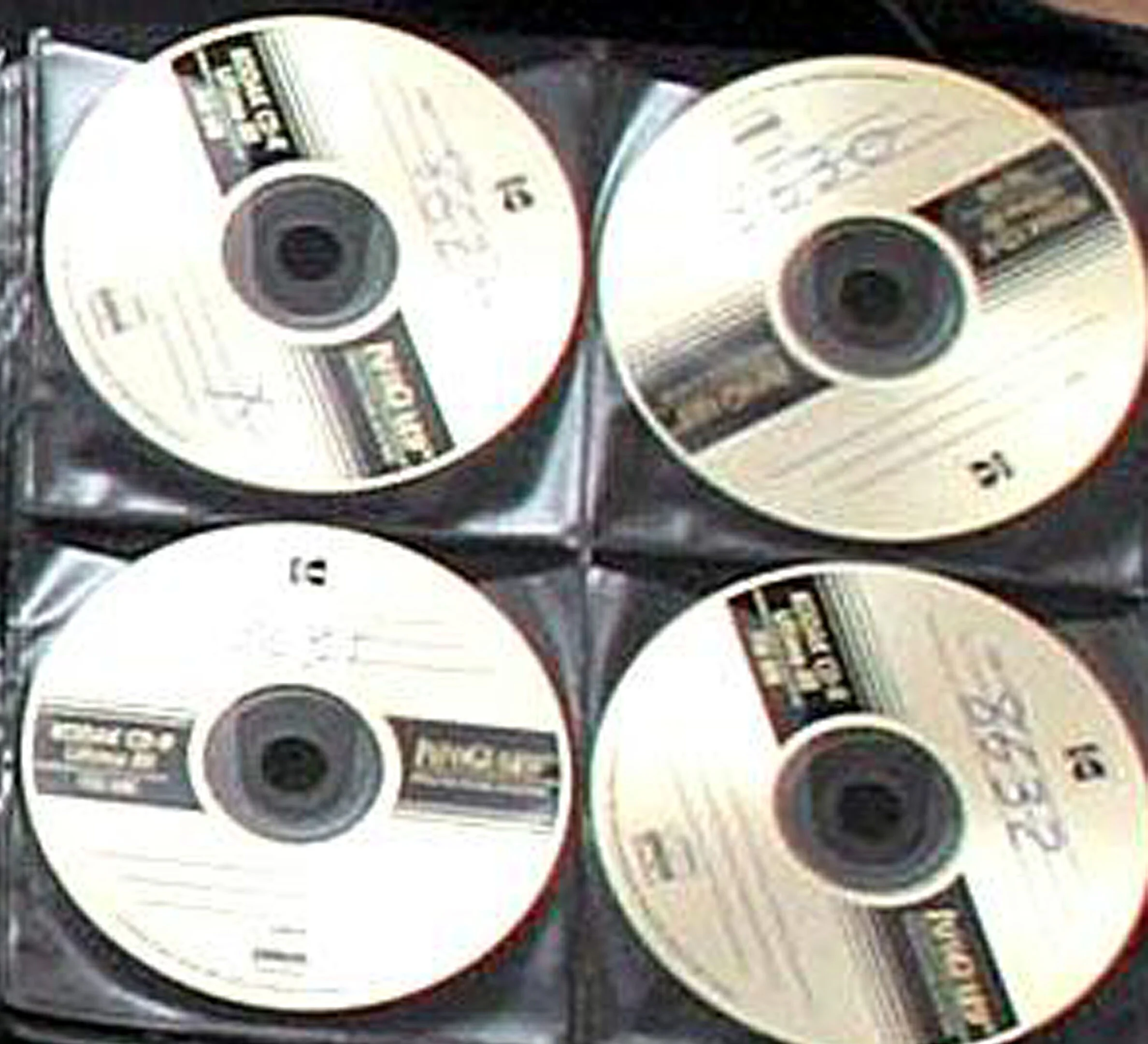
The CD had stopped being modern long before it became ancient. For this reason in recent years it has floated in no man’s land where objects end up too recent to deserve nostalgia and too cumbersome to survive the wave of liquid music. The shelves were emptied, computers lost their players, cars too, vinyl took the role of the great seducer. The compact disc was left with cracked cases and its reputation as a passing technology. Today, against all odds, that little mirror returns to reflect something about us: the desire to give music a place, a weight, a border. A record to choose, a booklet to browse, a player to leave in sight. In the society of unlimited access, even a plastic case can become a declaration of independence.
Developed by Philips and Sony, the CD debuted in stores in Japan on October 1, 1982; It arrived in Europe in 1983. At the presentation of the new technology in Salzburg on 15 April 1981, the legendary conductor Herbert von Karajan greeted it thus: «It is a technological progress comparable to the transition from gas lamps to electric light». Forty years later, the CD, born as a symbol of the digital revolution, has become a refuge to defend oneself from the compulsive frenzy of streaming.
It is the data that gives substance to this thesis. According to IFPI (the International Federation of the Phonographic Industry), in 2025 global CD revenues grew by 3.7% after years of inexorable decline. But the most striking fact is yet another: in the United States, in the first half of 2026, CD sales recorded an increase of 16% for a total of 16.3 million copies (the source is Luminate, the most important company in the world for the collection of statistical data on entertainment). In Italy, according to FIMI, the CD business increased by 15.1% in 2025. A growth trend that continues in the current year with a turnover of 11 million euros.
The rebirth of the compact is also showing its effects in large international distribution chains (such as the British John Lewis) which have recorded surges of up to 74% in reader sales. Not only desktop, but also portable. Alongside the historic Discmans (the equivalent of the Walkman, which instead used cassettes) recovered from second-hand stores, brands such as FiiO and Shanling bring the portable player back into the present: rechargeable batteries and, in some versions, Bluetooth to connect wireless headphones and speakers.
The CD player is updated, but brings back some old habits: choosing two or three discs before a trip, checking that they are in the right cases, leafing through the booklet while the first track starts. Anyone who grew up in the 90s and 2000s knows the scene; for a guy used to streaming it can be a discovery. Choosing an album also means deciding to spend time with it. And having a device to listen to it makes it easier to leave your smartphone elsewhere, without turning every song into an opportunity to check something else.
However, the revenge of the CD also passes from the account to the cash register. Dismissed too quickly, the diskette retains a convincing argument for those who want to buy music. A vinyl record, worldwide, costs double or slightly more than a CD. In Great Britain, The Guardian indicates around 35 pounds for a vinyl and 12 for a CD: almost triple.
Then there is the phenomenon of library CDs: on November 6th The Rolling Thunder Revue: The 1976 Live Recordings by Bob Dylan was released: 39 CDs, 381 tracks, of which 371 unreleased, to tell the story of an entire tour in all its facets. I Can’t Give Everything Away (2002–2016) collects David Bowie’s final season, with rarities and concerts. And, finally, Carnaval de Luz, U2’s latest album: the three-CD deluxe version brings together the new album and the Days of Ash and Easter Lily EPs, with a twenty-page booklet. Thus the box set invites you to enter the artist’s laboratory and the music also becomes an editorial work, to be browsed and preserved. Not only that: K-pop also made an important contribution in transforming the compact disc into a collector’s item with multiple versions, photo books, posters, photo cards and idol stickers. In this specific case the CD certifies belonging, even when the songs are listened to online: you buy them to feel part of a community.
However, fan collecting also tells of a broader desire: to choose what to keep, in a time that accustoms us to immediately moving on. CDs, vinyl records, newspapers and paper magazines retain a form, a voice, a place in our lives; the infinite scroll flattens news, songs and advertisements into the same flow and almost nothing has time to become memory. True luxury today is deciding what not to let slide. Giving time to a record, returning to a page, preserving something that continues to speak to us even when it has stopped being new.