Time limits, reports to parents and the prohibition of interactions that simulate “human” ones. OpenAI launches the chatbot designed for teenagers, while voices are growing in the US calling for more rules from AI companies.
There is strong criticism of AI chatbots from more and more sides, criticisms that in the United States are turning into millionaire lawsuits against the risks brought by the use of artificial intelligence for learning and mental health, especially for minors.
It is also and above all keeping this in mind that the latest innovation presented to the general public by OpenAI is explained: ChatGPT for teens.
OpenAI’s new initiative
The new version of CHatGPT, announced yesterday, is intended for users between 13 and 17 years old. It is activated automatically when a child declares to fall within the aforementioned age range or when the OpenAI age prediction system identifies him as a minor.
When in doubt, the chatbot “plays it safe” and diverts to the dedicated experience, without the need to create a new account. The standard version remains for adults.
The launch comes after months of crossfire. The symbolic case is that of Adam Raine, a 16-year-old Californian who committed suicide in April 2025.
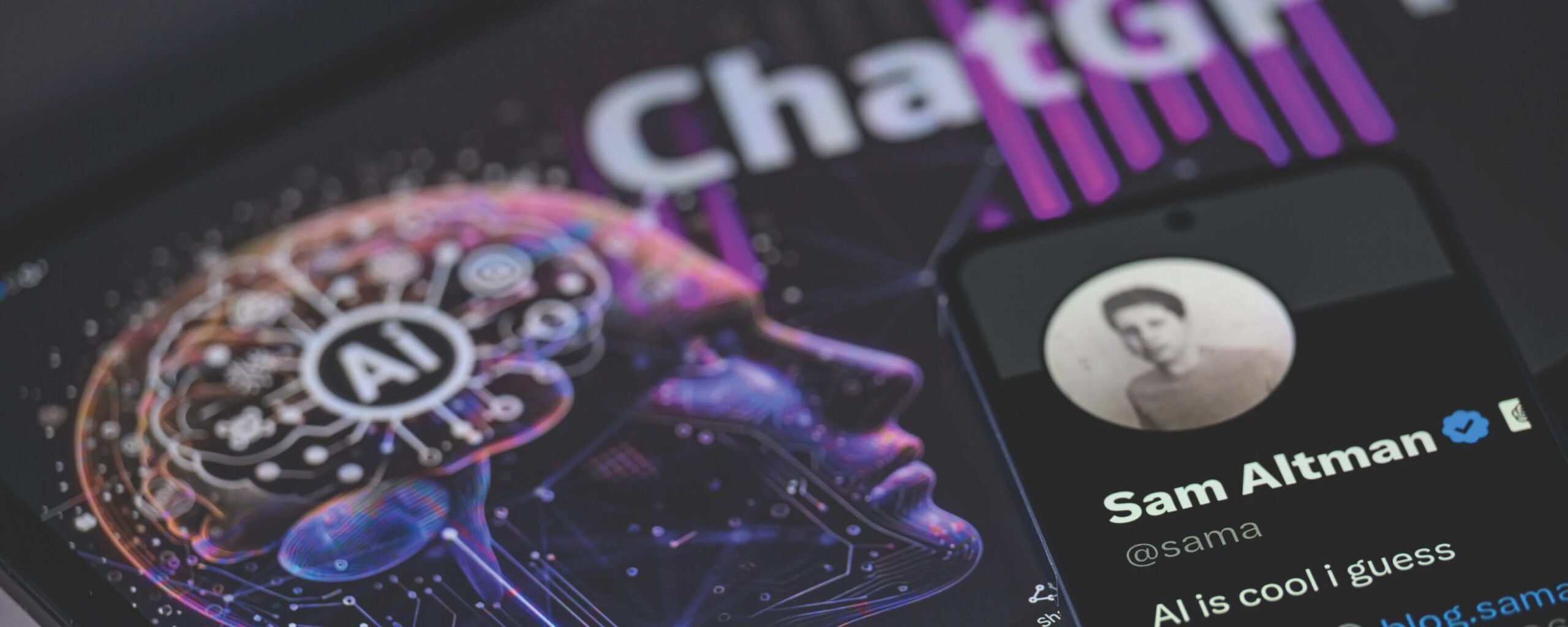
Parents Matt and Maria sued OpenAI and CEO Sam Altman in August 2025, alleging that ChatGPT had “validated their son’s most harmful and self-destructive thoughts” into providing him with “detailed instructions” on how to take his own life. It is the first “wrongful death” lawsuit against the San Francisco company, but not the only one.
The features of “ChatGPT for teens”
ChatGPT for teens introduces restrictions on the most sensitive topics. The chatbot refuses to discuss self-harm, violence, eating disorders and romantic or sexual content, and instead directs you towards specialized help lines.
To avoid compulsive use, after 90 minutes of conversation in any three-hour window a reminder appears asking you to switch off. Parents connected to the account are also given the opportunity to set “quiet hours”, time windows in which the chatbot is completely obscured.
Another feature of “ChatGPT for teens” is the Study mode, which can be activated by default by parents. Instead of handing over the answer and doing the homework for the human, the AI asks guiding questions, walks the young person step by step and checks for understanding.
If he suspects that the boy wants to have an essay written or bypass homework, he reports it.
On the anthropomorphism front, another major criticism leveled at contemporary chatbots, the voice mode is among the functions that can be deactivated to reduce the risk that the AI seems like a person, and the model is prohibited from faking feelings, consciousness or presenting itself as human.
Parents who connect their account receive safety notifications in situations of acute risk (self-harm, violence, eating disorders), expanded in July 2026 also to bans for violent activity, but always filtered by human moderators and without any direct access to the chat texts.
Regulatory pressures and diffusion among young people
OpenAI’s move comes as the company is under pressure on multiple fronts. The Federal Trade Commission opened an investigation into “companion” chatbots and their impact on children and adolescents in September 2025, requesting documents from OpenAI and other companies.
Several proposals have been introduced in Congress, including the CHATBOT Act (S.4407, bipartisan), Senator Markey’s Youth AI Privacy Act (March 2026), and a bill by Representatives Foushee and Casar (July 2026).
Some states have already taken action, California approved SB 243 in October 2025, the first US law on “companion” chatbots, in force since January 1, 2026, which imposes security protocols and gives families the right to take legal action against non-compliant developers.
To explain the urgency there is also a Pew Research data from the end of 2025: almost two thirds (64%) of American teenagers use AI chatbots, and about one in three does so every day.
For OpenAI, nine out of ten young users turn to ChatGPT for educational purposes and, to be more mischievous, to get homework done. Hence the idea of a separate experience, a middle ground between prohibition and unfiltered access.