The month dedicated to prevention of colorectal cancer draws attention to one of the most widespread oncological pathologies. Information, early diagnosis and participation in programs screening they represent fundamental tools to reduce the impact of this disease.
In Italy there are approximately 49 thousand new cases every year. Colorectal cancer is today the second most frequent and also the second cause of cancer death in the country. Numbers that explain why prevention remains a priority for the healthcare system and the scientific community.
The increase in cases among those under 50
In recent years, specialists have been observing a phenomenon that deserves particular attention: the increase in cases among younger people.
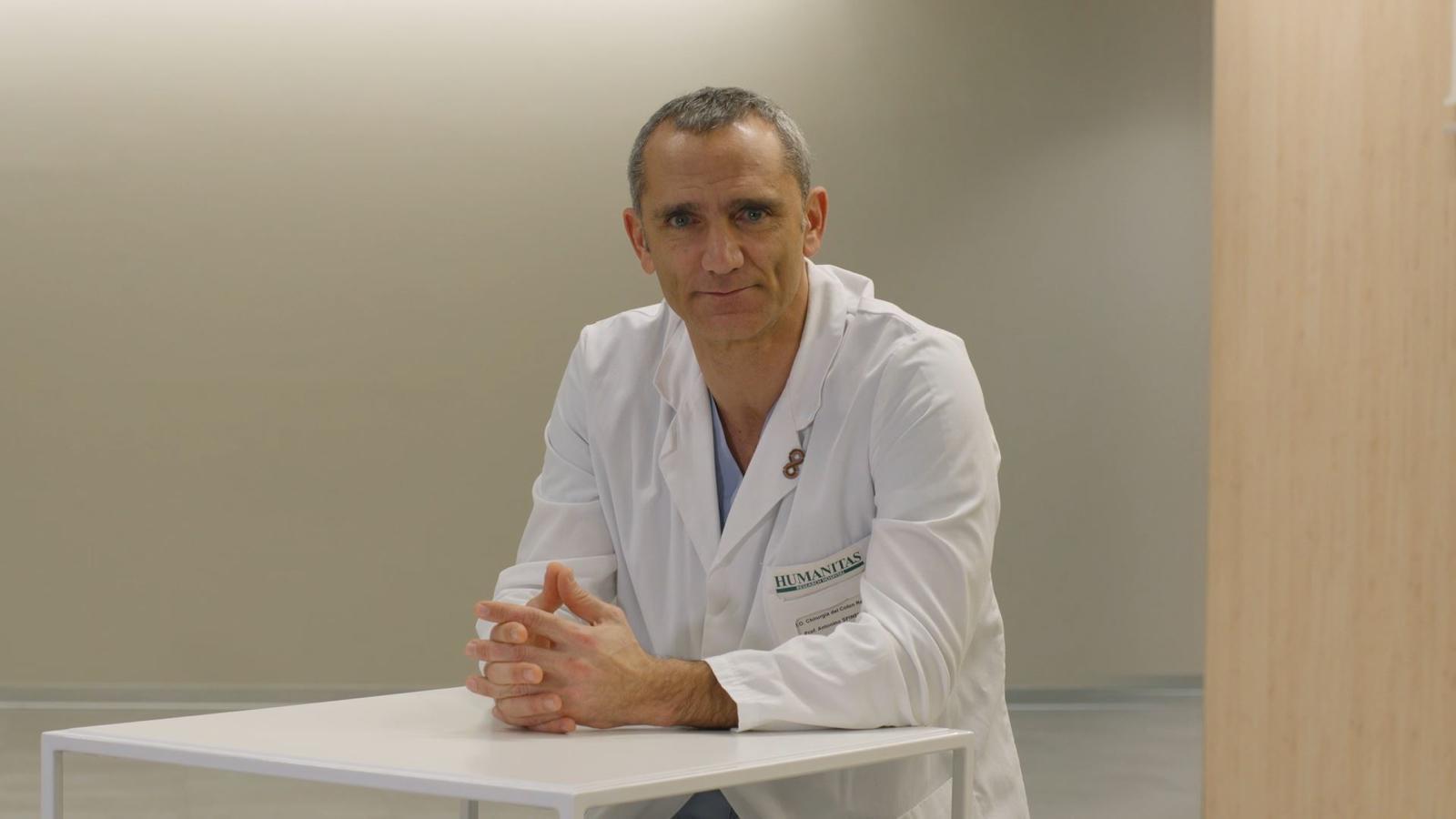
«Many Western countries have recorded an increase in incidence in the younger population» he explains Antonino Spinellihead of colon and rectal surgery at the IRCCS Humanitas Clinical Institute and professor of Humanitas University. «This does not automatically mean that cancer affects younger people more than older people. In the older population, cases are decreasing and are being treated ever earlier thanks to screening programs, while among young people the incidence is growing.”
A study conducted on over two thousand patients operated on for colorectal cancer highlighted that when the disease appears before the age of 50 it can be associated with a greater risk of progression and recurrencesuggesting the possible presence of more aggressive biological characteristics compared to tumors diagnosed at an older age.
Lifestyles and risk factors
The precise causes of this phenomenon are still being studied. Among the elements that could contribute to the increase in cases among younger people are indicated unbalanced lifestylesincorrect nutrition, obesity, smoke, sedentary lifestyle and possible environmental factors, in addition to family predisposition.
Understanding the weight of these factors is one of the main challenges of scientific research today.
Signs not to be underestimated
Another problem concerns the fact that in younger patients some symptoms are often underestimatedwith the risk of arriving at the diagnosis late.
«Another aspect to consider is that the symptoms in young people are underestimated, with diagnostic delays that make the treatment process more complex» observes Spinelli. “This is why it is essential to increase awareness among the population: alteration of normal intestinal function, anemia, blood loss are some of the alarm bells that should not be ignored.”
Research to understand the disease
Understand the causes of the increase in colorectal cancers among younger people, identify new diagnostic markers and develop increasingly targeted therapies represent some of the most important challenges facing the scientific community today.
The most advanced studies analyze the clinical and biological characteristics of the disease through large patient databaseslarge-scale data analytics, and technology tools such as artificial intelligencewith the aim of identifying increasingly early and personalized diagnosis strategies.
Informing yourself about health in the age of artificial intelligence
Alongside research, there is also a growing need to help citizens navigate the many information available online on health.
For this reason, some specialists have launched dissemination initiatives that compare the responses generated byartificial intelligence with the clinical experience of doctors. The objective is to verify the information, clarify any simplifications and answer patients’ most frequently asked questions.
Prevention and research for the future
The challenge against colorectal cancer involves several elements: prevention, screening, information and scientific research.
Supporting research means transforming scientific discoveries into new diagnostic and therapeutic solutions and contributing to improving people’s quality and life expectancy. At the same time, spreading the culture of prevention remains one of the most effective tools for reducing the impact of this disease.