From the robbery in the Crédit Agricole branch to the legal issue: responsibility of banks, insurance limits and evidence required to obtain compensation for stolen goods
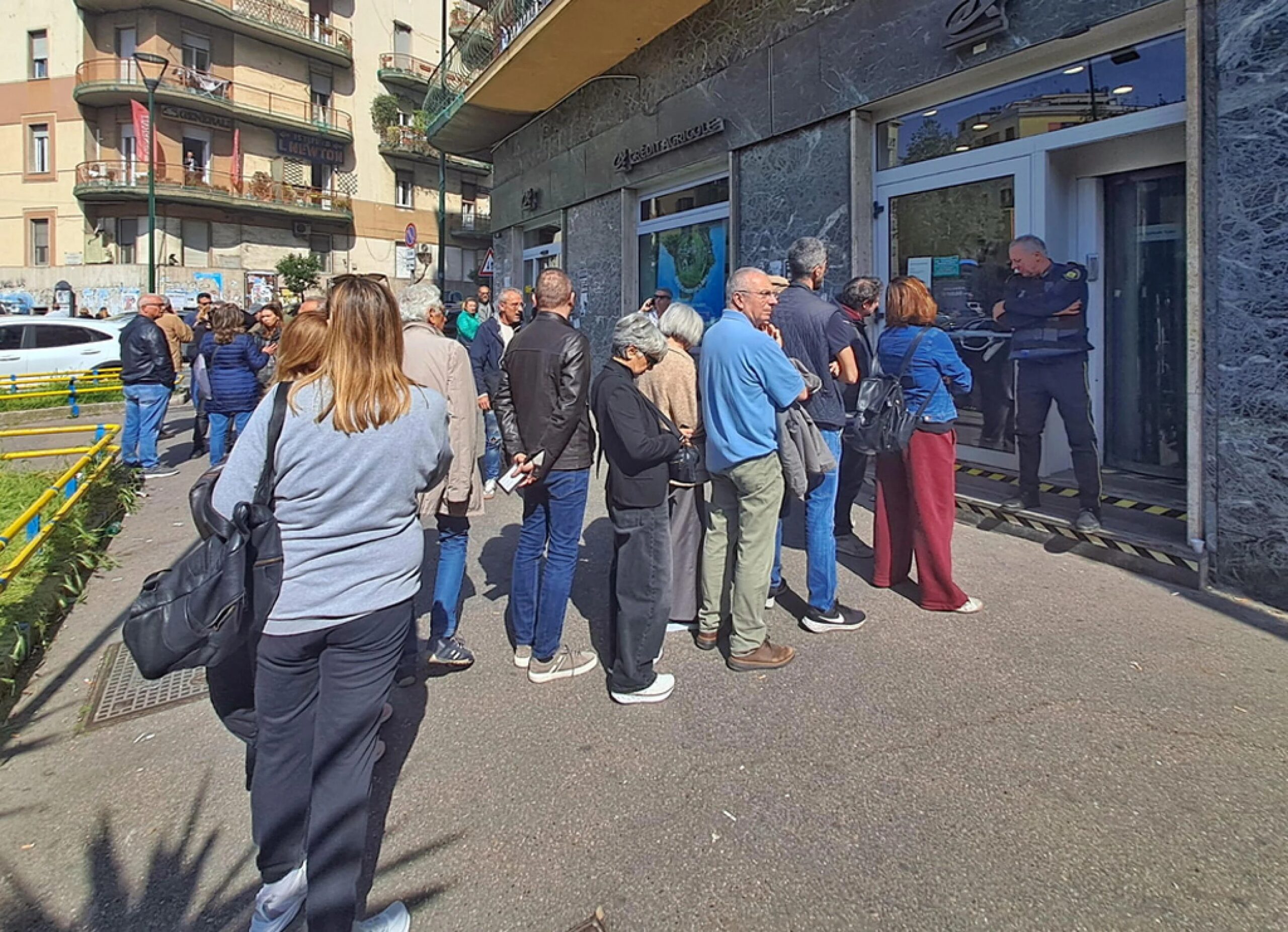
A movie robbery in Naples and the question now is: what really happens to the goods and valuables kept in safes when something goes wrong? The attack occurred in broad daylight in the Crédit Agricole branch in Piazza Medaglie d’Oro, Vomero. At least three robbers (perhaps double) kidnapped 25 people, including customers and employees, and then disappeared through an underground tunnel, after having broken into dozens, perhaps hundreds, of safes. The loot? Still to be quantified, but we are talking about over a million euros. Unlike a “traditional” robbery, here the value depends on what the customers had decided to keep and above all on how much they will be able to demonstrate it. And it is precisely here that the real economic and legal chapter of the story opens.
Safe deposit boxes: how they work and why the value is “invisible”
Safe deposit boxes are one of the most confidential services in the banking system. The customer deposits assets (money, jewellery, documents) in a protected vault, accessible only with a double key. The bank does not know the contents. This model guarantees privacy, but creates a paradox: when a theft occurs, no one except the customer knows what was actually stolen. In fact, when signing the contract, the customer must indicate a total value of the box. The cost of the service is based on this figure; the insurance coverage and the limits of any compensation. The objects are not declared, but their estimated value. And this detail becomes decisive after a robbery.
Safe deposit theft: when the bank is responsible (and when not)
The question everyone is asking is simple: who pays? Italian law (article 1839 of the Civil Code and now consolidated jurisprudence) is quite clear: the bank is responsible for the safety of the safety deposit boxes. Not only of the physical structure, but of the entire protection system: vault, alarms, controls, video surveillance, internal procedures. And theft is not automatically considered an unforeseeable event. The Court of Cassation has reiterated several times that the risk of robbery is intrinsic to banking activity. This means that it is up to the bank to demonstrate that it has done everything possible to avoid it. It’s not enough to say “they were very good”. The institute can avoid compensation only in cases of truly unforeseeable and unavoidable events even by adopting all the necessary safety measures. But it is a very difficult threshold to prove.
Ceilings, insurance and limits: how much can you really recover
And then there is the issue of limits. Safety deposit box contracts provide a maximum compensation limit, i.e. a maximum sum reimbursable to the customer in the event of theft. So even if you have assets worth 1 million in a safe but the contract limit is 300 thousand euros, the customer’s compensation will only be the agreed amount. Inserting objects of value exceeding the maximum limit therefore involves a risk borne by the customer. Furthermore, it must be taken into consideration that the value at the time of the contract is declared by the customer who pays insurance and taxes on it. If you declare less than what is actually in the safe, after a theft it is difficult to say that more was stolen than what was declared to be there. The maximum does not count only if serious liability of the bank is demonstrated. Type? Security breaches, inadequate controls or poor procedures. In this case the clauses that limit the compensation to the maximum amount can be declared null and void and the customer has the right to full reimbursement of the damage.
How to obtain compensation: trials, times and difficulties
How does the compensation machine work after the robbery? The first step is technical: the bank must identify which boxes have been hacked. Then the customers are called in to demonstrate what was inside. Since the contents are secret, the customer must try the content. Concrete elements are needed: photographs of the goods; invoices or certificates; appraisals; testimonials; any indication of financial availability. The biggest problem is with cash: if not declared or documented, it is extremely difficult to recover. A long and uncertain phase now begins for the victims of Naples. The contents of the cassettes must be reconstructed and documented. The complaint must be detailed.
Zero risk doesn’t even exist for safes
Safe deposit boxes offer higher levels of protection than home safes and very high confidentiality. But the case of Naples demonstrates that zero risk does not exist. The message is clear. If you have safes, you need to know the maximum limit, update the declared value and keep evidence of the assets stored. It’s not bureaucracy, but protection, because when the unforeseeable happens, the robbery, it’s not just what has been stolen that counts. What counts is what you are able to demonstrate.