From Pesade to Tamburins, five brands tell the story of the rise of Korean perfumery between intimate essences, design and experimentation.
For a long time, Korean perfume remained on the fringes of the K-beauty phenomenon. While essences, cushion foundations and sheet masks conquered the world, fragrance continued to be perceived as a predominantly French, Italian or Middle Eastern territory. Now the balance is changing.
From 11 to 13 September, the twenty-fourth edition of Pitti Fragranze brings over 260 brands to the Stazione Leopolda in Florence, 75 percent international, and dedicates a particular space to South Korean creativity with the Code Korea project, created together with the Korea Creative Content Agency.
Five Korean perfume brands to know
Pesade
Present among the exhibitors at Pitti Fragranze, the South Korean brand builds its collections as a succession of chapters, each linked to an atmosphere, an encounter or an emotional movement. Not an olfactory pyramid to decipher, therefore, but a story to enter.
Among the most representative fragrances, Mid Mountain combines the freshness of lemon and the delicacy of rose with lily of the valley, orchid, patchouli, cedar, amber and musk. The result evokes a rarefied and silent nature, more mental than realistic. The New Error And In Hindsight instead they show the more contemporary side of the brand, which also entrusts the titles with the task of suggesting a narrative. The essential bottles and images suspended between fashion and art complete an aesthetic that seems conceived to speak to the international public without giving up its origins.
BornToStandOut
If Pesade represents the contemplative face of Korean perfumery, BornToStandOut embodies its most transgressive one. Founded in Seoul in 2022 by former financial analyst Jun Lim, the brand was born as a reaction to social expectations and conformity. The name already declares it, but fragrances like Dirty Rice, Drunk Lovers, Fig Porn And Naked Laundry.
Even the packaging becomes a manifesto. The white bottles recall Joseon dynasty porcelain, while the red writing introduces an element of disruption: in Korean culture, writing a person’s name in red is traditionally considered a bad omen. The iconic fragrance remains Dirty Ricebuilt around the soft smell of freshly cooked rice, combined with bergamot, almond, milk, woods and musks. Familiar and sensual, it transforms one of the most everyday foods of Asian culture into a skin scent with a subtle erotic charge.
Nonfiction
Nonfiction was born in 2019 from the intuition of Haeyoung Cha, coming from the world of art and fashion. His idea is to use perfume to find a moment of contact with oneself, transforming ordinary gestures such as washing one’s hands, taking a bath or applying a cream on the body into small rituals of presence.
The fragrances move between creamy woods, incense, flowers and musks, with evocative names such as Gentle Night, Santal Cream, Gaiac Flower, Long Autumn And For Rest. Everything, from the packaging to the boutiques, communicates a quiet and deeply cared for luxury. In 2026 Nonfiction opened its first US store on the Lower East Side of New York, confirming its desire to go beyond the definition of a simple K-beauty brand and become a true international lifestyle maison.
Tamburins
It is probably the most recognizable brand on the Korean scene. Born in the creative universe of Gentle Monster, Tamburins applies to perfumery the same ability to transform retail into an experience that has made the eyewear brand famous. His boutiques in Seoul look like art installations, populated by monumental sculptures, mechanical animals and surreal environments; campaigns featuring Blackpink’s Jennie and Stray Kids’ Felix then amplified its global resonance.
The fragrances follow the same visual and atmospheric logic. Chamoone of the symbolic perfumes, combines chamomile, clary sage and woods; Pumkini interprets the pumpkin in a milky and surprising way; Late Autumn instead he works on the idea of a humid, wooded landscape. Tamburins doesn’t just sell an essence, but access to an imagination in which fashion, contemporary art and pop culture merge.
Granhand
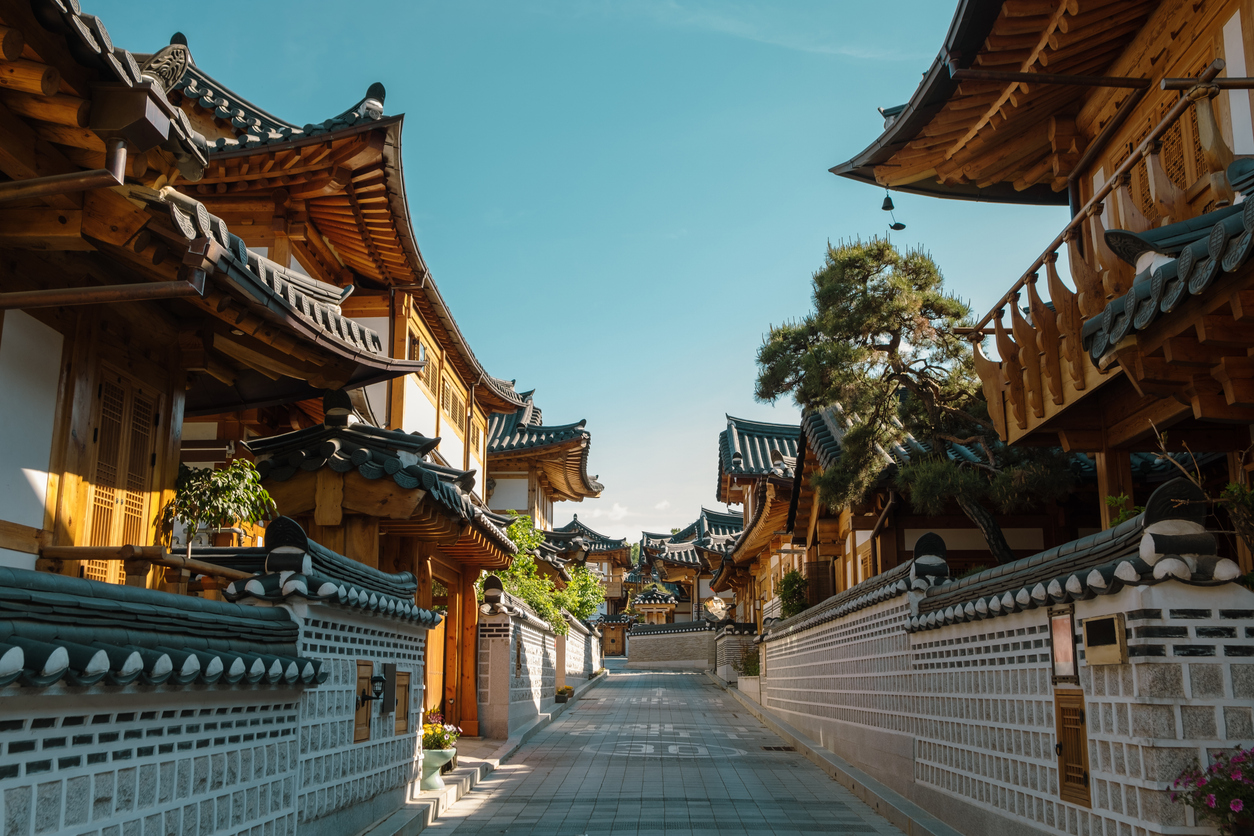
Before K-fragrance became an international phenomenon, Granhand had already begun to build an accessible, everyday perfume culture in Seoul. Founded in 2014, the brand is known for its small boutiques located in city neighborhoods, often hidden along residential alleys or inside traditional buildings. Entering it means discovering the perfume not through a glossy image, but through a slow and almost domestic experience.
The most characteristic product is the Multi Perfumea spray to be used on the body, on fabrics or in environments. Susie Salmonamong the most loved compositions, mixes lily of the valley, lemon, peach, plum and apple with a base of sandalwood and white musk, until it becomes a clean and comfortable presence on the skin. Granhand explains well one of the most authentic qualities of Korean perfumery: the ability to bring perfume into everyday life, without relegating it to special occasions only.