Saved by Norwegian fishermen, Pietro Querini discovered stockfish and brought it to Venice, where it became the cod of the Venetian tradition
There is an unjustly forgotten character in the history of Italian gastronomy, to which the city of Venice owes much of its culinary heritage. Let’s talk about Pietro Querini: merchant, navigator, Senator of the Republic of Venice in the 15th century, he was the one who brought the stockfish that we enjoy today on the shores of the Adriatic Sea, from Norway to the lagoon city.
The shipwreck that changed history
Sometimes great discoveries arise from a (missed) catastrophe. This is the case of stockfish, which today we call cod, which arrived in Italy thanks to a shipwreck in the freezing North Sea. It was April 25, 1431 when Pietro Querini he set sail from Candia with a precious cargo: 800 barrels of Malvasia, spices, cotton and wax. Destination Flanders. But fate had other plans.
After passing Cape Finisterre, the ship was surprised by violent storms that pushed it off the coast of Ireland. The rudder broke, the mast collapsed, and for weeks the crew drifted adrift. On December 17, when all hope seemed lost, they decided to abandon the wreck. They split between two boats: a lifeboat and a larger launch into which Querini boarded. Nothing more was heard of the lifeboat.
Eleven days in the ice
The launch wandered for almost a month in the ocean. When he finally landed on January 14, 1432, only sixteen men were still alive. They were located in Sandøy, near the island of Røst, in the Norwegian archipelago of Lofoteninside the Arctic Circle. For eleven days they survived on the coast by eating shellfish and lighting fires to avoid freezing to death, until local fishermen spotted them and took them to safety.
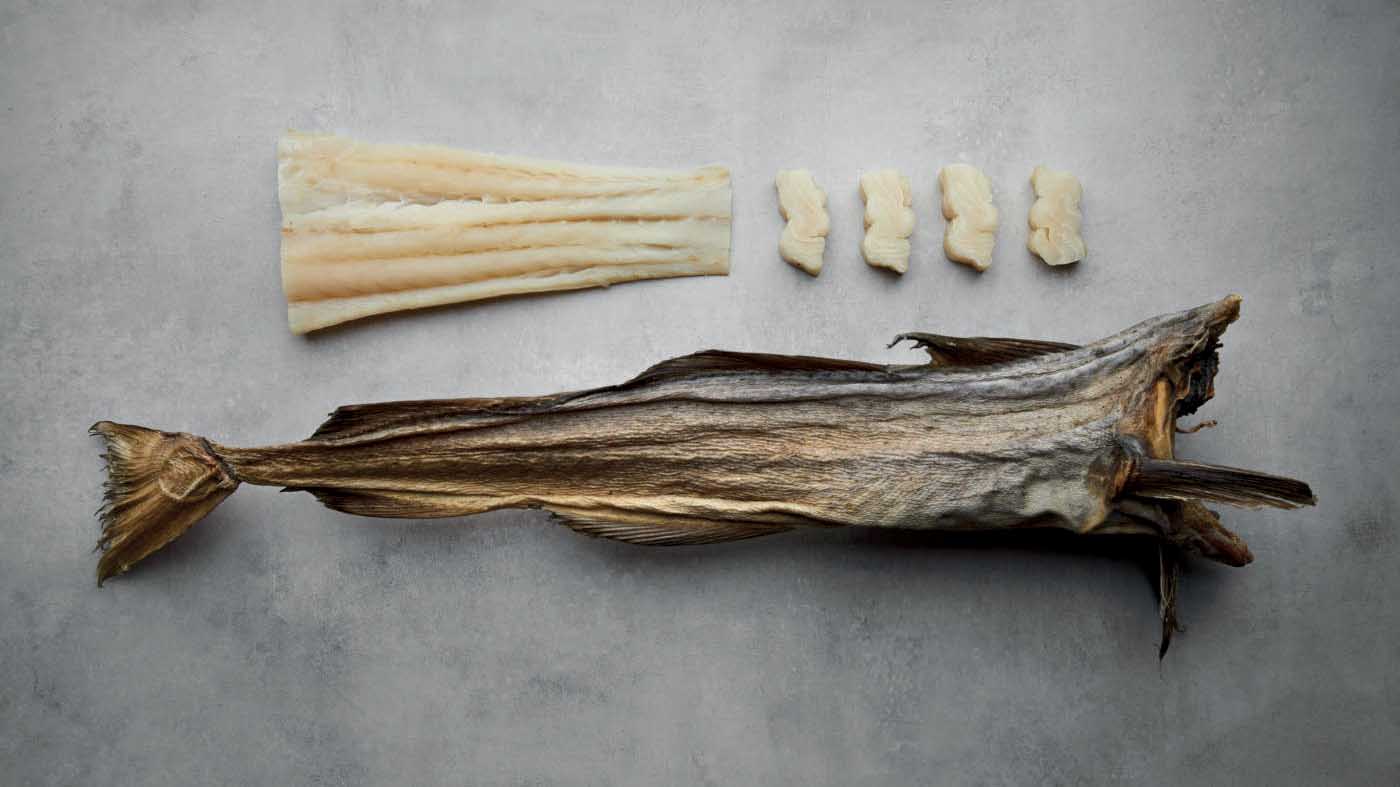
The Norwegian hospitality was extraordinary. For four months Querini and his companions lived in fishermen’s houses, sharing their daily lives. It was then that the Venetian merchant discovered something unexpected: an ancient method for preserving cod. The Norwegians left it to dry in the freezing air, transforming it into a light, nutritious food capable of lasting for months without deteriorating.
The great return
On 15 May 1432 Querini set off again towards the south with sixty dried stockfish. In Bergen he sold them to obtain the money necessary for the return journey. He passed through London and in October of the same year he finally entered Venice, after an eighteen-month odyssey.
What he brought with him was not just the memory of an extraordinary adventure, but a business idea destined to transform Italian cuisine. Stockfish was an immediate success: tasty, cheap and above all perfect for the long periods of Lent, when the Church prohibited the consumption of meat.
In Veneto they called it baccalàand over time it became the protagonist of recipes that are still handed down from generation to generation. A discovery born by chance, from a shipwreck and the generosity of distant fishermen, which still links Italian tables to the Norwegian fjords.