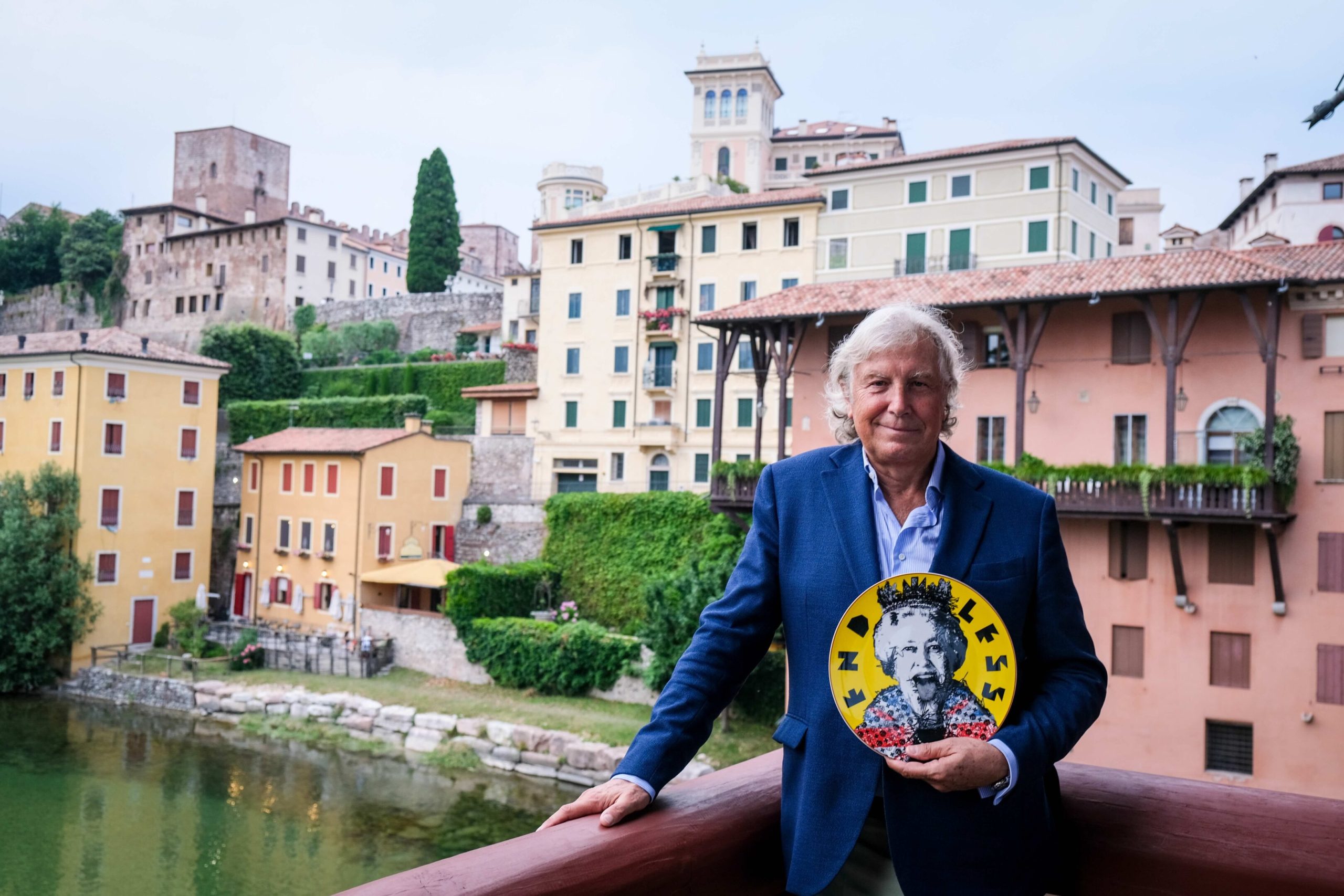
The historic Geminiano Cozzi company, founded in 1765, turns 260. Thus marks a goal of successes in the art and culture of furnishing the table.
Let’s start from two still points, two important dates, 1765 and 2025: that is 260 years of special, very special manufacturing history. That of the Venetian porcelain company, founded by the then twenty -three year old Modenese Geminiano Cozzi. This year the anniversary is celebrated, but also the goal of a tradition kept alive thanks to the commitment of Tonino Tognana, long -term entrepreneur who 30 years ago acquired the brand to relaunch it then in 2014 with that success that only a passionate dedication can give.
Mr. Tognana, how will these 260 years of Geminiano Cozzi history be celebrated?
I like to specify that it is not only about the anniversary of a company, but also the celebration of a Venetian tradition encouraged to the beauty, the culture of food and the art of the table. The history of Geminiano Cozzi is also a piece of history of Venice and its craftsmanship handed down over the centuries. Having said that, the celebrations have already started last year with the launch of two different collections: Burano and Arena who were very successful. I speak above all of the Burano line, characterized by the festoned dish, not round, but slightly rough, which was introduced in the new collections of the Bulgari hotels (in Japan, in Bodrum and Rome) and provided to two hotels in the Belmond chain. This year for the 260 years of the manufacture we launch two other new collections: Rosa Rosae, based on the shape of the Burano line last year, but with subjects of nature such as roses and green butterflies, inspired by a conservative decorator from the Museum of the ceramic of Bassano del Grappa; and theater of dreams, instead taken up by a vase of 1780, preserved in the Cà Rezzonico Museum of Venice, with oriental inspiration declined in palm trees and Chinese houses. The same that the architect Aldo Rossi cited for his installation, presented at the 1980 Biennale. It is for us of large investments.
Can you explain to us, in your case, how does the birth of a porcelain collection happen?
The main effort concerns the development of new lines. This implies creating an adequate inventory, fundamental especially for the Hôtellerie and Catering sector, where the service is very fast and the goods must be ready. The development of a new product requires enormous economic investment. Offering the customer a range of different white shapes on which to apply personalized decorations means having in front of the possibility of choosing from 11 to 13 different; Thinking, studying and having new ready -made collections is a long and expensive process. Once the printing costs and product development costs are incurred, the largest investment is to mobilize goods in stock, ready for delivery. In the high -end Hôtellerie sector it is essential to guarantee constant supplies over the years: the product must remain available and identical for at least 10 seasons from the launch. This guarantees loyalty and continuity of reorders by the customer. Our production is very different from retail fashion, where the collections disappear after one, two years. Indeed, it is exactly the opposite: we must maintain the lines because customer service requires it, and of course it is an advantage to create customer loyalty, especially if a specific tailor-made decoration develops, because in the years to come the client will continue to reorder him.
Do you have famous designers who decide the aesthetic line of the collections?
We have an internal design office coordinated by my wife who has an extraordinary creative flair. We also use external collaborators who develop the decorations that are then declined on the various articles in collaboration with the decal manufacturer.
What is the type of your loyal customers?
The luxury category of hotel groups, ships with few passengers and private customers with high spending power. In addition, we work as a private label for very important fashion brands operating in the interiors of residences or luxury hotels.
Other projects for the anniversary?
We will make an event in Venice, in October together with the Alaimo brothers of Caffè Quadri that turns 250 this year, and since together we will also celebrate our 260 years we have called the “510” event, or the sum of the anniversaries.
Do you have reason to celebrate business successes too?
I would say yes, given that from the turnover point of view, in the niche sector, we have marked 24 percent growth, with further double -digit increase until May. But there are turbulence caused by the US duties that frighten some foreign customers and are slowing down orders. However, even if this year we export about 25 percent, Italy remains our largest market. And despite the crisis in Europe, we have acquired new important hotel chains in the luxury segment. In addition, the Americans continue to come and spend in Italy despite the devaluation of the dollar.
How many are you in the company?
Between direct and indirect we are 35, 40 people. So much is external production, with participations in controlled companies.
Do you have many competitors?
Fortunately there are several: competition pushes to improve.
Note of the editorial staff: In the version of this article published on No. 35 of paper panorama, some luxury brands were mentioned: Dolce and Gabbana, Louis Vuitton, Trussardi, Armani Casa. We apologize to the interested parties for the imprecision.