The analysis of genomic kits sold in municipal pharmacies: costs, benefits and the risk of a new biological discrimination.
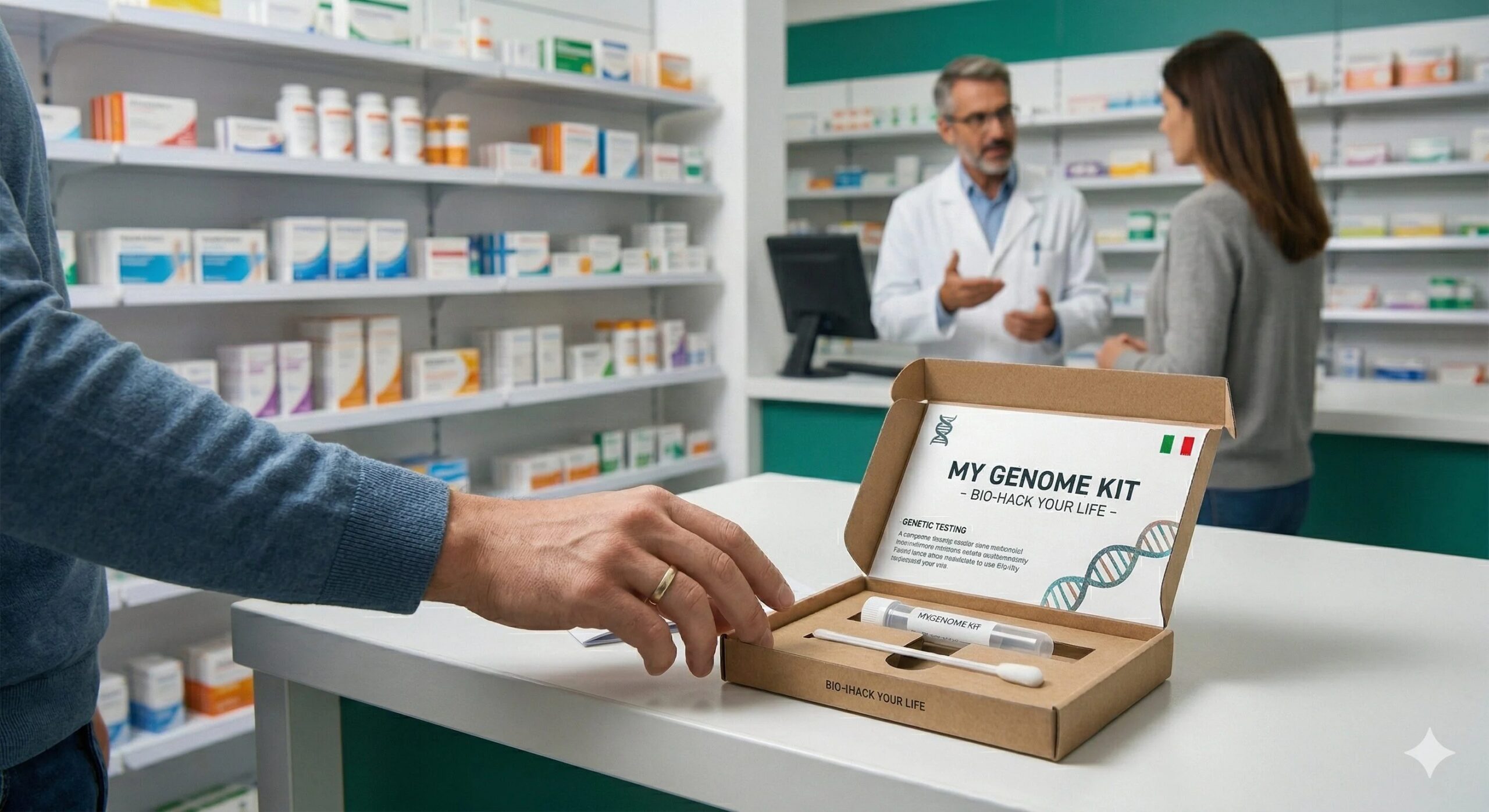
The smell of ethyl alcohol and thermal paper from municipal pharmacies is no longer the same. Between an aspirin and a cough syrup, small recycled cardboard kits are popping up today that promise to decode our latest frontier: DNA. With less than fifty euros, the citizen can access a mapping of genetic polymorphisms which until a decade ago would have required a university department budget and weeks of waiting. Health is slipping, almost silently, from the concept of treatment of the symptom to that of algorithmic optimization of the cell.
This democratization of genomic analysis transforms the counter under the house into a frontier outpost. It is no longer just about prevention, but about a push towards bio-hacking assisted, where constant monitoring of biomarkers becomes a form of active citizenship. As highlighted by a recent report by Nature Medicinethe integration of genomic data into the primary care system can dramatically reduce the incidence of chronic diseases, but it raises profound questions about the management of what the New England Journal of Medicine defines “genetic information anxiety”.
The mirage of biological transparency and the risk of “underclass”
The real risk is that transparency becomes a double-edged sword. While on the one hand rapid access to tests on nutrigenetics and longevity allows you to personalize your lifestyle, on the other hand the specter of a “biological subclass” arises. The magazine Science recently warned that the availability of this data, if not protected by strict legislation, could influence the stipulation of insurance policies or access to certain mortgages in the future, creating discrimination based not on wealth, but on intrinsic risk written in nitrogenous bases.
The transition from the pharmacy as a place of remedy to a hub of bio-enhancement marks the end of an era. The challenge is not only technological or economic, but cultural: understanding whether we are ready to live with the awareness of our biological limits or whether we will desperately try to hack them until we lose the very sense of human fragility. In the end, between one kit and another, the suspicion remains that the only thing that cannot be optimized is the uncertainty of tomorrow.