From the hygienic conditions of the boxes in which they deliver it, to the hidden kitchens in which they cook it. When you order your next dinner, think about it
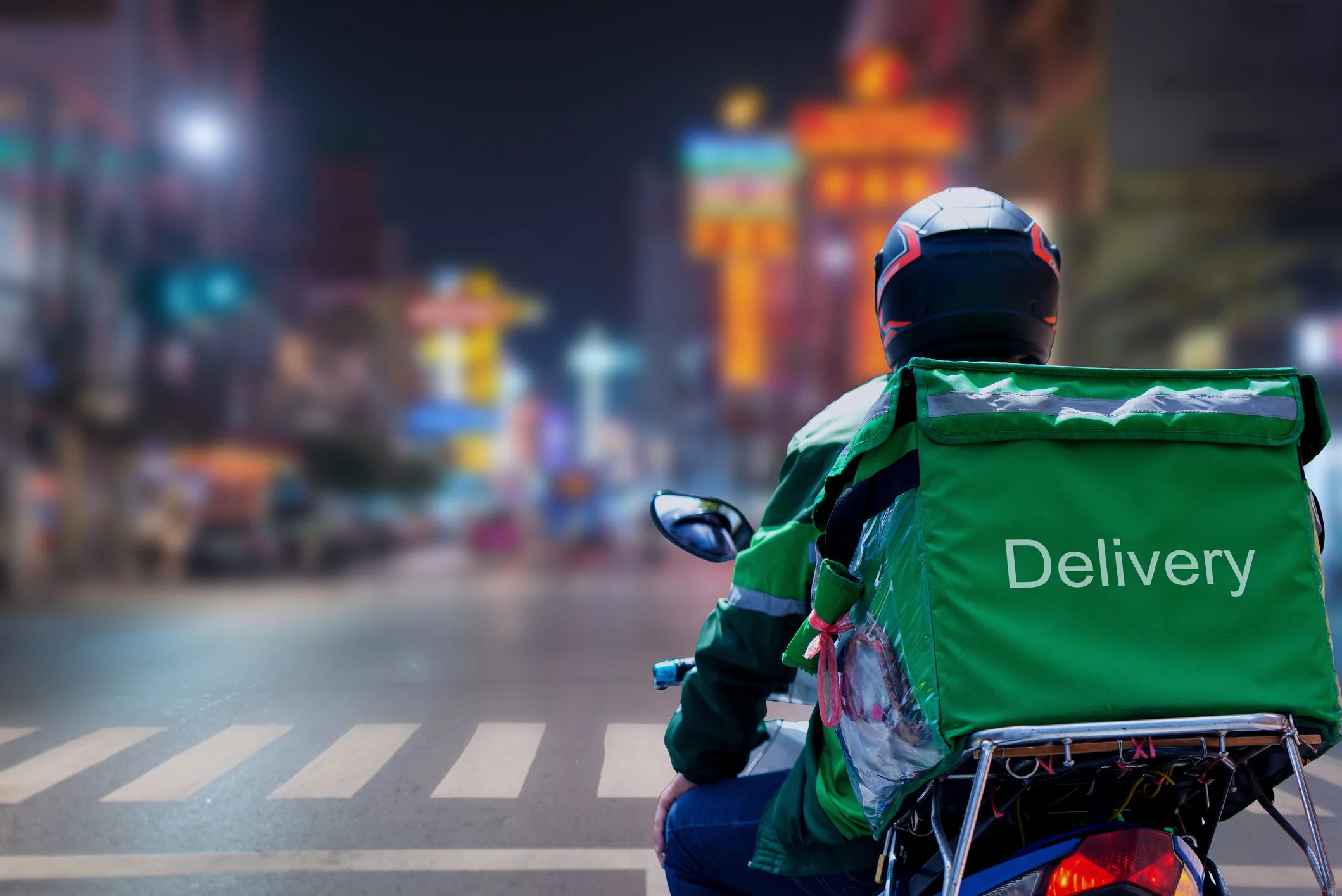
In recent weeks there has been talk, or rather talked about again, about the rider phenomenon, a technological version of exploitation. Yet not everyone knows that the phenomenon of home deliveries has many other problems that are often little debated, but serious. For example, one of the most underestimated issues concerns the boxes that contain the dishes baked by chains: have you ever asked yourself a question or doubt about the hygienic conditions of these colored cubes? I have several. I dealt with the issue in the programs I hosted and included them in the book Moderno Sara Lei, which then gave rise to a monologue that I carry around when I’m not on stage with my friend Mario Giordano. These boxes follow the riders, who do not pay attention to cleanliness, in fact often – and they say so themselves – they are either given to someone who works in a gangmaster or become a container for something else, from clothes to the cat’s kennel.
Moreover, there are no known important controls or reports regarding the presence or absence of germs and bacteria, which obviously are there and travel together with our sandwiches, our pizzas, or other food. In my last volume I had also told about the confessions of some of these riders which ranged from the delivery of all kinds… of comfort (including drugs, of course) to the accompaniment of “souvenirs” stuck here and there. «We also have our chats and we know which customers behave badly towards us, penalizing us with negative ratings for faults that are not ours. And so there is real revenge”, one of them revealed to me. Hence a question: why can the NAS – rightly – carry out a thousand checks on restaurant kitchens but do not do any with respect to these cubes where dozens of dishes travel every day?
And so we come to restaurateurs: some think that they earn a lot with home deliveries. However, this is not the case. Meanwhile, those who work in that world have the whole load of costs and real business risk on their shoulders, then they have a fee to pay to be on the platforms (sometimes they have to have two to withstand the competition) and above all they have the penalty of their counter-performances diluted over time, because while the customer pays for the delivery service immediately, the multinational does not pay the restaurateur with the same speed. But the latter must pay for raw materials immediately, as well as rent, bills and banking services. And he often also has to pay the staff who help him in the kitchen or in the dining room, because in addition to deliveries there are customers. When they are there. Yes, because the covers don’t always add up.
To recap. The restaurateur has fixed costs (staff, rent, bills, shopping), has the maintenance of the kitchen and appliances, has banking and credit card costs, and, as we have often seen, has a subscription with delivery chains. It also has the risk of inspections. On the other hand, the delivery multinationals do not have the fixed costs of the restaurateur, they have workers who after very long negotiations and disputes are only now obtaining some greater contractual guarantees and above all they have in their hands the real business of the sector which is not – as it was at the beginning – the mere delivery service but the mass of data and information regarding our eating habits, profiled down to the millimetre. And it’s information worth its weight in gold. Which serve for a phenomenon that is growing in invisibility, namely the spread of dark kitchens or ghost kitchens. Many are emerging in Milan, Turin and Rome; there is talk of +20 percent in 2025. What are they? They are professional kitchens (they were initially created by taking over the premises and professional know-how of those who did not overcome the pandemic and were trapped by costs that were no longer sustainable) dedicated exclusively to the preparation of dishes intended for home delivery. There are no seats because there are no customers at the table, there aren’t even waiters and the only place that serves is the kitchen. Quick meals intended for offices, homes, hotels. Often, behind the boom in these dark kitchens, there are the delivery multinationals themselves with spin-off companies. Which will soon automate everything, from the preparation of dishes to delivery. Only the profits remain. With all due respect to that great Italian culinary tradition that we are sending to be blessed.