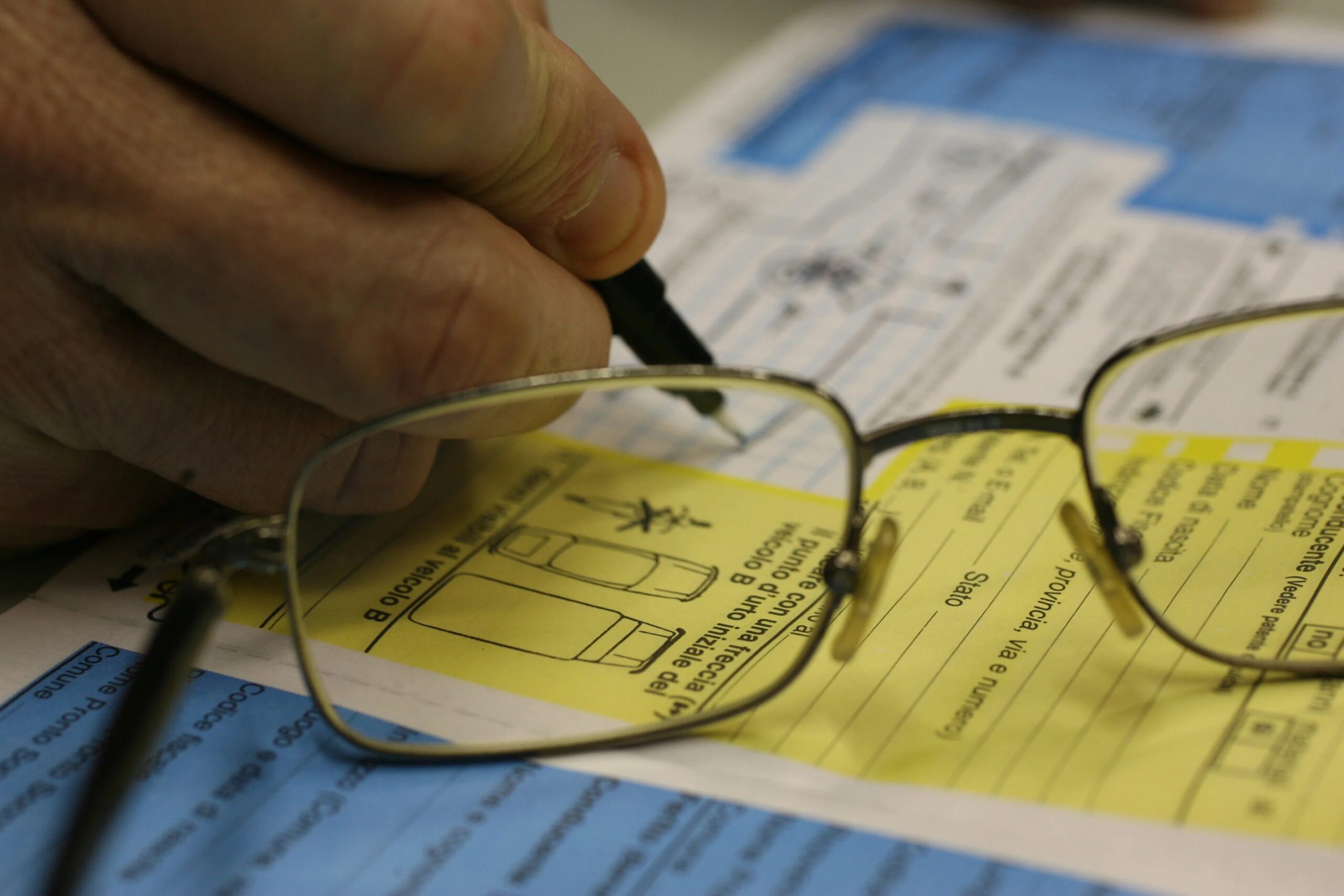
The new tool for resolving disputes between citizens and insurance companies without going to court arrives in Italy. Everything you need to know about times, costs and limits of online appeals. Boom in appeals expected
A “mediator” comes into action between citizens and insurance companies to avoid going to court, when possible. The Insurance Arbitrator officially comes into operation on January 15th. A novelty which, according to the Supervisory Authority’s estimates, could generate a real boom in appeals already in the first months of activity. The aim is to give citizens a quick, simple and low-cost alternative to the court to resolve disputes between policyholders, companies and intermediaries.
What is the Insurance Arbitrator in action in Italy from January 15th
The Insurance Arbitrator (Aas) is the new Italian body for the out-of-court resolution of disputes in the insurance sector. Established under the control of the Supervisory Authority (IVASS), it works alongside the Banking Arbitrator and the Arbitrator for financial disputes, thus completing the system of alternative protection in the main areas of financial services.
The Insurance Arbitrator has an even wider range of action than his “brothers” who are already operational. The pool of interested parties, in fact, does not only concern the policyholder, but extends to the insured, the beneficiary and even the injured person who can take action directly against the company, as happens in Auto TPL cases. This is why we expect a boom in appeals in the coming months. Insurance litigation is widespread, often of medium value and so far discouraged by the costs and time of ordinary justice. But with the entry into action of the Insurance Arbitrator, many elements that currently hold back appeals will disappear and the consumer will gain greater strength.
How the Insurance Arbitrator works: online appeals, quick times and reduced costs
The appeal can be submitted exclusively online, through the dedicated platform, with a symbolic cost of 20 euros. The assistance of a lawyer is not mandatory, although it is possible to seek support from a professional. It is mandatory to have first submitted a written complaint to the company or intermediary and to have waited for the response, or silence, for at least 45 days. Once this step has been passed, the appeal to the Insurance Arbitrator must be submitted within 12 months of the complaint and concern a dispute no older than three years. The Arbitrator’s Board, currently only one in Italy and based in Rome, is made up of five members: three members are appointed by Ivass, while the others come, depending on the case, from consumer associations, professional categories, intermediaries or Ania. Decisions are made exclusively on the basis of the documents presented by the parties, without technical assessments or hearings of witnesses, precisely to guarantee speed and cost containment.
Insurance arbitrator: limits, compensation and value of decisions
The Insurance Arbitrator is not a court and cannot deal with every type of dispute. Large risks, particularly complex cases from a technical point of view and some specific cases are excluded. Value limits are also clearly defined and represent one of the key elements of the new tool. For life policies that provide for the payment of the premium only in the event of death, the maximum limit is set at 300 thousand euros; for other life policies the limit drops to 150 thousand euros. In the non-life classes, the maximum is 25 thousand euros, while for direct compensation, as in the case of the injured party who takes action against his own company in the Motor TPL or health insurance policies, the limit is 2,500 euros.
The decisions of the Insurance Arbitrator are not formally binding. However, refusal by the company entails a reputational sanction that is anything but negligible: the outcome is published on the Arbitrator’s website and on that of the intermediary involved. A sort of deterrent to encourage companies to spontaneously comply with the Arbitrator’s decisions and make consumer protection more concrete.