Revolut research reveals that self-care has become a stable budget item for Italians: 29% plan beauty expenses and 15% are willing to make sacrifices to afford it
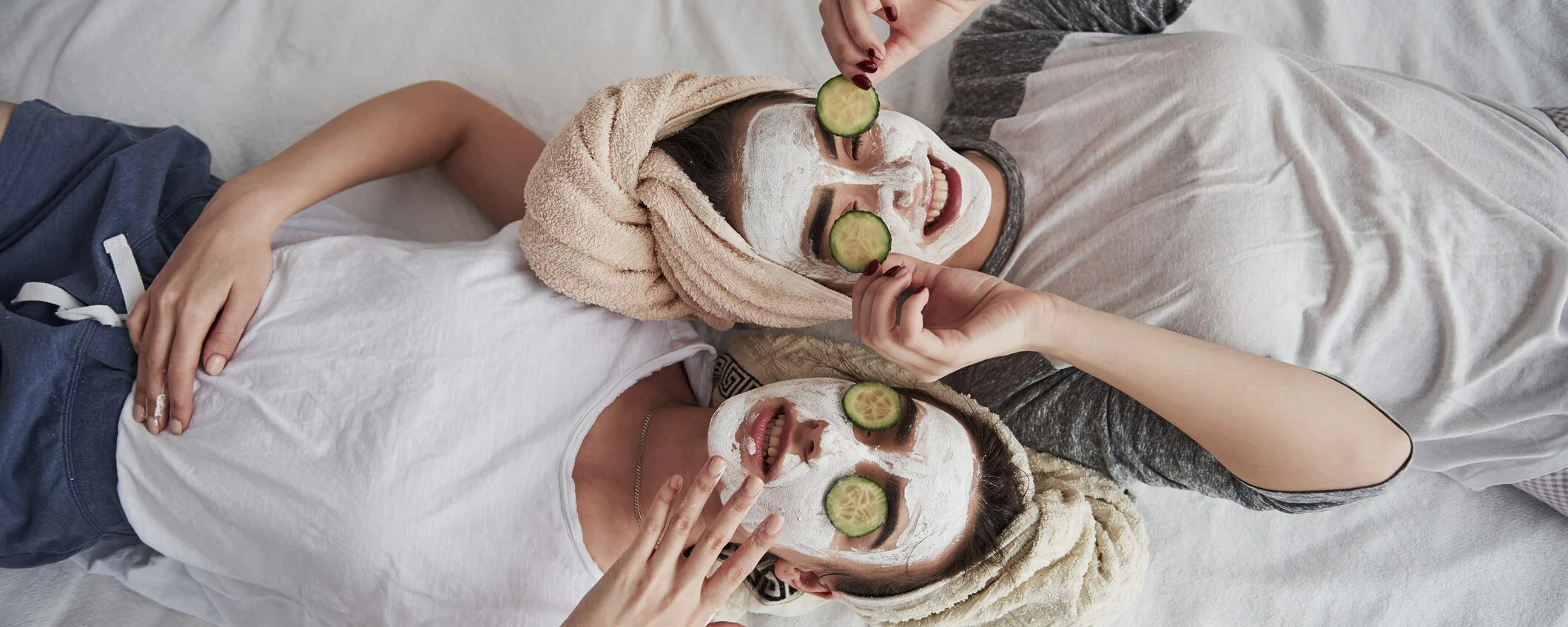
There is one piece of data that explains well how Italians’ relationship with personal well-being is changing: almost one in three plans and sets aside savings for skincare, make-up and self-care. It’s no longer about impulsive purchases or small whims. There beauty enters the family budgetplanned like any other expense item.
This change is photographed by research commissioned by Revolut to the analysis company Dynataconducted on a representative sample of one thousand Italian adults. The picture that emerges is that of an increasingly aware consumer, who integrates self-care into daily financial management.
The theory of the so-called “lipstick effect”according to which in times of economic difficulty people continue to treat themselves to small luxuries such as lipstick, today seems to be transforming into something more structured. Self-care is no longer just a consolatory gesture but a planned personal investment.
The era of the smart beauty shopper
According to the study, 29% of Italians regularly set aside money for beauty and wellness productsa percentage that rises to 34% among women. It is no longer an impulse purchase in front of the shelf of a perfumery, but a reasoned choice that enters into financial planning.
Thus a new figure of consumer is established, the “smart shopper” of beautywhich manages self-care with the same attention given to other important expenses. Skincare, treatments and cosmetic products become part of a broader balance that concerns personal well-being and self-image.
The spread of financial applications and digital tools facilitates this approach. More and more people are using features that allow them to monitor expenses or set aside small funds dedicated to personal care, transforming self-care into a defined and controllable economic category.
Self-care as a priority
The numbers also tell how beauty is perceived as essential. 15% of Italians say they are willing to make financial sacrifices or even exceed their budget in order to maintain their self-care rituals.
What is especially striking is the similarity between men and women. If historically the cosmetics sector was considered almost exclusively female, today the gap is rapidly closing. 17% of women and 15% of men they give personal care the same level of priority.
Male grooming therefore continues to grow and beauty becomes more and more a transversal investmentlinked to identity, personal security and quality of life.
Friends matter more than celebrities
If the way we spend changes, the way we choose also changes. Research shows that the influence of celebrities on purchasing decisions is now marginal. Alone 2% of Italians declares to be guided by famous testimonials.
The role of the personal sphere is much more decisive. 43% of consumers say they rely on their own research and intuitionWhile 24% follow the advice of friends and family. Even the opinion of professionals weighs more and more: dermatologists and industry experts influence 12% of the choicesa share that rises to 16% among women.
Social media influencers, while remaining present in the communication landscape, impact approximately 8% of decisionsa much higher percentage than traditional celebrities.
Fintech and beauty: a new alliance
The transformation of the consumer is also reflected in expectations towards the banking and financial system. More and more people are asking for tools that allow them to manage self-care expenses in a more intelligent and flexible way.
The top demand is for personalized offers at favorite beauty stores, followed by loyalty programs that reward repeat purchases. There is also growing interest in interest-free installment payments and in real digital piggy banks dedicated to personal care.
“The data shows that for Italians beauty is a form of personal resilience,” he explains Ignacio ZunzuneguiHead of Growth Southern Europe and LATAM at Revolut. “More and more users are asking for tools that allow them to manage this expense considered essential, without compromising their financial balance”.
Beauty as a form of daily resilience
Behind these numbers we can glimpse a deeper cultural change. In an economic context marked by uncertainties and social transformations, self-care takes on a new value.
It’s no longer just aesthetics. AND psychological well-being, personal balance, identity.
And it is perhaps precisely for this reason that more and more Italians, even in a period of economic prudence, choose to protect your beauty budgetconsidering it no longer a luxury but an integral part of one’s quality of life.