Furnishing a house to rent without making it anonymous is possible. Here are five interior design tips for transforming a second home into a welcoming, functional and characterful space, without distorting it
Renting a second home does not mean giving up style or transforming it into an impersonal and cold space. On the contrary, today those who choose to rent in the medium to long term – to digital nomads, professionals on the move or people who travel for work – know well how much the atmosphere of a home can make the difference in the living experience.
Hospitality, functionality and personality can coexist without invasive structural interventions. All you need is targeted choices, the right materials and a clear idea of mood. Suggesting how to do this is Ukio, proptech specialized in flexible housing for those traveling for work, now also present in Milan with furnished apartments with attention to detail. Here are the interior designer’s five tips for giving character to a rented house, without distorting it.
Embrace soft shapes
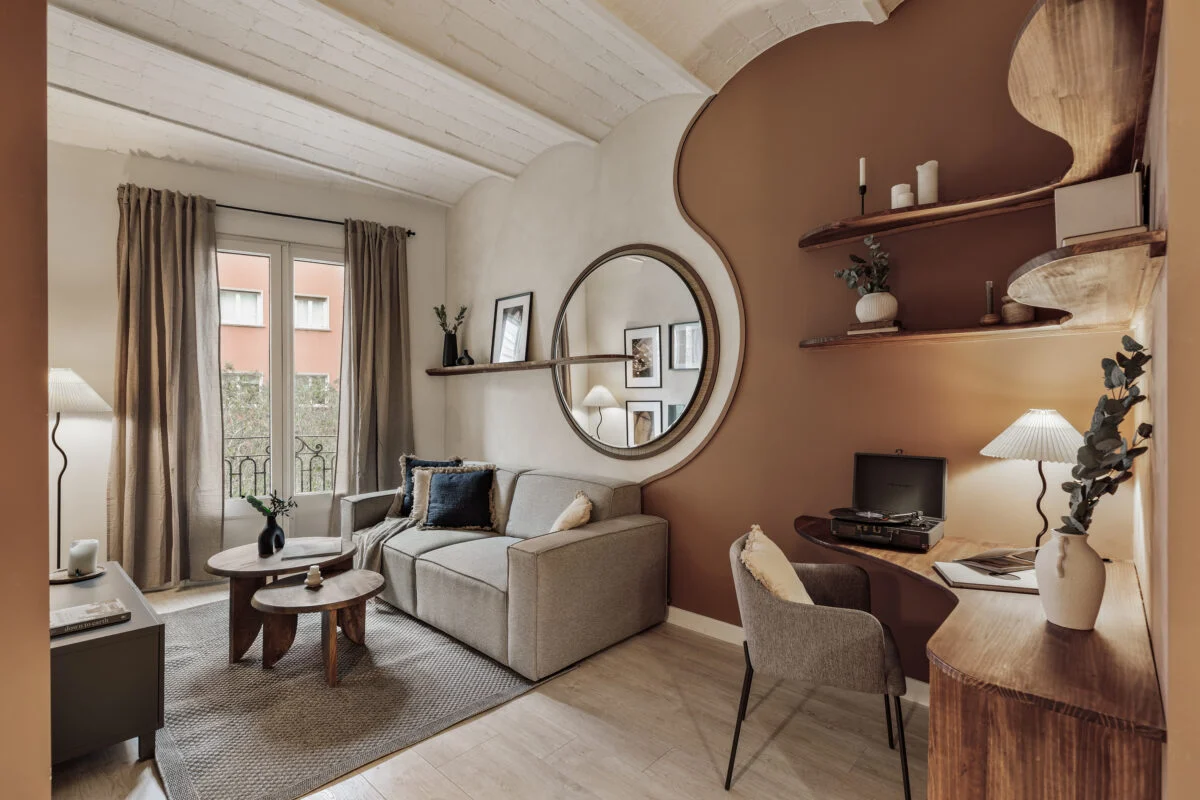
In small apartments, shapes make the difference. Furniture with sinuous lines and rounded corners help to make spaces more fluid and harmonious, improving the perception of the environment. Round tables, oval coffee tables, shelves with soft curves lighten the whole and make the home more welcoming and easier to live in, even in everyday life.
Transforming details into elements of art
It is often the details that define the identity of a space. Decorative tiles, craft objects or small targeted interventions can radically change the atmosphere of a home. It’s not about filling, but about choosing with intention.
Modular tiles, for example, allow you to create frames, mosaics or graphic patterns on the walls. The combined use of LEDs and wooden boards can create impressive geometric wall decorations. Even the ceiling can become the protagonist, applying canvases or fabrics to obtain surprising visual results, almost art gallery-like.
Let in light and greenery
Natural light remains one of the most powerful elements of interior design. Light curtains, warm lighting and natural plants help create lively and reassuring environments. Plants, preferably placed in self-watering pots, are also ideal for those who spend a lot of time away from home: they improve well-being, add movement and make the space more authentic and inhabited.
Choose materials that “breathe”
Materials such as wood, linen, ceramic and rattan bring with them an immediate sensation of warmth and naturalness. They are sustainable, tactile materials, capable of aging elegantly and making the environment more relaxing and timeless. A house furnished with materials that “breathe” conveys a sense of balance and comfort that remains in the memory of those who live there.
Define a precise mood
Color is emotion. Even before choosing individual furnishings, it is essential to think about the sensations you want to convey. Creating a coherent palette helps to give character to the space and avoid that aseptic and monotonous effect typical of many rental homes.
Mixing shades is not a mistake, if done wisely. A well-chosen chromatic thread can transform an environment, make it recognizable and welcoming, and make it feel truly “home”, even to those who are far from their own.