The Column – Human Styles
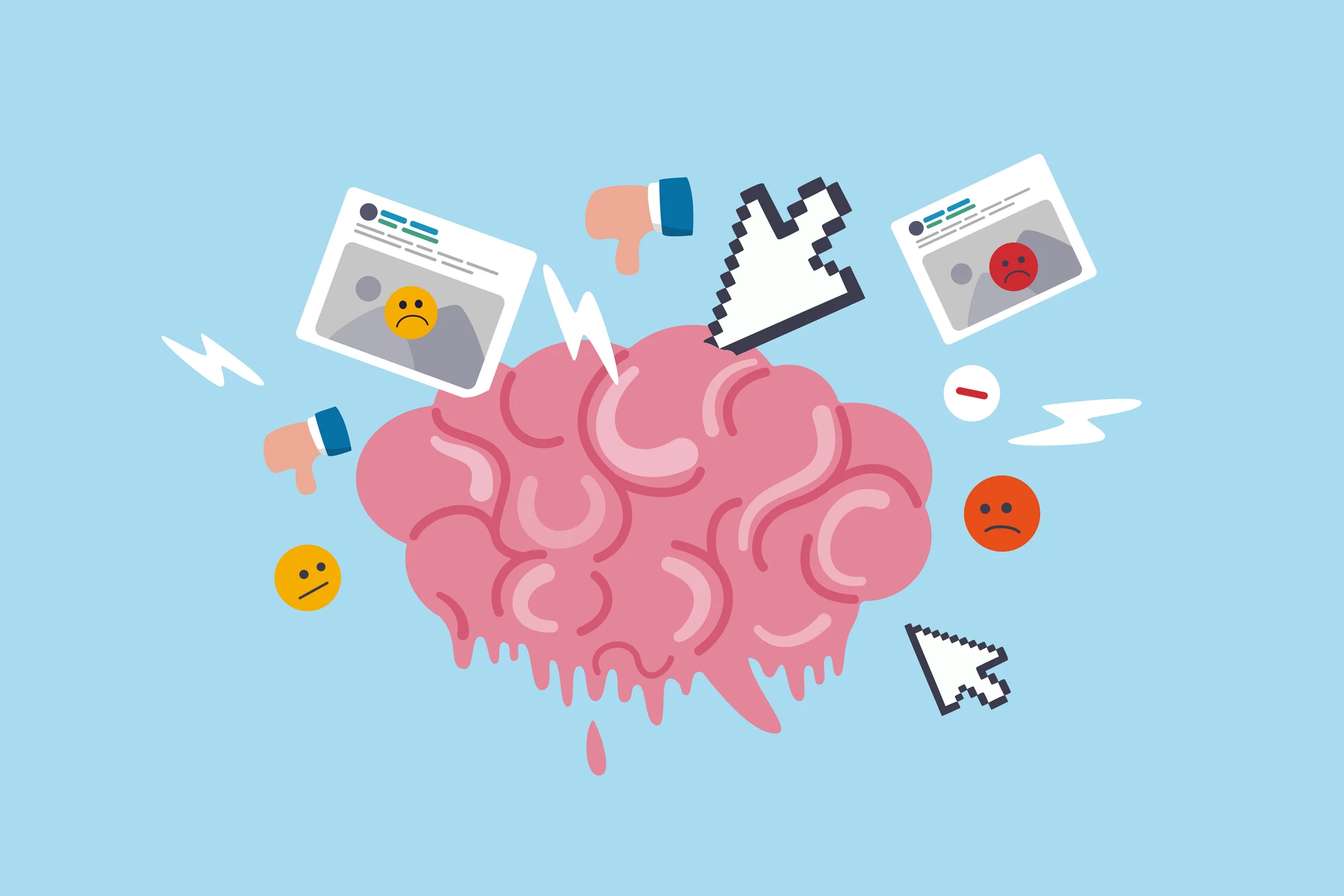
Brain rotting is not a new idea, even though it might seem so. In 1854, the philosopher Henry David Thoreau wrote in his Walden of a “brain rot”, criticizing the tendency to devalue complex ideas. One hundred and seventy years later, here we are again: Oxford has elected “brain rot” word of the year 2024. Same definition, different scenarios. But the concept of a ruined brain remains, more or less.
According to Oxford, brain rot is “the alleged deterioration of a person’s mental or intellectual state, seen as a result of excessive consumption of mundane or unstimulating online content.”
That “presumed” may appear cautious. But the word exists, it has entered the dictionary and its use has increased by 230% in a year. It describes something true, something that needed a name.
The remarkable thing is that philosophers, parents or psychologists did not invent that name. The kids themselves invented it. Brain rot is a generational self-diagnosis: they are the ones who say «this is frying my brain» or, worse, «my brain is rotting» while they continue to shake. A lucidity that does not produce change — they know everything, they name the damage, they build memes around it, and meanwhile the thumb continues to scroll. It is perhaps the most typically contemporary trait: the awareness that does not save. It fries.
The term has exploded on TikTok, the main platform accused of causing what it describes. The content has a recognizable form: very short videos, frenetic montages, humor that often makes no sense out of context. Dopamine compressed in fifteen seconds.
Yet, something is moving, from within. BookTok has taken hold. This is a community born on TikTok dedicated to books. They are short videos — usually 15-60 seconds — in which people recommend novels, react to endings, show off their libraries, make rankings. The typical format is someone talking in the room with a book in hand, often with very emphatic emotional reactions: crying, screaming, staring into space after a plot twist. Oh well, maybe someone might think: “I don’t know”. But at least we’re talking about books, or titles. Or you see covers. In short, something is moving, come on.
However, the paradox must be seen for what it is: the cure comes from the same place as the discomfort. The guys who invented the word brain rot are the same ones who are looking for the antidote — without waiting for particular external interventions. And they do it by remaining in the same place which, according to the vocabulary used, has made their brains rot.
To escape the rot of his brain, Thoreau went into the woods, stayed there for two years, then returned. Today’s kids stay inside TikTok, and open a book club for us. It is less romantic, more pragmatic resistance. More social. And we start again.