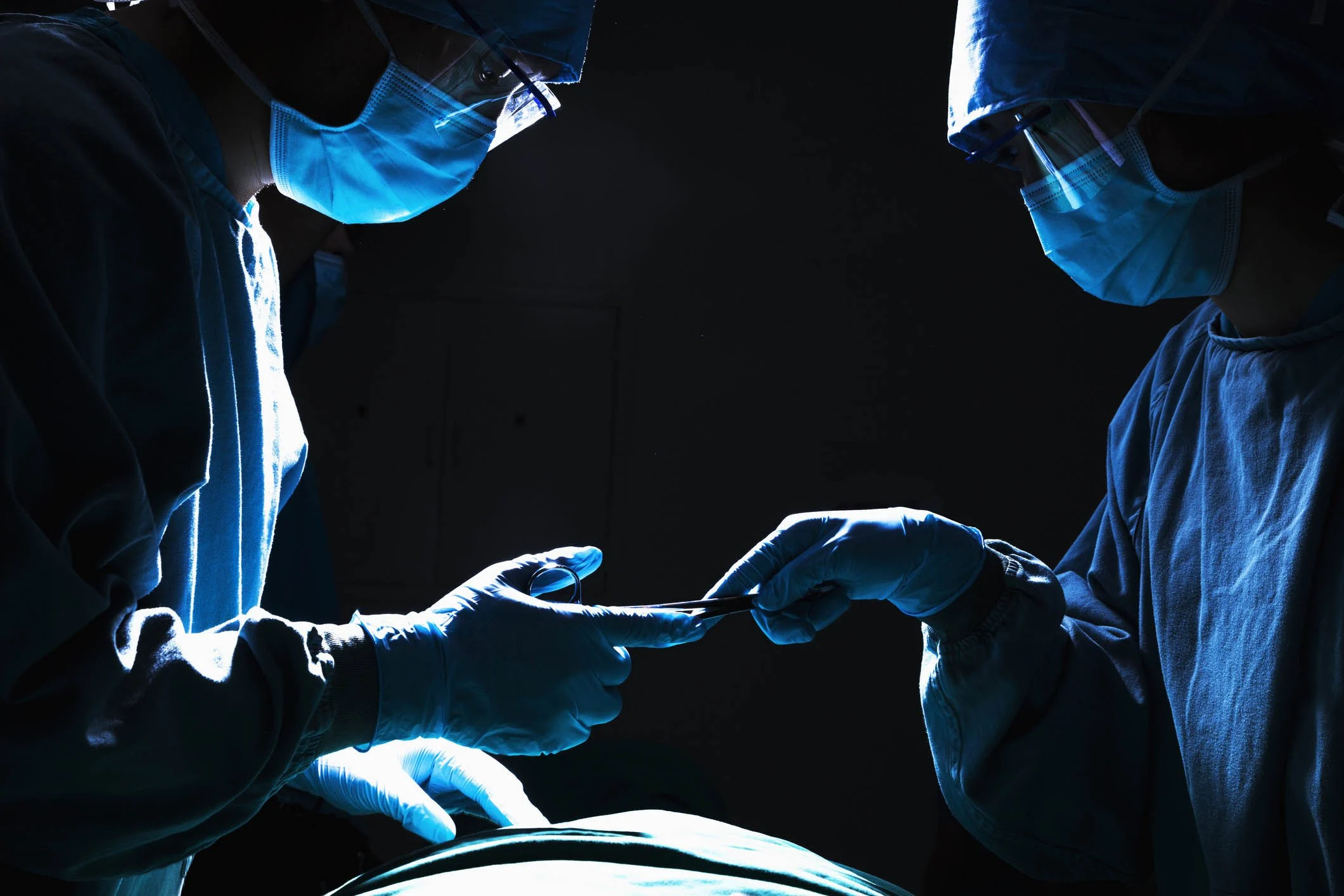
International Clinical Studies Day brings the value of biomedical research back to the fore. Between failures, innovation and artificial intelligence, modern medicine continues to depend on clinical trials and their complex scientific machine
Every year the May 20th is International Clinical Trials Dayalso known as Clinical Trials Day. An anniversary that has its roots in 1747, when the Scottish doctor James Lind conducted one of the first controlled experiments in the history of medicine among the sailors of the British Royal Navylooking for a cure for scurvy. That gesture, simple only in appearance, today represents the point of origin of modern clinical research. Not a formal celebration, but the recognition of a method that has changed medicine: systematic observation, comparison between groups, verification of results. Today Clinical Day does not only look at the past, but above all at the present of a discipline that remains essential. Without clinical studies there would be no new therapies, neither for rare diseases nor for highly prevalent pathologies. Yet, what happens behind the scenes of research often remains little known to the public. «Starting a clinical study means entering a long, regulated and complex, involving process ethical approvals, regulatory bodies, hospital center selection and patient recruitment. It is a scientific supply chain that represents the very heart of medical innovation, but which moves between uncertainties and often very long times” explains Simona Gatti, medical director of Bayer Italia.
Europe in slowdown, Italy included: numbers, investments and the global gap in clinical research
If clinical research is the engine of medicine, the European picture today shows signs of a slowdown. In 2023, according to data from theAIFAhave been approved in Italy 611 clinical trialsdown compared to 818 of 2021. A figure that fits into a broader context: between 2013 and 2023, global research grew by 38%but the European share has fallen since 22% to 12%according to the analyses EFPIAwhile the United States and China have significantly strengthened their scientific leadership. The main problem is the slow start of clinical studies, which especially penalizes the most innovative areas, such as advanced cell and gene therapiespotentially capable of generating up to 35 billion euros in value. Behind every drug there is a path that requires on average 10-15 years of research and development and investments reaching nine-figure figures. But the most significant fact remains another: only about 10% of clinical trials manages to lead to the commercialization of a new molecule. The rest is a long process of natural selection of science. Each clinical trial is in fact a complex structure that integrates regulatory evaluations, independent ethics committees, specialized hospital centers and patients enrolled according to rigorous criteria. It is a system in which failure is not an exception, but a physiological component of scientific progress.
Artificial intelligence, failures and resilience: the new frontier of clinical research
In this constantly evolving scenario, theartificial intelligence (AI) it is emerging as a tool that can accelerate and optimize clinical research. Its ability to analyze massive amounts of data promises to reduce time and inefficiencies across the entire drug development pipeline. Some pharmaceutical companies are already setting ambitious goals. Bayerfor example, aims to improve the productivity of research and development by 2030 40%with a reduction of 30% of patient access times to therapiesacting on clinical trials, diagnostics and development processes. Yet even AI has a structural limit: it cannot replace the human dimension of risk, decision and scientific responsibility. This is where clinical research shows its deepest nature: a balance between technology and intuition, between data and experience. Emblematic, in this sense, is the story ofAsundexiana factor XIa inhibitor developed by Bayer. At the end of 2023, the study of Phase III OCEANIC AFwhich had involved approx 13,000 patientswas discontinued after evaluation by an independent committee that found lower efficacy than the control group in preventing thromboembolic risk in atrial fibrillation. A complex outcome, but necessary to ensure patient safety and the integrity of the scientific process. However, the story didn’t stop there. As development continued, the program was recalibrated to other clinical indications. In the next study OCEANIC STROKEdedicated to the secondary prevention of non-cardioembolic ischemic stroke, the results showed a 26% reduction in recurrent ischemic eventswithout an increase in major bleeding. A fact that highlights how the same mechanism of action can fail in one context and work in another. The drug is not yet approved, but has already obtained the American FDA Fast Tracka sign of significant regulatory interest.
This is the substance of the so-called “error culture” in clinical research: the ability to transform failure into learning, without interrupting the scientific path. The pandemic of COVID-19 it has also made this concept more visible to public opinion, helping to strengthen trust in science and clinical trials. However, a less technological and more human challenge remains central: the patient recruitment. Today, in fact, participation in clinical trials depends decisively on the relationship between doctor and patient. In many cases it is easier to enroll people with serious pathologies and without therapeutic alternatives, especially in the sectors of gene and cell therapieswhere the drop-out rate is generally low, between 5% and 10%. But beyond the numbers, what defines clinical research is its profoundly human nature: not just technology and algorithms, but people who choose to believe in an uncertain pathlong and necessary to transform a scientific hypothesis into a real therapy.