While Europeans and Canadians lose weight, the Turkish star, blessed by the White House, appears to be on the rise after the NATO summit in Ankara
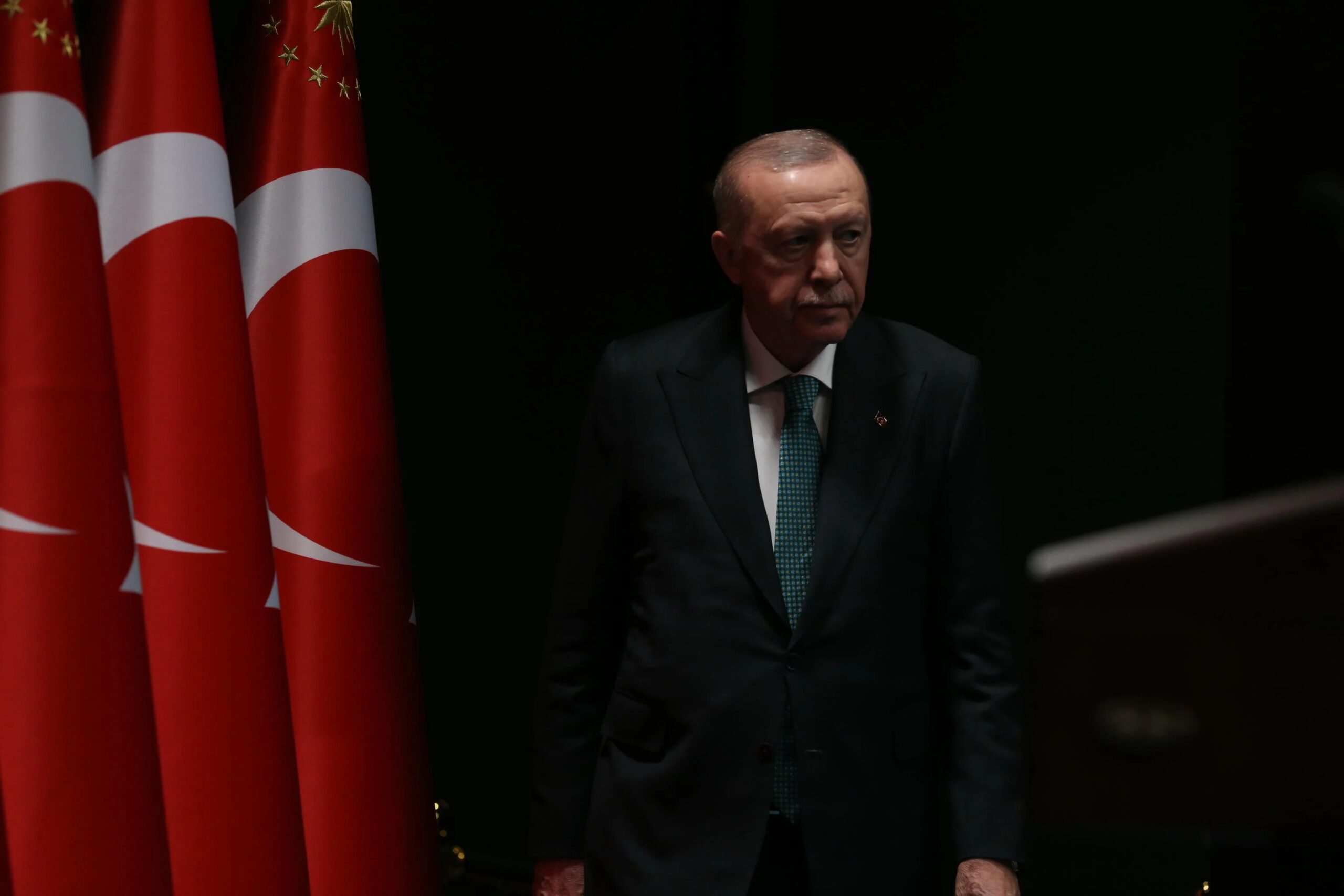
If there is a clear winner emerging from the NATO summit in Ankara, it is Recep Tayyip Erdogan. Taking advantage of the tensions between Washington and its European allies, the Turkish president has managed to make himself indispensable to both, thus strengthening his geopolitical centrality.
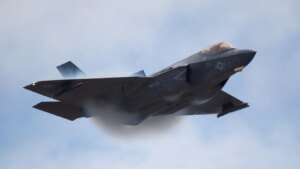
The sultan was first of all able to consolidate his position with the White House. During the summit, Donald Trump announced that the United States will lift the sanctions it had imposed on Turkey in 2020, after Ankara purchased Russian S-400 air defense systems. The American president also concretely opened up the possibility of Washington selling F-35 fighters to the Turkish government. Not only that. Trump also had words of praise for Erdogan, while reserving criticism and criticism for his European allies. At the same time, in recent weeks, the EU, probably also to counterbalance tensions with the White House, has softened relations with Turkey. Just last week, the European Union’s High Representative for Foreign Policy, Kaja Kallas, met with Erdogan, calling Ankara “a key partner on defense, migration, trade and regional stability.”
In short, the Turkish president emerges strengthened from the summit. Meanwhile, Turkey has consolidated its relations with Pakistan and aims to become the point of reference for a Sunni bloc that would go from Qatar to Syria, probably passing through Saudi Arabia and Egypt. Not only that. If his relations with Israel are bad, Erdogan maintains warm relations with Iran. Without neglecting Turkish influence on the Horn of Africa and the western part of Libya. At the same time, Ankara has significant interests in the Balkans and could also try to carve out a leading role in diplomacy relating to the Russian-Ukrainian conflict. Clearly, in all these games, Erdogan will now exploit his privileged relationship with Trump.
Of course, the occupant of the White House will have to deal with those sectors of the US Republican Party who do not like the sultan both for his anti-Israeli positions and for his historic closeness to the Muslim Brotherhood. However, on the other hand, Trump sees in the Turkish president an actor to whom he can “delegate” some thorny geopolitical dossiers, thus reducing the burdens on the United States and allowing them to concentrate more resources in theaters considered priorities (such as the Indo-Pacific). On the other hand, in the eyes of the occupant of the White House, the European allies appear weak and irresolute, incapable of assuming concrete responsibilities and, therefore, of helping Washington to reduce the costs of its commitments abroad. On the other hand, it is precisely this that led Trump to strengthen his position with Turkey which, let us remember, has the second largest army within NATO after the USA.
The summit, which will end tonight, therefore marks a reshuffling of the balance within the Atlantic Alliance. Europeans and Canadians are losing weight, while the star of Ankara, blessed by the White House, appears increasingly on the rise. And Trump, at this point, could get to delegate de facto the sultan is responsible for managing NATO’s southern flank. Which, if it were to happen, would strengthen Turkish influence in Libya and the eastern Mediterranean, making the geopolitical irrelevance of the Old Continent even more evident.