In the Lombardy capital, the Dolomia Biodiversity Laboratory combines cosmetics and naturalistic Alpine beekeeping
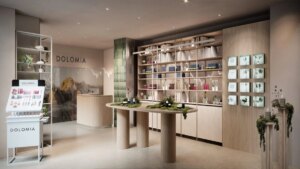
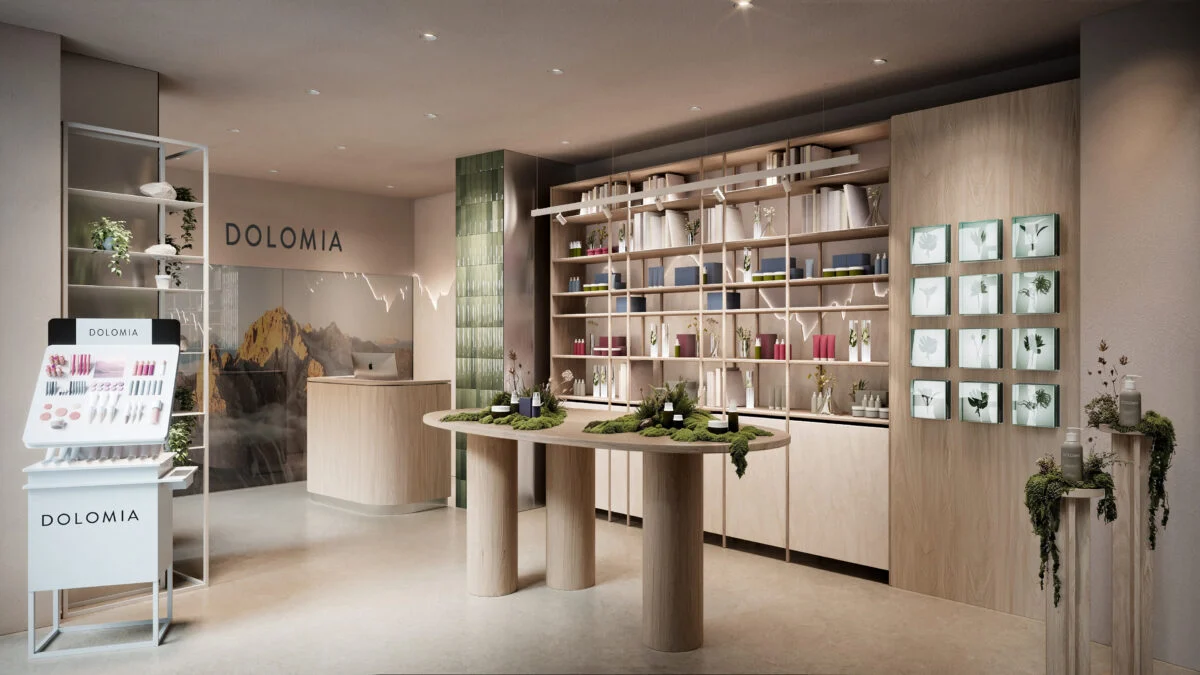
Cosmetic research linked to mountain ecosystems finds an exhibition and scientific venue in Milan. Starting in September, the brand Dolomitebelonging to the Unifarco group, opened its first temporary shop in Corso Garibaldi, on the corner with Via Palermo, called the Biodiversity Laboratory. The space has been structured to present the results of the study on the plant species of the Dolomites, applied to dermatology and skin care.
The center’s approach includes an analytical journey through the ingredients extracted from high-altitude flora. Inside the facility, expert staff perform structured skin analyzes to guide choices of facial and cosmetic treatments. The project intends to illustrate the correlation between the conservation of natural habitats, the presence of pollinating insects and the development of formulations for the epidermal protection. After the conclusion of the temporary opening period, the experiential and educational space on Corso Garibaldi 50 closed today 21 September.
The formulation of the botanical complexes and the honey line
The cosmetic offer presented in the Milanese store is based on active ingredients derived from Alpine vegetation. The line Rose Therapy uses a compound based on pre-alpine Rosa Gallica, called Rosa Prima, together with extracts of dandelion and snow crocus. The range Phyto Defense uses saffron petals grown at altitude, while Flora Lift obtains its components from Alpine rhododendron leaves. The line completes the range Lymph Detoxbased on Scutellaria alpina, and the Botanical Fit system, with the toning booster 46-12, which combines lemon balm, hawthorn, dog rose and elderberry.
The novelty in terms of anti-aging skin care is the system Wild Bee Miraclewhich uses Miele Origini, an organic ingredient obtained within the Unifarco Biodiversity Park. The component is subjected to a bio-enhancement process by combining it with Bella di Bosco, an ancient variety of local apple: the phytocomplex obtained contains, according to the company, bioactive molecules intended to support skin repair processes.
Five years of research on naturalistic beekeeping
The development of these applications is the outcome of a research program launched five years ago, during which Dolomia collaborated with researchers, beekeepers and experts to promote a naturalistic beekeeping model oriented towards the well-being of bees. In the Biodiversity Park Ten Top Bar type hives were installed, designed to encourage the natural development of the colonies while limiting human intervention to a minimum.
According to the company, the research program is accompanied by a series of educational activities aimed at local communities, with the aim of spreading greater awareness on the role of pollinators. For the sustenance of the bees, over 10,000 square meters of land adjacent to the factory Unifarc of Santa Giustina, in the province of Belluno, were intended for the cultivation of selected plant species, chosen to provide nourishment to insects and support the balance of the local ecosystem: a system that directly affects the quality of the Miele Origini used in cosmetic formulations.
The educational program linked to the world of bees was also built on this breeding model, hosted in the internal courtyard of Corso Garibaldi, adjacent to the store. The meetings, directed by Gabriele De Nadaiforestry doctor, botanist and head of the Dolomia Extracts Laboratory, illustrated to visitors the functioning of the hive and the role of pollinators in the balance of ecosystems. The itinerary also included a photographic exhibition dedicated to Apoidea and a Top Bar-type educational hive, created by Green Island, in collaboration with Alveari Urbani and local artisans with ecological materials, designed to closely observe the life of the colony.