With its impervious terraces, Valtellina is a land of heroic viticulture. Here, Sfursat (with its particular drying method) reigns supreme
It would be completely wrong to speak of “sweet Valtellina”. How can they be defined as “sweet” i terraces that cover it, frame it, a centuries-old rural and anthropological picture that never ceases to leave one speechless? No, it would be more correct to define it as “impervious Valtellina”. Fascinating in its slopes, tiring to live and work and yet so good, so satisfying to the senses in the glass. This is Valtellina.
The protagonists, of course, are the Alps (and it couldn’t be otherwise). Cold, rigid, bearers of continuous and unpredictable temperature variations. But not only that. Impossible to forget the mitigating breeze that comes from Lake Como. Just as it is impossible to forget the charming brightness of the valley, kissed for a long time by the sun during the day. That’s why the wine here is so special. This is why Sfursat inebriates those who taste it with memories (even childhood ones), as in the famous scene of the film Ratatouille in which the food critic Antoine Ego brings to mind the poetic scene in which, as a child disconsolate after a fall, he finds comfort in the warm and tasty dish prepared by his mother.
How it was born Sfursat heroic of Valtellina
Heroic, the viticulture of Valtellina. Yes, this is the right adjective to use. Working the steep terraces here involves endless hours Work for a vine yield which, if compared with that on the plains, is truly ridiculous. But the quantity is not important here. It’s the quality that really matters. Like that of Sfursat (in Italian Sforzato), the symbol of this area with an unbridled wine-growing vocation.
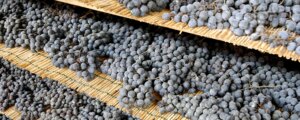
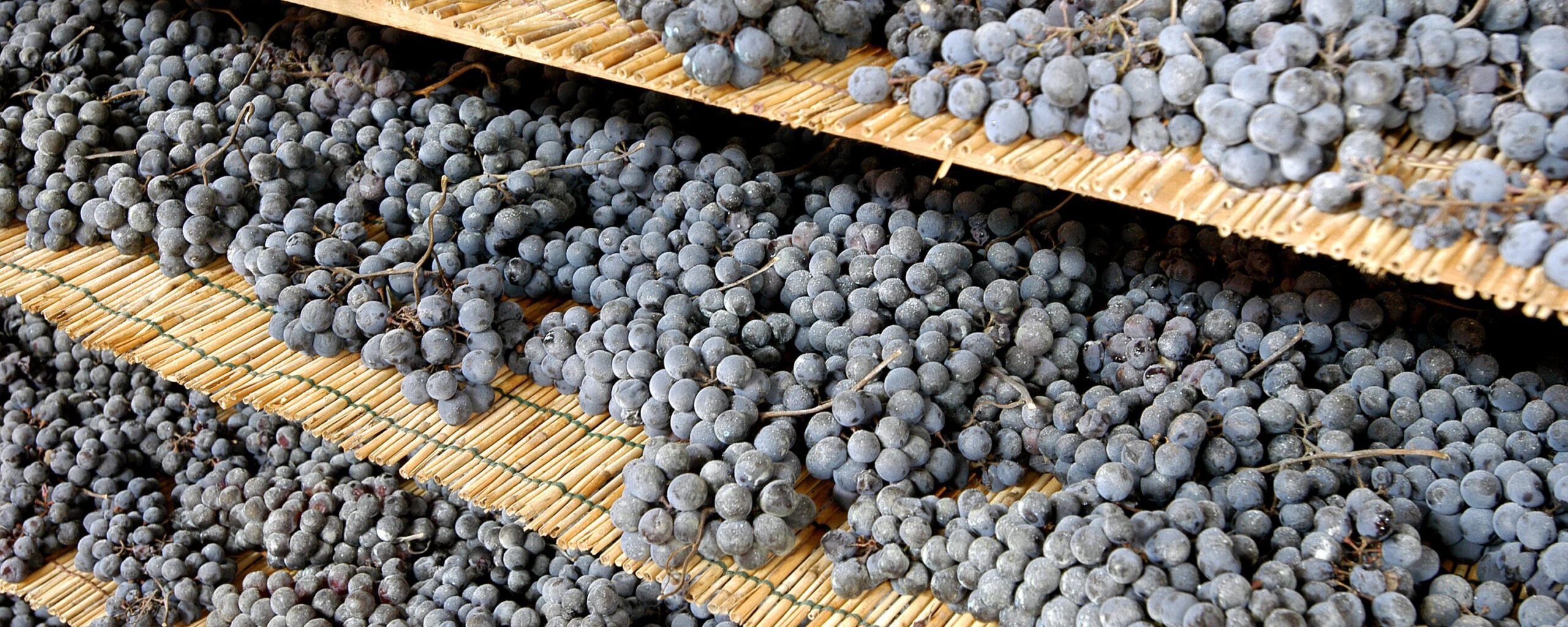
This is a wine that starts from Nebbiolo. Or rather, from Chiavennasca (the name given, in Valtellina, to the famous vine which in Piedmont gives rise to Barolo and Barbaresco). Grapes selected with extreme care and diligence (only the ripest, healthiest and loosest berries), left to dry for a long time placed on special racks or boxes (“sforzare”, precisely), often in well-ventilated attics or fruit sheds. Until the beginning of December.
Then, when the grapes are well dehydrated and have concentrated the sugars, extracts and aromas to the maximum, it’s time to move on to action. After pressing, a slow and prolonged alcoholic fermentation follows to dissolve the high sugar content and transform it into a wine dry with a notable alcohol content (between 15 and 16 degrees). At that point, we arrive at the final step. At least 20 months of aging are needed, of which 12 in oak barrels. And, finally, the time has come to taste the wine.
Why so Sfursat represents Valtellina itself
Sfursat is history, of course. It’s culture. It is the very identity of rural Valtellina. The mountain that pours into the chalice, like a raging torrent. But Sfursat is also innovation. It is a product that outlines the portrait of a territory which is also and above all told through its wines. It is the effort of those who work those terraces, of those who refine the must in the cellar, of those who tell all this during a tasting. Yes, Sfursat is definitely Valtellina.