Changing the salt we use every day in the kitchen could have much more important consequences than we imagine. Not only on blood pressure, but also on the risk of developing cardiovascular and kidney diseases. According to a new study published on November 4, 2026 in the scientific journal Nature Health, Replacing common table salt with a potassium-enriched alternative could help prevent nearly 3 million deaths worldwide every year.
A perspective that could transform one of the most common eating habits into a large-scale health prevention tool. The research, conducted through a mathematical model applied to 193 countries and territories, indicates that a generalized replacement of traditional salt could avoid approximately 2.96 million deaths and over 10 million new cases of cardiovascular and renal diseases every year.
The numbers are particularly significant, but require clarification: these are not deaths already avoided or results obtained by experimenting with change across the entire world population, but rather projections developed by researchers on the basis of available scientific evidence.
Traditional salt and salt with potassium: what is the difference
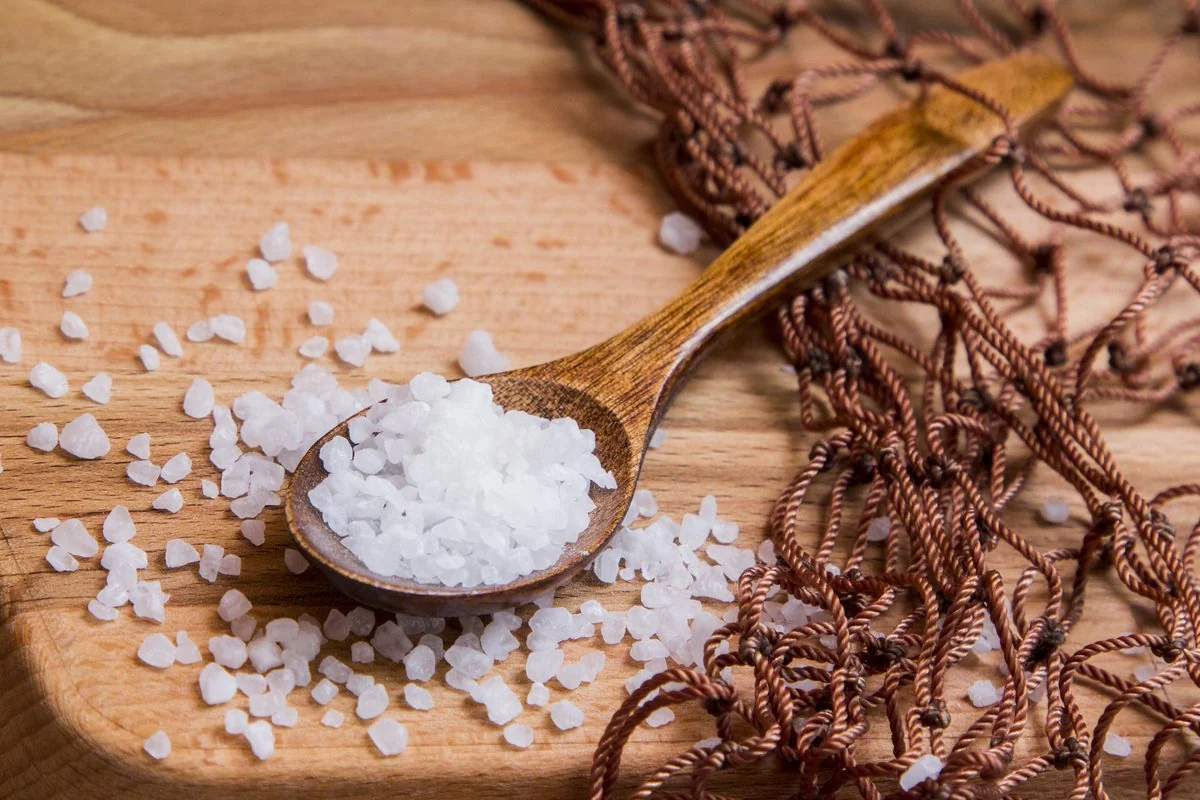
Common table salt is mainly composed of sodium chloride, a substance that is essential for the functioning of the body but which, when consumed in excessive quantities, contributes to an increase in blood pressure.
Potassium-enriched salt, also called low-sodium salt or sodium-reduced salt substitute, has a different composition. In the formulation analyzed by the researchers, 75% is made up of sodium chloride and the remaining 25% of potassium chloride.
The difference is important because it allows you to intervene simultaneously on two aspects of nutrition: reduce sodium and increase potassium intakea mineral that contributes to the regulation of blood pressure.
The advantage is also practical. The product can be used to cook or season foods in a similar way to traditional salt, maintaining a generally acceptable salty flavor for consumers.
This does not mean, however, that it can be used without limits. Potassium-fortified salt also contains sodium and does not eliminate the need to moderate overall consumption.
The study on 193 countries: almost 3 million avoidable deaths
The international research, coordinated by Liping Huang of the George Institute for Global Health, evaluated five possible salt replacement scenarios, taking into consideration both that added during the home preparation of meals and that already present in industrial products and foods served in restaurants.
In the broader scenario, which involves replacing all salt consumed with a potassium-enriched formulation, the model estimates 2.96 million preventable deaths each yearequal to 14.6% of the annual deaths from cardiovascular and renal diseases considered in the analysis.
To these would be added 10.17 million new cases of potentially preventable disease.
The greatest benefits would concern some of the most widespread and dangerous pathologies, including heart attack, stroke, hypertensive heart disease and chronic kidney disease.
But the research also highlights an interesting element: to obtain important results it would not necessarily be essential to immediately change the entire world food production.
Replacing just the salt used in homes could avoid an estimated 1.85 million deaths each year. Intervening exclusively on that present in processed products and catering would instead lead to approximately 1.56 million fewer deaths.
Numbers that show how much individual choices can contribute to prevention, without replacing the need for interventions by the food industry.
Because potassium helps lower blood pressure
The relationship between sodium, potassium and blood pressure is one of the central aspects of research.
A diet too rich in sodium promotes an increase in blood pressure, one of the main risk factors for heart attack and stroke. Potassium, on the other hand, plays an important role in regulating fluid balance and cardiovascular function.
According to the data referred to by the authors of the study, the average global consumption of sodium stands at around 4.3 grams per day, more than double the 2 grams recommended by the World Health Organisation, equivalent to around 5 grams of salt.
At the same time, the average potassium intake is approximately 2.3 grams per day, lower than the 3.5 grams indicated by the WHO as the minimum recommended level for adults.
The partial replacement of sodium with potassium could therefore improve this balance, helping to lower blood pressure and, in the long term, reduce cardiovascular risk.
However, this is not a completely new principle. Already in January 2025, the WHO had published indications favorable to the use of salt substitutes containing potassium, as part of the strategies to reduce sodium consumption in the adult population.
Salt with potassium, who should avoid it and what are the risks
Despite the possible benefits, potassium-enriched salt is not suitable for everyone. The main contraindication concerns people who suffer from reduced kidney function, especially in the presence of chronic kidney disease.
In fact, the kidneys have the task of regulating the amount of potassium present in the body. When they don’t work properly, excessive intake can lead to a dangerous increase in the concentration of this mineral in the blood, a condition known as hyperkalemia.
In more severe cases, hyperkalemia can cause heart rhythm changes and potentially fatal complications.
The same study took this risk into consideration. In people with chronic kidney disease in stages G3 to G5, the model predicts that a generalized salt replacement could lead to approximately 100,000 additional deaths per year related to hyperkalemia, while simultaneously estimating a higher number of preventable cardiovascular deaths thanks to blood pressure reduction.
Particular attention is also necessary for those taking certain drugs, including ACE inhibitors, sartans and potassium-sparing diuretics, such as spironolactone. These medicines can reduce the elimination of potassium and increase its concentration in the blood.
For this reason, those who suffer from renal failure, have alterations in potassium levels or follow therapies that can modify them should consult their doctor before using salt substitutes enriched with this mineral.
Furthermore, the WHO indications for the general population do not include children and pregnant women, categories for which the same recommendation is not made.
Is it worth replacing normal salt with potassium salt?
For adults without particular contraindications, salt with reduced sodium content and enriched in potassium can represent a useful alternative to the traditional product, especially when the objective is to reduce the amount of sodium introduced in the diet.
However, it must not become a reason to salt foods more or neglect other eating habits.
A substantial part of the sodium consumed daily, especially in Western countries, comes from packaged foods, processed products, sauces and dishes prepared outside the home. Reducing consumption remains one of the most effective strategies for controlling overall salt intake.
The general indication therefore continues to be to limit sodium, prefer fresh and minimally processed foods and follow a balanced diet, checking with your doctor whether it is advisable to use a potassium-enriched salt.
The novelty of the study published on Nature Health it is above all in the dimension of the possible collective benefit: an apparently small change in the composition of a daily ingredient could translate, if applied on a large scale and in safe conditions, into millions of lives saved.
A result that opens new perspectives for cardiovascular prevention, but also reminds us that the most promising food solutions must always be evaluated in relation to individual health conditions.