The Column – Human Styles
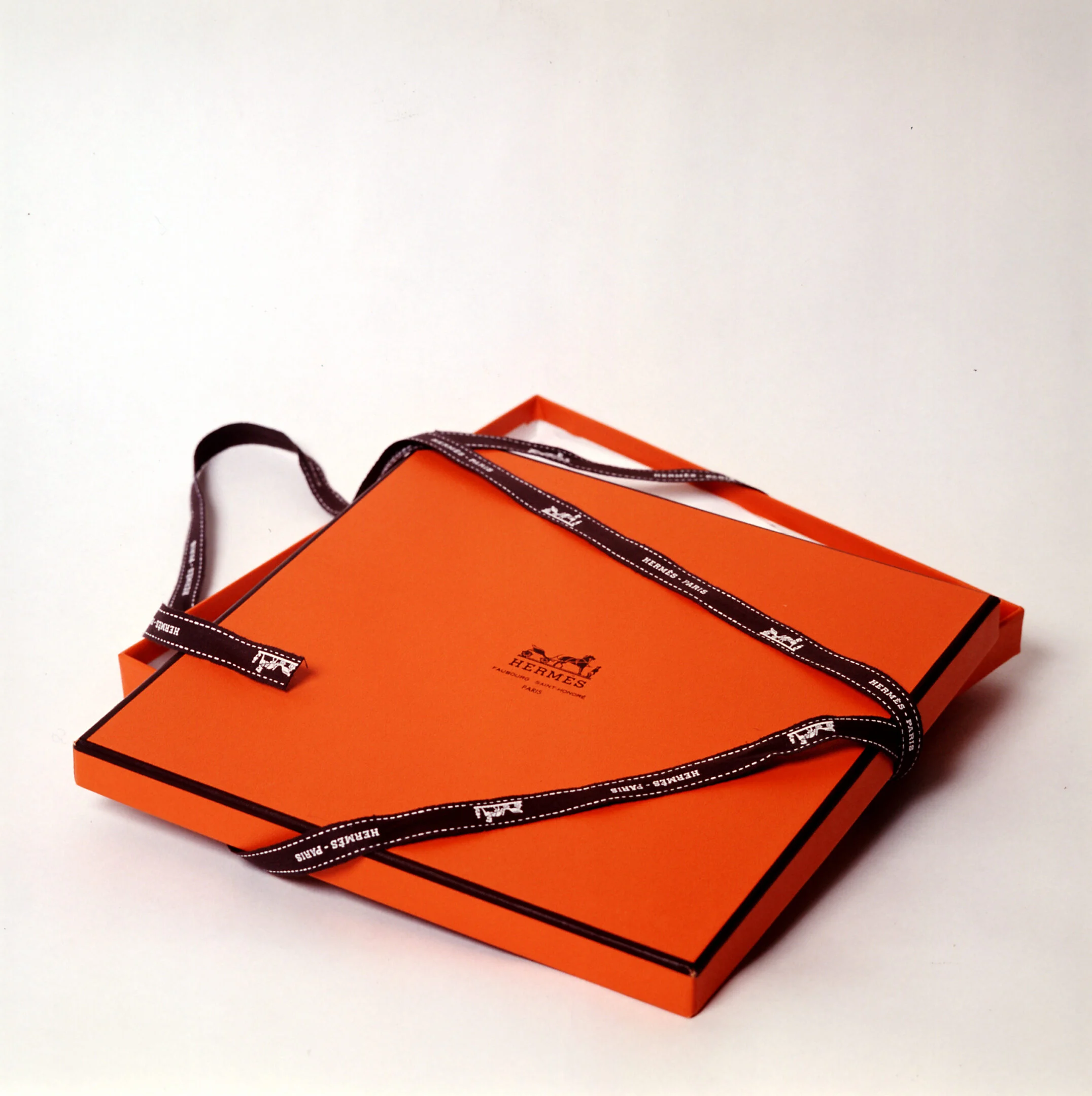
It is orange with a brown border, it is called the Hermès Orange Box and, in the end, it would just look like a box. However, it could be reductive to define it like this: box. Realistic but still reductive, the Hermes Orange Box is an unmistakable sign of the Hermès maison. A container, of course, but with the mission of storing objects and bags from the Maison. It’s still a box, some might think, okay… but it was already born in the early 1900s, the fruit of the idea of Émile Maurice Hermès, grandson of the founder Thierry Hermès, who decided to create beige containers in imitation pigskin, characterized by a delicate shade and a darker, brown edge.
The Maison Hermes then decided to move from beige to mustard, but in the end this shade became unobtainable. The Second World War had caused a shortage of materials, so no more beige, no more mustard, no more brown border. But one thing was certain: giving up the box wasn’t an option. Not continuing the Maison’s business was not an option. The only color available on the market at that time was orange, and thus the Orange Box Hermès was born. A need dictated by the need to adapt to a critical moment, but also by the desire not to give in to circumstances, led to the birth of a box – yes, we understood it – but also of an icon.
In the 1960s the brown border was restored, and over time orange has become the distinctive sign not only of the box, but also of Hermès clothes, bags, scarves and other objects. Today we see some people artfully positioning these boxes, perhaps on a bed or a chair, creating that “I see – I don’t see but please see” effect designed to be photographed and perhaps posted on social media. So, for pomp perhaps. Yet, that box that is not a box – well, I finally said it – has a story. Like any true icon.
Excerpt from the book «Fashion Outsider» by Elisa Rovesta, published by Oligo editore