The price of copper has risen more than 50% in three years: from AI data centers to mine outages, here’s why the market is tense
A series of exceptional circumstances is pushing the price of one of the traditionally most available and least valuable metals skyrocketing: copper.
A real one combination of factors exceptional, both on the demand and supply sides, with the spot price of the metal growing by more than 50% in the last three years.
Copper, often referred to as one of the quintessential “industrial” metals, could also be called the silent connective tissue of the modern economy. The combination of rapidly changing demand and increasingly fragile supply has transformed what until a few years ago was a relatively predictable market into one of the hottest commodity fronts.
The functions of copper
The versatility of copper is immense. His electrical conductivity it is second only to silver, but at a fraction of the cost, making it the material of choice for cables, harnesses and electronic components in every industry from electrical networks to consumer devices.
This is accompanied by an excellent one thermal conductivitywhich makes it indispensable in heat dissipation systems, an increasingly critical aspect with the increase in the computing power of electronic systems.
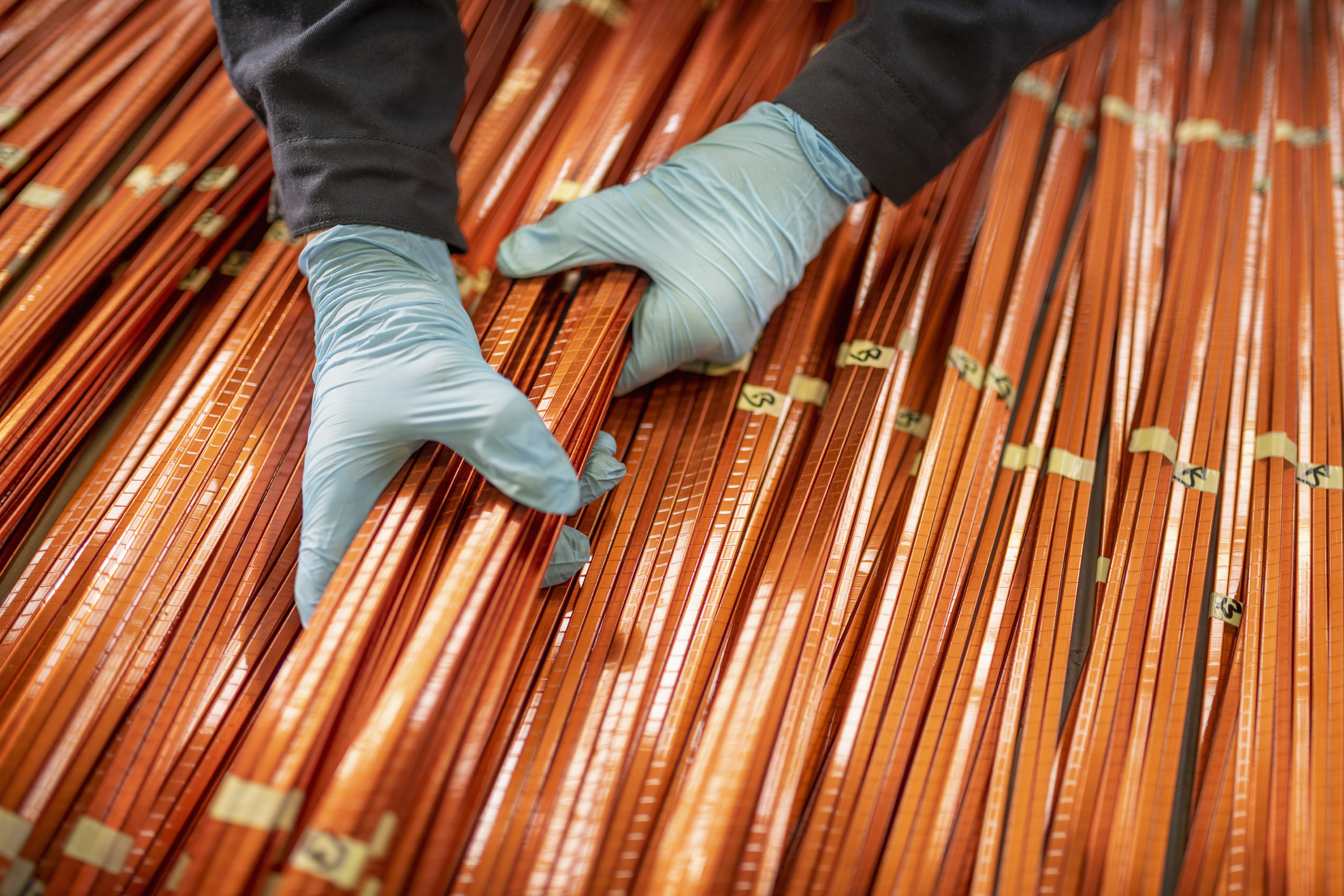
In addition to electrical and thermal properties, copper also boasts a marked ductility and malleabilitywhich allow it to be processed in very thin wires or sheets, adapting to complex geometries.
Finally, his high recyclability without loss of quality, it necessarily places it at the center of circular economy strategies, a factor that strengthens its strategic value in the long term.
The reasons on the demand side
If once the demand for copper was a thermometer of traditional construction and manufacturing activity, in 2026 the situation has profoundly changed, significantly pushing its price up.
Demand is today supported by structural forces that act on multiple fronts simultaneously, making it much less sensitive to short-term economic cycles.
The most discussed engine, but now concretely operational, is the one linked toartificial intelligence and data centers. The widespread expansion of computing infrastructures requires enormous quantities of copper for high-capacity cabling, power transmission systems and cooling systems.
Forecasts indicate that global copper consumption by data centers will rise from around 740,000 tonnes in 2026 to 1.3 million tonnes by 2028, so much so that an analysis by Unicredit highlights how this AI-related demand “adds a new level of growth” to an already tense market.
Then there is energy transitionwith the electrification of consumption, the expansion of electricity networks to integrate renewables and electric mobility, all sectors with a very high copper intensity. A battery electric vehicle uses on average approximately 70 kg of coppera quantity three to five times higher than that of a traditional car.
Then there is the construction sector, where copper is used in electrical systems, cables, hydraulic pipes, boilers and heat pumps.
A geopolitical factor such as the“hoarding” of supplies in the United States, occurred in view of potential tariffs on refined copper imports.
Critical issues on the supply side
If demand runs, however, supply struggles, and this imbalance is the heart of the copper crisis. The global copper concentrates market has entered a phase of structural deficiency which is having a dramatic impact on treatment and refining costs (TC/RC).
In 2026, TC/RC spots have slipped into territory negativean unprecedented event that forces foundries to pay to process the concentrate, significantly eroding the margins of a traditional business model.
In this extreme situation, giants like Antofagasta have accepted contracts with TC/RC equal to zero for 2026 with important Chinese smelters, in order to guarantee the outlet for the mineral.
At the root of this scarcity of raw material are severe and concentrated mining disruptions. Events such as the landslide in the mine Grasberg in Indonesia and the operational problems in Chile and in the Democratic Republic of Congo (in particular a Kamoa-Kakula) have drastically reduced the production expected for 2026.
According to the analysis by Panmure Liberum, the inconveniences officially reported for the two-year period 2025-2026 amount to 350,000-400,000 tons of copper per year content. A significant figure on a media level but in reality lower than the normal share of unexpected interruptions that the market physiologically discounts every year, demonstrating how the price run is also fueled by strong financial flows, beyond just physical scarcity.
The consequences, as always happens, are also felt in the products for end consumers, although, fortunately, in a much milder way than the energy crisis.