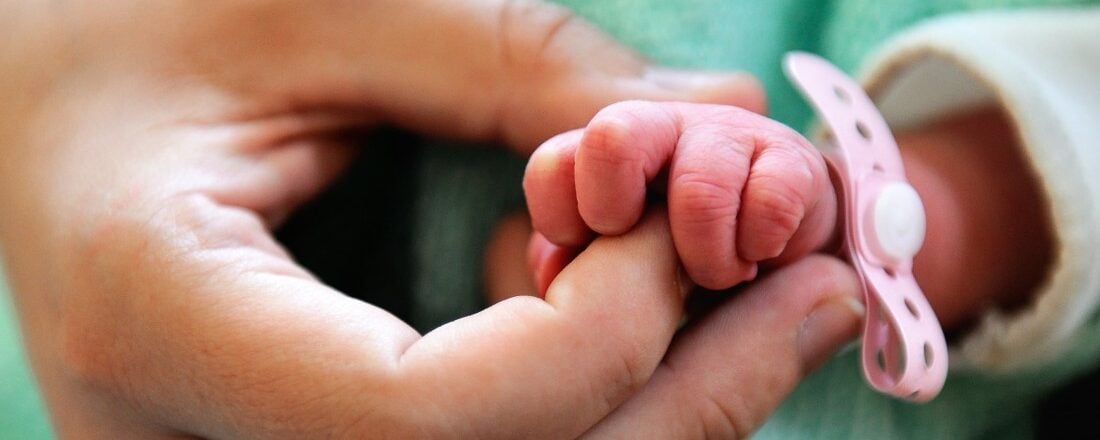
Two premature babies died at the Bolzano hospital from an infection from Serratia Marnescens. Here is what this bacterium is, how it is transmitted and how to prevent it in the health sector.
Between 12 and 13 August 2025, two strongly premature babies hospitalized in the neonatal intensive care of the San Maurizio hospital in Bolzano died for a serious infection from Serratia Marcenscenslittle known but very dangerous bacterium. It is a gram-negative bacterium, belonging to the Enterobacteriaceae, known for its red-orange pigmentation, once also used as a biological marker: the family is that of the most known Salmonella and Escherichica colibut also of Klebsiella and Shigella, and the consequences of her infection can be – as in this case – dramatic.
Serratia Marnescens, known since the nineteenth century because Described by the Paduan pharmacist Bartolomeo Bizioit is a pathogen opportunist: that is, a microorganism that in normal conditions coexists with the guest without causing diseases, but which can cause an infection in the case of patients with low immune defenses, precisely premature babies or patients hospitalized in high-intensity lanes, and is characterized by a high antibiotic-resistance. It also manages to survive impact treatments that should be effective in theory, which makes it even more complicated to treat infected patients. In fact, treatments often require targeted antibiotics, administered only after careful microbiological analysis of the strain involved. Precisely for these characteristics It is among the top ten causes of hospital infectionsespecially in the intensive care units. The terrible episode of Bolzano immediately started an investigation by the prosecutor and the intervention of the Nas carabinieri, to check if the security and prevention protocols have been respected.
This microorganism in the hospital It manages to easily colonize medical instruments, surfaces and even devices which should be sterile, such as catheters, respiratory and even liquid soaps. In premature infants can cause sepsis, meningitis and pneumonia, with a mortality rate that can also reach 45%, as shown by several scientific studies. The transmission of this bacterium takes place mainly through contact, direct or indirect: hands not correctly disinfected, Unaten surfaces or non -sterilized tools can become vectors. In some cases, the same water of the tap or disposable materials reused improperly can contribute to the spread of the infection. In Bolzano, immediately after the death of the two babies, it was activated An extraordinary verification and sanitization plan throughout the area of neonatal intensive care therapy. The uninfected infants were temporarily transferred and the health personnel has been strengthened. In parallel, judicial investigations are underway to understand how the outbreak has been able to develop, if the prevention protocols have been respected and if there have been mow in the management of hygiene. In situations like this, it is important to remember that prevention is the only real shield against hospital infections of this type. The correct washing of the hands, the disinfection of the environments, careful management of medical devices and the active surveillance by health personnel They are fundamental elements to avoid tragedies.