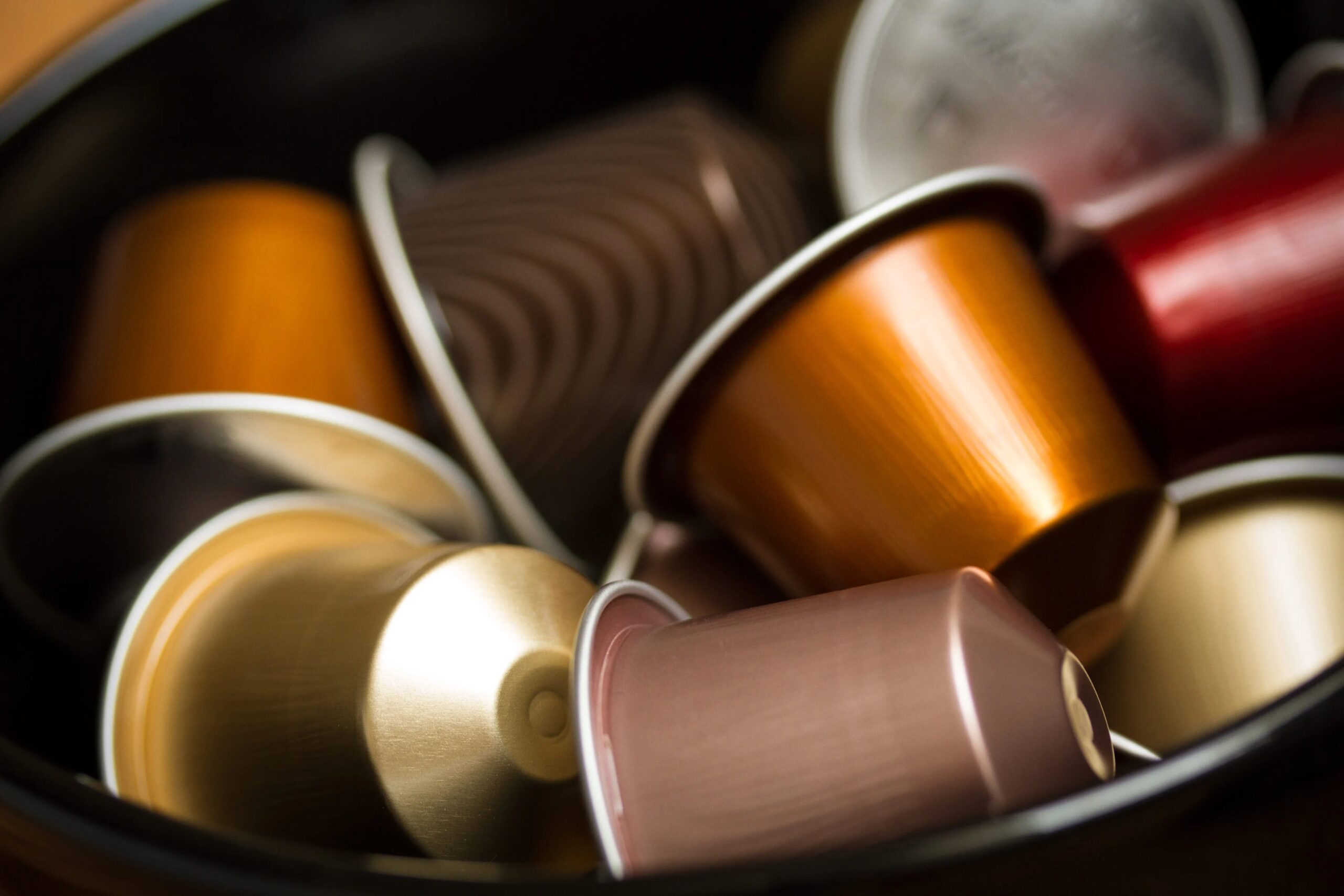
From 12 August 2026 capsules, pods and bags for tea and other drinks will be considered packaging. Environmental labeling and new obligations for producers are arriving, but there will not be a single valid bin throughout Italy
The question accompanies every coffee prepared with the domestic machine: where do you throw the used capsule? In unsorted waste, in plastic, in metals or in wet waste? From 12 August 2026 it should become easier to find the answer, because the information necessary to identify the material and choose the correct collection will have to appear on the packages.
The novelty arises from the new European Regulation on packaging and packaging waste, the so-called PPWR, which will apply in all European Union countries starting from 12 August. For the first time, capsules and pods will be formally considered packaging even when they are used and thrown away together with the coffee left inside them.
It does not mean, however, that from the same date all capsules can be thrown away without distinction in plastic or metal. The material, the compostability of the product and above all the collection system available in your municipality will continue to make the difference.
Because capsules and pods become packaging
Until now, the legal classification also depended on the way in which the capsule reached the end of its use. For example, capsules left empty by the machine or designed to be opened and emptied by the consumer were already considered packaging. However, those destined to be eliminated together with the used coffee remained outside the system.
From August 12th this distinction disappears. The new regulation includes in the definition of packaging both permeable pods and single-dose units that become soft after use, as well as rigid, non-permeable capsules used in coffee machines. The European choice arises precisely from the habits of consumers, who normally throw away these products without separating the packaging from the residue of the drink.
The classification will also cover tea bags and single-serving units used to prepare other drinks. From a legal point of view, therefore, they will no longer be considered just a part of the food product, but actual packaging to be managed within the relevant collection and recovery chains.
What changes for those who buy coffee
The most visible consequence will be environmental labelling. From 12 August, capsules, pods and sachets intended for Italian consumers will have to bear the identification coding of the material and the indication relating to collection, following the rules already applied to other packaging sold in our country.
In practice, the consumer will no longer have to decide for themselves whether a capsule is predominantly made of aluminium, plastic, paper or compostable material. You must read the information on the packaging and check the provisions of your municipality.
However, at least for now, a completely new European pictogram that is the same in all member states will not arrive. The harmonized label envisaged by the PPWR will come into force from 12 August 2028, or later if the European technical acts require more time. Until then, the national system based on the material code and collection indication will continue to be used in Italy.
Where are the capsules thrown away from August 12th
The most important rule is that not all capsules must be placed in the same container.
The capsules and pods made of biodegradable and compostable plastic, compliant with the EN 13432 standard, can be disposed of together with organic waste. In this case, the coffee residue and its container can be sent together to the composting plants.
For rigid aluminum or plastic capsules, it will be necessary to follow the label and the instructions of the local manager. The new classification allows them to be included in packaging supply chains, but the possibility of physically collecting them together with metals or plastic depends on the ability of the systems to intercept such small and light objects.
This is the case in Milan, where aluminum capsules can already be thrown into the yellow plastic and metal bag even when they still contain coffee residues. The system is possible thanks to the Muggiano plant, equipped with technology capable of separating and recovering even the smallest fractions of aluminium. The model will be progressively extended to the hinterland municipalities served by Amsa, but cannot be automatically applied to the entire national territory.
Where there is no specific collection or adequate system, the redelivery points made available by the producers or the methods indicated by the Municipality may continue to be used. Throwing a capsule into the plastic or metal container just because it is made of that material may not be sufficient to guarantee its recycling.
The pods will have to become compostable
The European regulation also introduces a change destined to modify production in the coming years. By February 12, 2028, permeable sachets, coffee pods and single-serve units that become soft after use must be compatible with industrial composting.
The obligation does not automatically apply to all hard capsules used in machines. For non-permeable single-dose units, in fact, the European Union leaves the possibility to Member States to request compostability only when adequate organic collection systems and plants capable of treating these materials are available.
The distinction is fundamental: the wording “biodegradable” is not enough to throw a capsule into the garbage. The product must be certified as compostable according to the required standards and the label must clearly indicate its disposal in organic collection.
The new costs for producers
The change doesn’t just affect the trash can at home. From the moment in which packaging, capsules and pods are considered, they will enter the system of extended producer responsibility. Companies will therefore be asked to contribute to the costs of collection, selection, treatment and recycling through the Conai environmental contribution, calculated based on the material used.
For aluminum capsules, the contribution will initially be equal to 12 euros per ton, but from 1 October 2026 it will rise to 120 euros per ton through the introduction of an additional contribution intended for the development of collection systems and plants. For plastic, paper and bioplastic the respective contribution bands will be applied; filters, closures and other accessory elements will also be counted based on the material of composition.
A trial lasting a maximum of twelve months will also start in August to evaluate the actual costs of managing the capsules at the end of their life. The initial contributions can then be revised when it is clearer how much it costs to collect and recycle each type of product.
The rule to remember
From August 12th it will not be correct to simply say that all capsules go into plastic, metals or damp. The real news is that they will have to be recognized and managed like packaging, with precise responsibilities for companies and clearer instructions for those who use them.
For the consumer, the daily gesture will remain simple: check the label and follow the provisions of your municipality. The destination may change depending on the material and the territory, but the objective of the new system is to prevent millions of potentially recoverable capsules from continuing to end up in the unsorted waste.