Counter-order: acupuncture is no longer “alternative”. Long dismissed as an approach based more on patient experience than on solid evidence, this ancient Chinese therapy is now being rehabilitated by the medical community that had always excluded its scientific plausibility. And the change comes precisely from where one would least expect: the evidence-based medicine.
What has happened in the last four years speaks clearly. In a crescendo: theHigher Institute of Health accredited in 2022 a guideline on the treatment of pain with acupuncture for migraines and chronic non-specific low back pain; in 2023 it accredited one on the treatment of the so-called “cancer fatigue” (sense of physical tiredness linked to anti-tumor therapies) and for joint pain caused by aromatase inhibitors, drugs used to reduce the risk of recurrence in women with breast cancer; in 2024 yet another for primary dysmenorrhea; in 2025 even acupuncture has been included in the Leah (Essential levels of care). Translated into practice: the treating doctor can now prescribe a treatment based on this therapy.
The recognition in the Lea and the boom in scientific literature
Not only that. According to a bibliometric analysis on PubMed And Web of Sciencein the last fifteen years the scientific literature on acupuncture has gone from a few thousand studies to over 20,000 publications in total, with an average growth estimated at around 10 percent per year, more than double that of biomedicine as a whole.
These studies indicate that it can have real benefits, generally moderate, but clinically significant, in some very common conditions: chronic low back pain, knee osteoarthritis, tension headaches, migraines, neck and musculoskeletal pain, effects of anti-cancer therapies, and even for the success of medically assisted procreation. Like Italy, other countries have also approved guidelines: the National Institute for Health and Care Excellence of the United Kingdom has included it among the options for some forms of chronic pain and in the United States several scientific societies consider it an effective strategy in pain therapy.
Recently also the British weekly The Economist stressed that, while not replacing standard care, acupuncture can have a real analgesic effect.
For decades the debate was ideological, between those who considered it an “energetic” medicine and those who considered it a placebo or superstition. Today the focus has shifted from “it works or not” to “in which patients and with which mechanisms”, thanks to more rigorous methods of evaluating therapeutic efficacy. «In the 1990s the methodology was weak: few patients, insufficient controls, results difficult to interpret» he explains Carlo Maria Giovanardipresident Fisa (Italian Federation of Acupuncture Societies). «Over time, large randomized trials and meta-analyses have arrived on tens of thousands of patients. The most rigorous reviews have shown that, in some forms of chronic pain, this therapy can be more effective not only than no treatment, but also to some extent than false acupuncture and usual drug therapies. The differences are not always large, but they are statistically significant, suggesting that the effect cannot be explained only by the placebo.”
Neurophysiological mechanisms beyond the myth of Qi
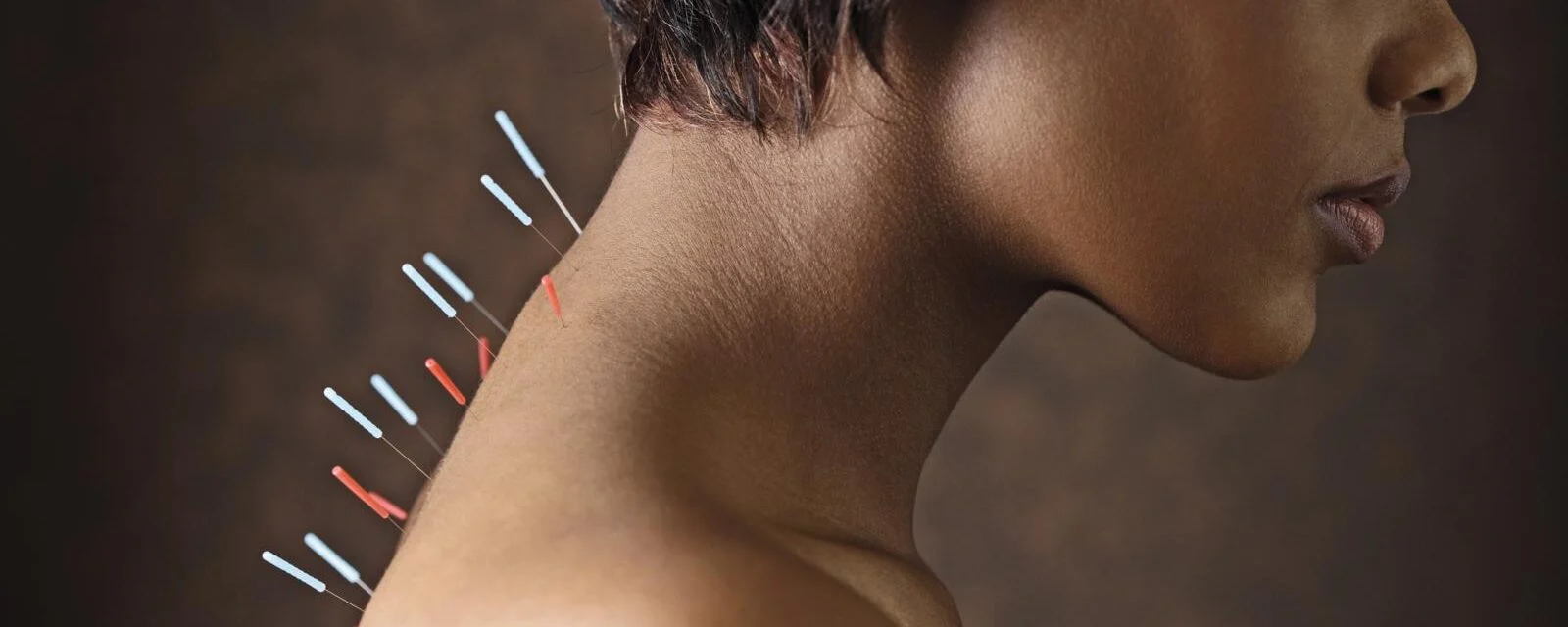
Acupuncture consists of the insertion of thin sterile disposable needles into specific points of the body, with analgesic, therapeutic or functional rebalancing purposes. According to the ancient language of traditional Chinese medicine, the needles restore the flow of “Qi”, the vital energy that flows along invisible meridians of the body. However, modern science does not use this language. Today, researchers interpret acupuncture primarily in neurophysiological terms.
The needles stimulate nerve endings in the skin, muscles and connective tissue, causing a cascade of biochemical and electrical signals that involves the spinal cord, brain, autonomic nervous system and immune system. Several studies show that the treatment can promote the release of natural analgesic substances, such as endorphins, enkephalins, serotonin, adenosine and dopamine.
Neuroimaging techniques have also highlighted changes in some brain areas involved in painful symptoms. According to many neuroscientists, the remedy could work mainly by modulating the nervous circuits that amplify chronic pain. In fact, the problem is not just the initial damage to muscles or joints. Over time, the nervous system can become hypersensitive and continue to produce painful symptoms even when physical damage is minimal.
«To give an example, in the case of chronic lower back pain», he explains Alfredo Vannaccimedical pharmacologist, associate professor of pharmacology and toxicology at theUniversity of Florence«acupuncture works by stimulating the nerve endings in the skin and muscles, activating a pain-relieving response of the central and peripheral nervous system that develops both “from bottom to top” and “from top to bottom”. The signal caused by the insertion of the needle starts from the periphery and reaches the spinal cord, reducing the transmission of pain to the brain; at the same time the brain activates descending symptom control pathways, a natural analgesic “brake” system with the release of endorphins, serotonin and norepinephrine, which reduce painful perception.”
Industry interests and the impact of the opioid crisis
It is inevitable to ask what factors have favored the new cultural climate that is more open towards acupuncture and the consequent acceleration of dedicated studies and research methodologies. It should be noted that the share of clinical drug trials financed by the pharmaceutical industry is very high. In Italy, it reaches around 89–92%. In this context, it is plausible that pharmaceutical companies have not had a particular interest in supporting research on therapies that, at least in some areas, could reduce the use of their own products.
The global opioid crisis has also contributed to the reevaluation of acupuncture. In the United States, the abuse of these types of painkillers has caused hundreds of thousands of deaths and pushed health systems to seek non-pharmacological approaches to treat chronic pain. In this context, the “science of needles” has come back under observation, not as an alternative to conventional medicine, but as a possible complementary therapy capable of reducing the consumption of “chemistry”.
Then there are demographic and economic reasons. Western societies are aging rapidly and chronic pain has become one of the great contemporary health emergencies. Millions of people live with lumbago, osteoarthritis and persistent neuropathies. Many take painkillers for years, with significant side effects: gastrointestinal problems, cardiovascular problems, renal failure, sedation and risk of opioid addiction. Thus modern guidelines are increasingly insisting on integrated approaches: physical exercise, physiotherapy, psychological support, pain therapy and complementary techniques. The goal is not to replace traditional medicine, but to reduce the pharmacological burden and improve quality of life.
Medical training and the gap in access to the National Health Service
«Acupuncture can be practiced exclusively by graduates in medicine and surgery», Giovanardi specifies, «and since 2013 there has been a defined path: after graduating in medicine it is necessary to attend courses at accredited schools with a certain amount of training hours, at the end of which you obtain the qualification of expert in acupuncture and you can register in the appropriate professional registers at the provincial medical associations».
Fisa, which represents approximately 85% of Italian acupuncturists, is preparing another guideline, developed together with oncologists, on peripheral neuropathy induced by chemotherapy. Although from 2025 this approach can also be prescribed by National Health Servicepublic structures are still insufficient: some regions, such as Tuscany, Emilia-Romagna and Lombardy, have become better organised, but in many other areas services are lacking.
«With the inclusion in the essential levels of assistance for the treatment of pain and other pathologies, from January 1st the citizen would have the right to access this care, but often still struggles to find available facilities», concludes Giovanardi.
If it is true that today acupuncture is no longer judged on the basis of its ancient or “oriental” origin, but with the same criteria with which medicine evaluates any other therapy – evidence, results and benefits for patients – there still remains a gap between the right enshrined on paper and access to care in the healthcare system.