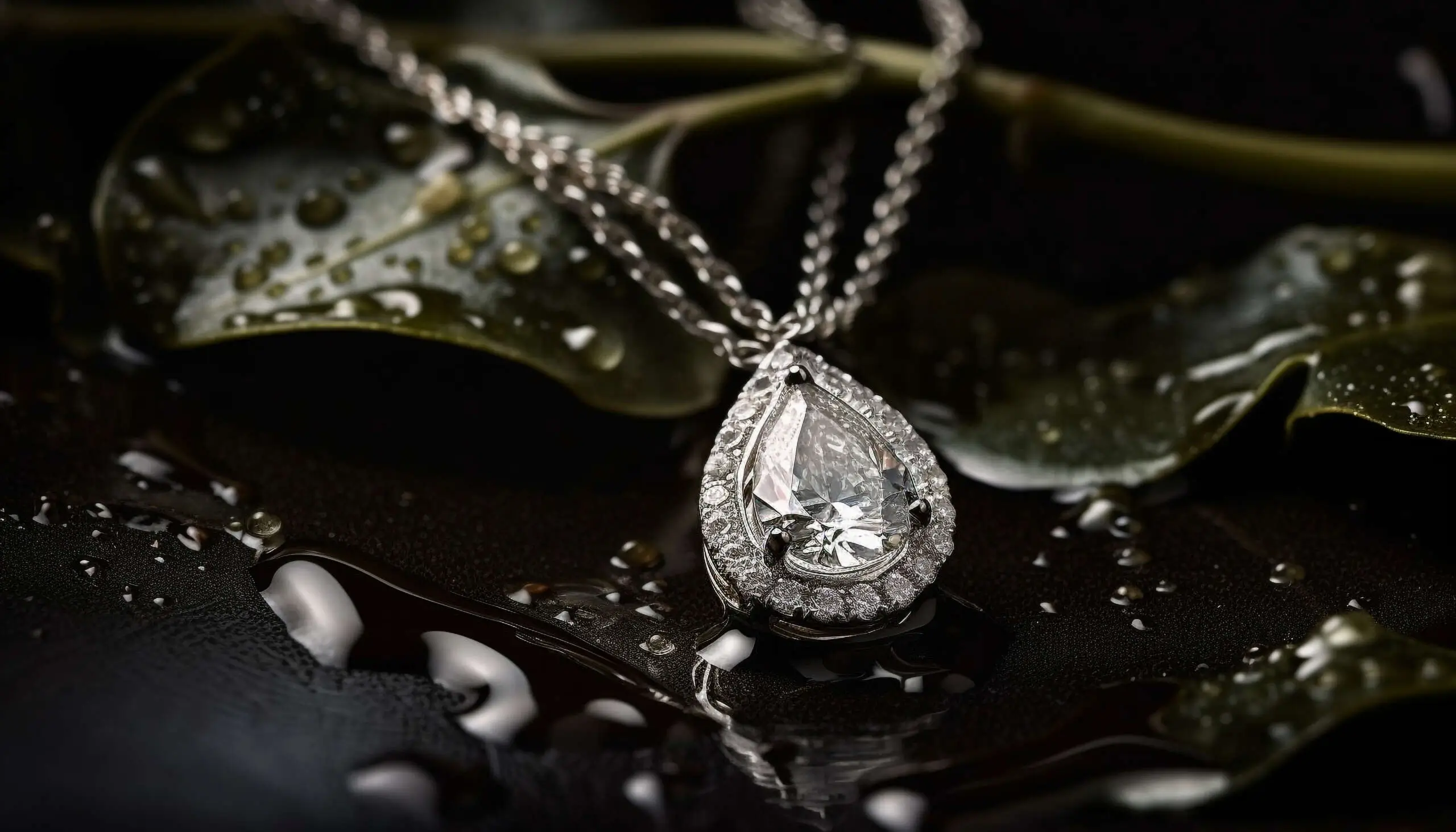
In Italy, around 150 billion euros are stored in jewels, diamonds and luxury watches. Here’s how to manage this invisible heritage
In Italy, wealth has never been just a question of current accounts and investments. For generations it has also had a more discreet and familiar form: a ring kept in a safe, a necklace received as an inheritance, an important watch passed from father to son. Objects that are not always shown, rarely sold, almost never valued, but which weigh on family assets and tell a lot about Italians’ relationship with possession, memory and prudence.
According to estimates collected by Authentica private advisory house specialized in the valuation of diamonds, precious stones and luxury watches, approximately 150 billion euros in precious assets are held in Italy. An enormous heritage, but largely invisible: because it is rarely considered as an economic component of family wealth.
For decades, the accumulation of physical assets has been a form of protection. The grandparents’ generation also bought gold, jewels or stones as a reserve, as well as as a symbol of status or affection. The important gift marked a wedding, a birth, a transition in life. Then it stayed with the family, often accompanied by stories rather than documents. Today, however, something is changing. The new generations have a less sacred relationship with material possession and they think differently about inheritance, liquidity and value in use. What for a mother was “to keep forever”, for a child can become a question: what do we do with it?
The delicate point is that a family jewel is never just an asset to be monetized. It is memory, identity, sometimes conflict. The need to understand its value emerges above all in moments of transition: a succession, a separation, the division between heirs. «Our work often begins with a very simple question: how much is it really worth?», he explains Dov Alter, CEO and co-founder of Auctenic. “But behind that question there is almost always another: what is the right thing to do with this object, respecting both its economic and emotional value?”.
The answer is not obvious. The precious metals market is difficult for a private individual to read. A gemological certificate can describe a diamond in its technical parameters, but does not coincide with the realizable value. The price depends on the market moment, international demand, the actual quality of the stone, the state of conservation, the available documentation and the channel through which it is offered.
This is where the old family drawer meets a very contemporary market. Second hand luxury is growing, fueled by sustainability, circularity and the search for unique pieces. But the market remains fragmented and often opaque. Those who sell quickly risk accepting the first proposal. Those who overestimate an asset can get stuck with unrealistic expectations. «The certificate tells what a stone is, not always what it is worth on the market today», observes Alter. «For this reason the evaluation must bring together gemological expertise, real demand and sales channels».
Auctenic intervenes in this space as a consultant, rather than as a simple intermediary: it analyzes the goods, contextualises them with respect to the market and, when the customer wishes, presents them to an international network of professional buyers. The company has provided advice and valuations to almost 10,000 clients and examined assets with a total value of more than €60 million. The decisive step, however, remains upstream: transforming a “family” object into a known, documented, interpretable asset.
Perhaps the real change is precisely this. Italians continue to guard a lot, but they are starting to question themselves more. Not everything has to be sold; not everything has to stay still forever. Some jewels deserve to be preserved, others insured, still others divided or relocated. In any case, the first step is remove them from the gray area of ”who knows how much it’s worth”. Because inside a drawer there can be a memory. But also a financial decision postponed for too long.