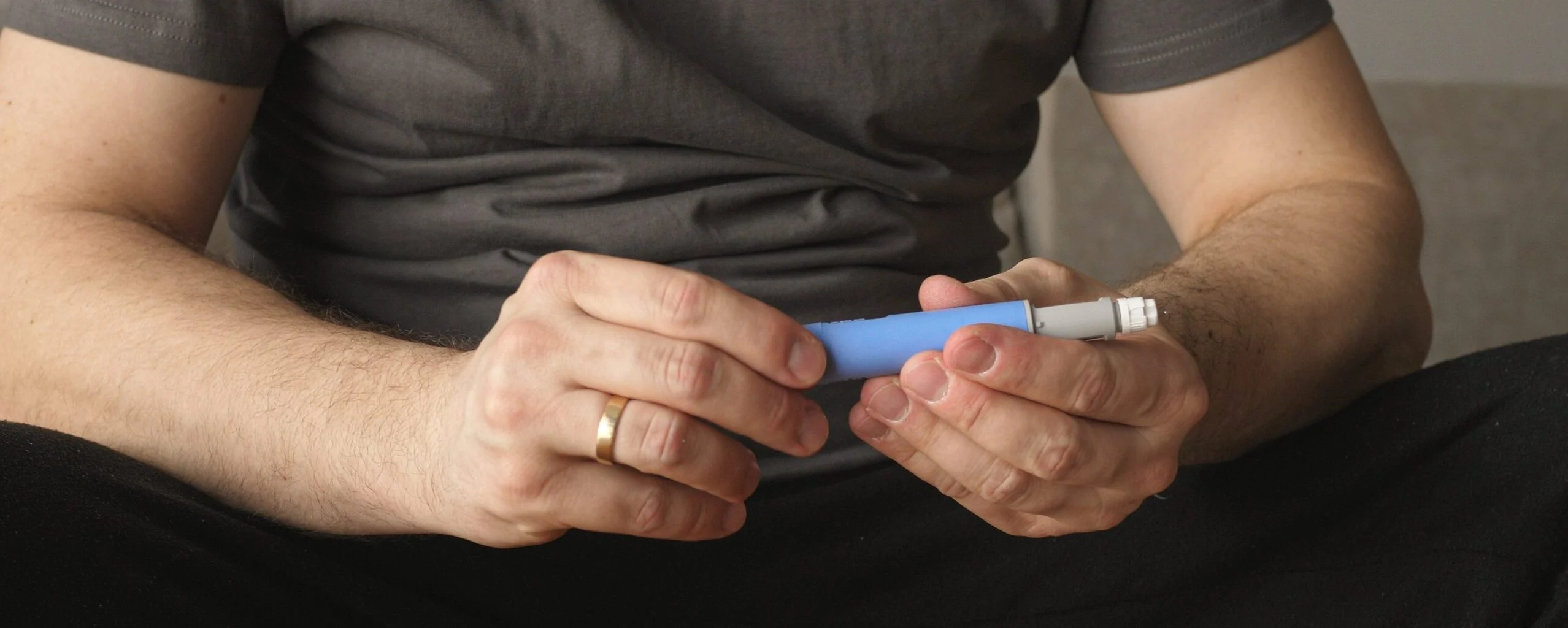
Semaglutide and tirzepatide enter the French healthcare system for the most severe cases. After the recognition of obesity as a chronic disease, pressure is growing from Italian scientific societies to guarantee equal access to innovative treatments.
For years theobesity it was considered above all a question of individual will, poor diet or lack of physical activity. Today science tells a very different story. The main international scientific societies define it as one chronic, progressive and relapsing diseaseassociated with dozens of complications ranging from type 2 diabetes at cardiovascular diseasesfrom liver diseases to obstructive sleep apnea syndrome. In this scenario, the decision announced by France risks marking a turning point for the whole of Europe. From 15 June 2026 the French healthcare system began reimbursing anti-obesity therapies based on semaglutide (Wegovy)And tirzepatide (Mounjaro) in patients with severe forms of the disease, becoming the first country in the European Union to introduce public coverage of these treatments. The measure concerns people with body mass index equal to or greater than 40or with BMI greater than 35 associated with comorbiditieswithin a rigorously controlled specialist path. The French choice does not arise only from the growing spread of obesity. Behind it there is an increasingly significant amount of scientific evidence that has demonstrated that the new drugs belonging to the family of GLP-1 receptor agonists and dual-action drugs can produce weight reductions that were unthinkable until a few years ago, in some cases approaching the results obtainable with bariatric surgery. France estimates that around one million people could theoretically fall within the eligibility criteria, although the prescription will remain subject to individual clinical evaluation and inclusion in dedicated specialist courses.
From the Pella Law to the SIO request: why Italy is looking to Paris
The French decision comes at a particularly delicate moment for our country too. Only a few months ago Italy approved the Law 149/2025also known as Pella Lawwhich officially recognized obesity as a chronic, progressive and relapsing disease. This is an important cultural and health transition. In fact, according to the most recent estimates, millions of Italians live with a condition that significantly increases the risk of developing diabetes, heart attack, stroke, kidney failure, fatty liver disease and numerous other chronic diseases. It is precisely in light of this new regulatory framework that the Italian Obesity Society (SIO) has decided to send a letter to the main health and political institutions of the country, asking for a reflection on access to innovative pharmacological therapies for severe obesity. According to the president of the SIO, Silvio Buscemipharmacological treatment today represents an essential component of the treatment of obesity and must be considered alongside the correction of lifestyle, psychological support and, in indicated cases, bariatric surgery. The central issue is accessibility. Currently, many patients who would have a clinical indication for these treatments are unable to access them exclusively for economic reasons. The costs can in fact reach several thousand euros per year and risk creating a two-speed medicine, where only those with the necessary resources can benefit from therapeutic innovations. For this reason, the SIO has prepared a technical document which proposes selection criteria which substantially overlap with those adopted in France, limiting any reimbursement to subjects with severe obesity and high risk of complications. The issue does not only concern the right to treatment. It is also about the future sustainability of healthcare systems. Obesity is in fact among the main factors that fuel healthcare spending linked to chronic diseases, hospitalizations and related disabilities
Not just weight loss: why new drugs are changing obesity medicine
One of the most interesting aspects of the debate concerns the fact that these drugs are no longer considered simply tools for losing weight. The evidence accumulated in recent years shows that semaglutide and tirzepatide produce effects that go far beyond reducing body weight. Numerous studies have documented significant improvements in the control of type 2 diabetesin cardiovascular risk reduction, renal function, liver health and the management of several conditions associated with obesity. It is precisely this broader vision that is changing the way the scientific community approaches the disease. The goal is no longer just to lose weight, but reduce the burden of complications which compromise quality and life expectancy. France has chosen to accompany the reimbursement with very rigorous criteria precisely to avoid improper use and contain costs. Initial prescriptions must be filled by dedicated specialist centres and patients must be included in multidisciplinary care programs. It’s not a minor detail. In recent years the enormous popularity of these drugs has also fueled phenomena of aesthetic use and inappropriate requestsso much so that the French authorities have recently intensified controls on commercial communication relating to anti-obesity treatments. The real challenge, experts point out, is to identify patients who can obtain the maximum clinical benefit, while avoiding both waste and inequalities of access. The question that Italy is asking itself today is therefore broader than it might seem. It’s not just about whether reimburse Wegovy and Mounjaro or not. It’s about how the NHS plans to tackle one of the great epidemics of the 21st century. France has decided to take the first step. Now the debate is moving beyond the Alps. And after the recognition of obesity as a chronic disease, our country will have to establish whether the right to treatment should also include access to therapies that are changing the natural history of the disease. A decision that could influence the health of millions of people for many years to come.