It is one of the rarest metals in the world and costs over 2,300 euros per gram: all about crystalline osmium, the densest element on Earth
In the rich panorama of rare metals there is an element that combines the resistance of a diamond with a scarcity comparable to that of the rarest elements on our planet: it is called osmiumand is one of the most expensive metals in the world.
The unique characteristics of osmium
This item is a transition metal of the platinum group. Its most impressive characteristic is its density: crystalline osmium is in fact the densest stable chemical element existing in nature.
To give an idea, a small cube comparable in size to a sugar cube can weigh almost as much as a smartphone.
Raw osmium, however, is dangerous: it tends to oxidize, forming osmium tetroxide, a highly toxic and volatile gas. It is a characteristic that has historically made this element difficult to handle and unsuitable for common uses.
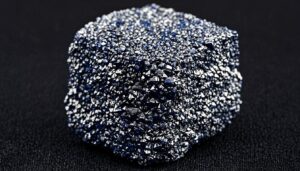
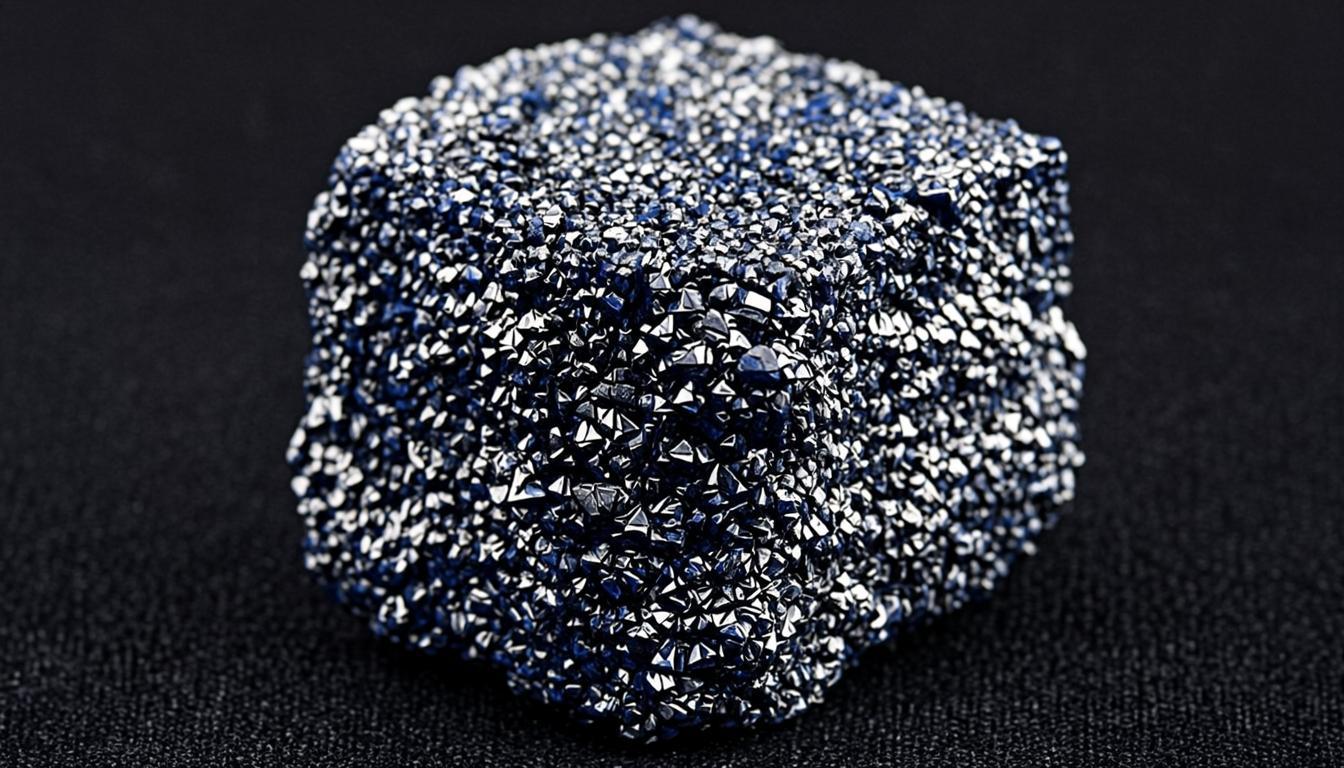
However, through a complex crystallization process at very high temperatures developed in Switzerland, its atomic structure changes profoundly. The material becomes unalterable, harmless and capable of reflecting light with a silvery-blue brilliance superior to that of diamond.
What makes osmium even more special is its rarity. It’s the rarest non-radioactive metal in the earth’s crust and is mined as a platinum by-product of just a few hundred kilos per year globally.
There are no dedicated mines and its availability depends on the processing of other precious metals, which makes every gram a small geological and economic event.
Its uses
In everyday life, crystalline osmium has no mass applications, and this is part of its charm. Its main use is in high jewelery and luxury watchmaking, where it is used as glittering surfaceas an alternative or in combination with diamonds.
Its cold and intense brilliance, together with its resistance over time, allows you to create inserts and decorative details which do not go unnoticed. It is not an easy metal to work: the hardness and fragility require specific skills, but the result is a rare object even in the world of luxury.
Alongside ornamental use, crystalline osmium has established itself as safe haven asset from investment. Its absolute rarity, very limited production and the practical impossibility of counterfeiting it make it a collector’s asset.
Authenticity can be verified through crystal structure analysis, making it much more difficult to imitate than many traditional precious metals.
Whoever buys it, in addition to buying a precious material, obtains an extremely rare fragment of matter, whose supply cannot be increased quickly not even in the presence of strong demand.
More expensive than diamonds
Given the unique characteristics and rarity of crystalline osmium, it goes without saying that even in its economic cost this metal shows all its exclusivity.
Its price, according to the price lists of international certification institutes, exceeds 2,300-2,400 euros per gram, making it over twenty times more valuable than pure gold.
This is a value which, in terms of price per gram and geological rarity, places crystalline osmium above many gems traditionally considered the height of luxury, diamonds included (except, of course, for exceptional specimens).
Crystalline osmium has a characteristic that few other raw materials can boast: it is simultaneously a industrial metala aesthetic object and one store of valuewith an annual production of a few hundred kilograms and a demand potentially much higher than supply.
It is precisely the combination of density, extreme rarity, crystallization process and brilliance superior to diamond that explains why osmium (in raw and crystallized versions) is today considered not only one of the most expensive metals in the world, but also one of the most fascinating frontiers of collecting and investing in rare materials.