A new WhatsApp scam is hitting Italy: the message asks to vote for a dancer, but it serves to steal accounts and personal data. Here’s how it works and how to defend yourself
In recent days, cybersecurity experts and law enforcement agencies across Italy are sounding a new alarm: up WhatsApp a scam has broken out which, with an apparently harmless pretext, aims to steal accounts and personal data and then exploit them for criminal purposes. The phenomenon has been reported in the main Italian cities, from Bergamo to Tuscany, and does not even spare family networks or close friends, precisely because the message comes from contacts already saved in the address book with extreme credibility.
The deceptive tale: vote for the dancer
It all begins with a message that, at first glance, seems harmless and even charitable: «Hi! Please vote for Alessandra/Federica for this dance competition – she is a friend’s daughter and winning would change her life!
It is often attached to the text a photo of a girl dressed as a ballerina and a link to a professionally designed web page, specifically built to appear trustworthy. The site then invites the user to enter your telephone number and a WhatsApp verification code received via SMS, apparently necessary to confirm the “vote”. In fact, this code is the key to taking over the victim’s account.
From simple click to identity theft
Once they have the verification code, scammers are able to: associate with the victim’s WhatsApp accountinterrupt legitimate access, read private conversations and above all send the same scam message to all your saved contacts to multiply the victims. A true digital contagion,
This mechanism doesn’t just affect the first person who clicks: by exploiting the trust between friends and family, the chain feeds itself. Those who receive the message from a known contact are much more likely to trust and repeat the error.
When the request for money arrives
In some variations of the scam, after taking control of the account, criminals start asking money to the victim’s contacts faking sudden emergencies: for example, a medical expense, an urgent problem, or a promise to repay the sum within a few hours. According to some reports in the rest of Europe, these requests can reach up to several hundred euros.
Why does it work so well?
Cybersecurity analysts define this type of attack as a advanced form of relational smishing (phishing via messages). This is not a generic message sent to thousands of random numbers: the danger here arises precisely from the fact that the message seems to come from a trusted contactwhose identity has been compromised. This greatly lowers the user’s suspicion barriers.
The Italian authorities and the safety councils
In recent months the Postal Police, together with numerous newspapers and various cybersecurity experts, has repeatedly drawn attention to some common sense rules which remain fundamental for defending against digital scams. First of all, the need to never click on suspicious links is reiterated, even when the message seems to come from a known number or contact. Likewise, verification codes or OTPs received via SMS should never be shared, tools that represent one of the main keys to accessing personal accounts.
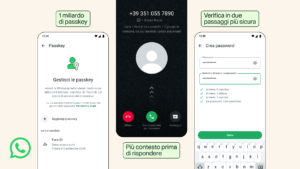
Specialists also recommend always activating two-step verification on WhatsApp, setting an additional security PIN, and taking the time to verify any anomalous requests with a direct call to the person who sent the message. Measures that may appear simple or obvious, but which in most cases are sufficient to unmask and block even the most sophisticated scam attempts.
A growing phenomenon
The “dancer scam” is not an isolated case: it is part of a panorama of increasingly sophisticated digital frauds, which exploit the psychology of low risk and trust in personal messages. With the popularity of WhatsApp (used by over two billion people worldwide), cybercriminals find fertile ground to experiment with new deception techniques.
It remains essential to maintain high attention and remember that, just as in the physical world, prudence can save us from very real risks.