It is now well established that ultra-processed foods cause pathologies in adults and children. Yet the European Union takes issue with products of the Mediterranean diet such as wine, Parmesan and ham.
The Dietary State desired by Ursula von der Leyen it stops at the gates of multinationals. As is known, the BeCa, the EU anti-cancer document copied slavishly from that of the WHO, where the influences of large industrial groups are equal to those of Big Pharma, is widespread in describing wine as a potentially deadly poison, ham as an attack on health, but little, indeed very little, says about the so-called ultra-processed foods. The political and economic reason that guides Brussels is more than evident: to shift resources from agriculture – and therefore from food sovereignty – to investments in armaments, to encourage food substitutes in the belief that we can obtain supplies abroad of what we need to nourish ourselves.
The cuts announced at Community agricultural policy – it’s a hit of around 30% equal to 100 billion in six years – are going in this direction. Eat, dear Europeans, everything that does not come from the fields. Against this vision first Francesco Lollobrigidawith the support of all the agricultural associations, and then personally Giorgia Meloni they took sides in the very recent European Council which discusses the next community budget on which there is no agreement between the 27 divided between frugal (led by Germany, who want cuts) and pro-cohesion, led by Italy who defend agricultural, rural and territorial development funds.
The overturned verdict from Brussels between green lights for industry and slaps for excellence
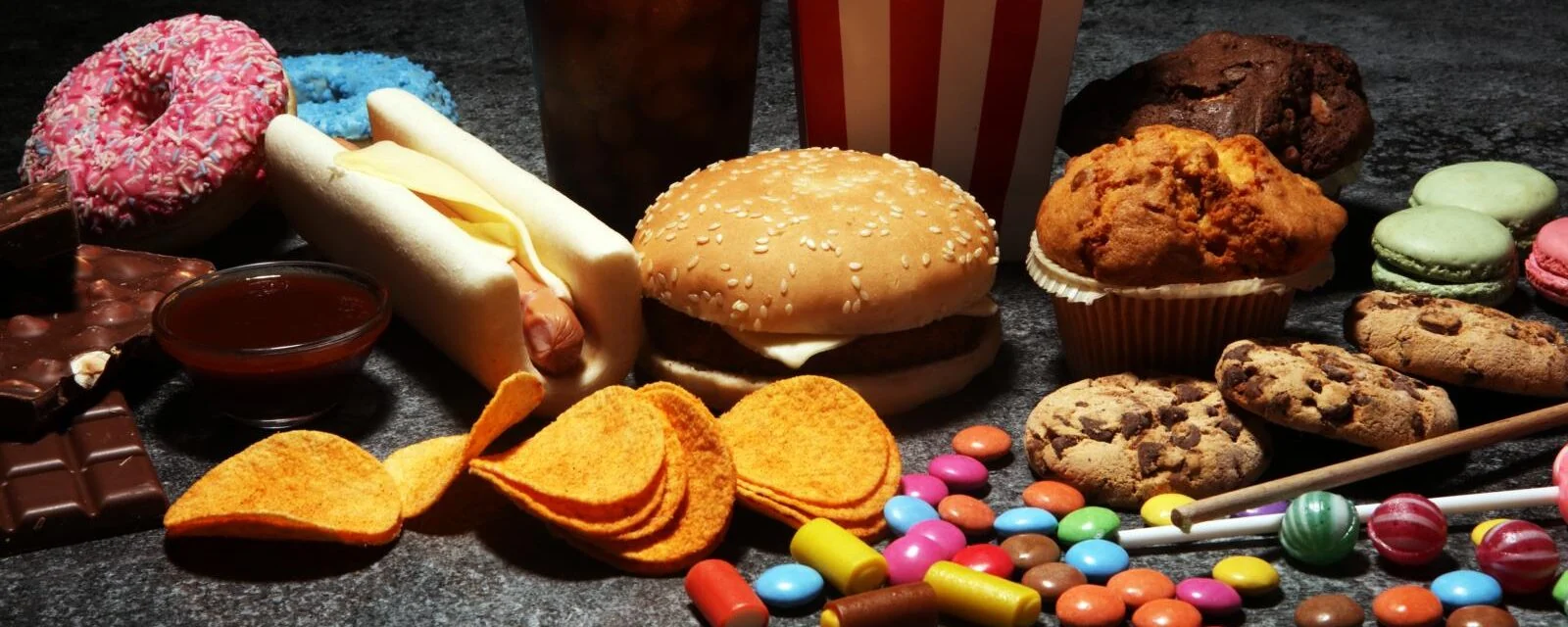
In this context, Von der Leyen’s Dietary State approves chips and rejects them Parmigiano Reggianosays yes to energy drinks, but penalizes Brunello di Montalcino with an implicit attack on Mediterranean diet UNESCO heritage. Here we are talking about a lot of money, putting the health of citizens at stake.
To understand this, it is enough to refer to a rather “clandestine” document circulated a couple of years ago in which Emanuele Marconi, former director of the Crea food and nutrition research centre, therefore a government center in conflict with the line of the Minister for Agriculture and Food Sovereignty, argued that “we need to curb the use of this terminology and bring together all the industrial forces” because “despite the FAO – of which the former agricultural minister is deputy director Italian Maurizio Martina – accepting the Nova classification and some guidelines for healthy eating promoted by some European and non-European countries recommend limiting the consumption of ultra-processed products, it seems completely inappropriate to include this recommendation in public health policies”.
In fact, in the Commission documents the reference to ultra-processed foods It’s very nuanced. Turnovers beat health. Just to give you an idea, in Italy 6 thousand tons of French fries are consumed: the three main brands have a turnover of 652 million euros. Total revenues from savory snacks amounted to 921 million. Snacks, on the other hand, have a turnover of 1.4 billion and 72% of Italian families usually consume them for a total of 192 million kilos.
The turnover of ready-made sauces is close to half a billion, but we consume 180 million of mayonnaise alone to accompany 72 million kilos of frankfurters (worth 315 million). The market for elaborate baked goods and between-meal snacks is worth 7.9 billion euros (of which 80% are sweet products with a boom in vending machines: +6.7% turnover in the last year), ready meals consumed in Italy are worth 3.2 billion euros with a market that has grown by 254% in ten years and there is the explosion of energy drinks of which 75 million liters are drunk.
Scientists warn against hyper-palatable industrial formulations
The general secretary of the Coldiretti – one and a half million associated companies – Vincenzo Gesmundo it therefore plans to launch a class action against these foods just as the spread of synthetic meat has been stopped. The comfort to this position comes from the doctors. Carlos Augusto Monteiro, creator of the Nova classification – divides foods into four groups according to the transformative processes they undergo, verifying their impact on health and metabolism – is one of the most successful epidemiologists in the world and at the Coldiretti Forum he stated: «Ultra-processed foods are designed to be hyper-palatable, to be irresistible, substances obtained from high-yielding crops are used for this purpose, such as corn, soybean, wheat and sugar cane which allow the costs of the ingredients to be reduced and the margins. Colorants, flavorings and other additives then allow these bases to be transformed into products capable of imitating the flavour, appearance and consistency of foods.”
The EU doesn’t even want to hear about the Nova classification system which goes against industrial interests, while the Nutri-score – the traffic light label that promotes chips and takes issue with extra virgin olive oil – created by the Frenchman Serge Hercberg, who is so popular with multinational nutrition and large-scale retail trade companies, in Brussels they fell in love. It is necessary – both Professor Antonio Gasbarrini of Gemelli and Professor Alberto Villani pediatrician of Bambin Gesù argue – to create a barrier against the spread of non-communicable diseases linked to poor quality and irregular diet.
In particular, Villani underlines: «Talking about chronic diseases in the developmental age until two decades ago seemed like science fiction and instead today we are faced with an ever-increasing incidence of heart disease, the onset of diabetes, and growth imbalances due to poor nutrition».
The estimates by Carlos Augusto Monteiro published in the Lancet do not leave much room for doubt: the excess consumption of ultra-formulated foods (from snacks to energy drinks, from pre-cooked foods to snacks) leads to an increase in type 2 diabetes by 25%, depression by 23%, generates overweight and obesity with an increase of 21%, cardiovascular mortality increased by 18%. In Italy approximately 19% of children between 8 and 9 years old are overweight and 9.8% are obese and this is only a very partial figure. To the point that the Minister of Health Orazio Schillaci underlines: «After Covid we have returned to being the second longest-lived country in the world and this is largely due not only to the absolute professionalism of our healthcare workers but also to the use of the Mediterranean diet: it is essential for prevention that we return to foods according to the countryside: after all, Censis tells us that for 90% of Italians the Mediterranean diet is the one to follow».
From the cart traps to the inevitable return of the campaign
However, there is an enormous distance from intentions to facts. According to theHigher Institute of Health only 5% of adults follow it regularly and 84% have a moderate adherence to the “Mediterranean”. Yet, again according to Censis, three out of four Italians say they have been deceived at the table by unhealthy ingredients or foods that come from abroad without rules of reciprocity with national quality, while two out of three Italians would like ultra-processed foods to be banned from schools and hospitals even if only 49% check the ingredients of industrial savory snacks, 46% do so for snacks, 45% for sweets and sweets and 41% for bars protein drinks and only 26% for energy drinks.
As he says Ettore Prandinipresident of Coldiretti, this is not a campaign battle against industry, but about providing consumers with correct information and increasing awareness that health depends on good food.
As the Aletheia research center warns, in Italy 13 billion euros are spent every year to treat non-communicable diseases. Alternatives like the synthetic meat and the insects failed. Believer Meats and Meatable, the two largest companies that wanted to produce cell-replicating steaks, blew up, as did Beyond Meat, which develops plant-based meat. is in serious crisis. Italian Cricket Farm, Ynsect, Fuccib Italia, to name a few, have recognized that doing business with insects on your plate is difficult.
Although the European Union has tried in every way to finance and encourage alternative foods. It is therefore better to do your shopping in the countryside, eating foods with few natural ingredients as the Mediterranean diet preaches. The deception at the table evidently didn’t help.