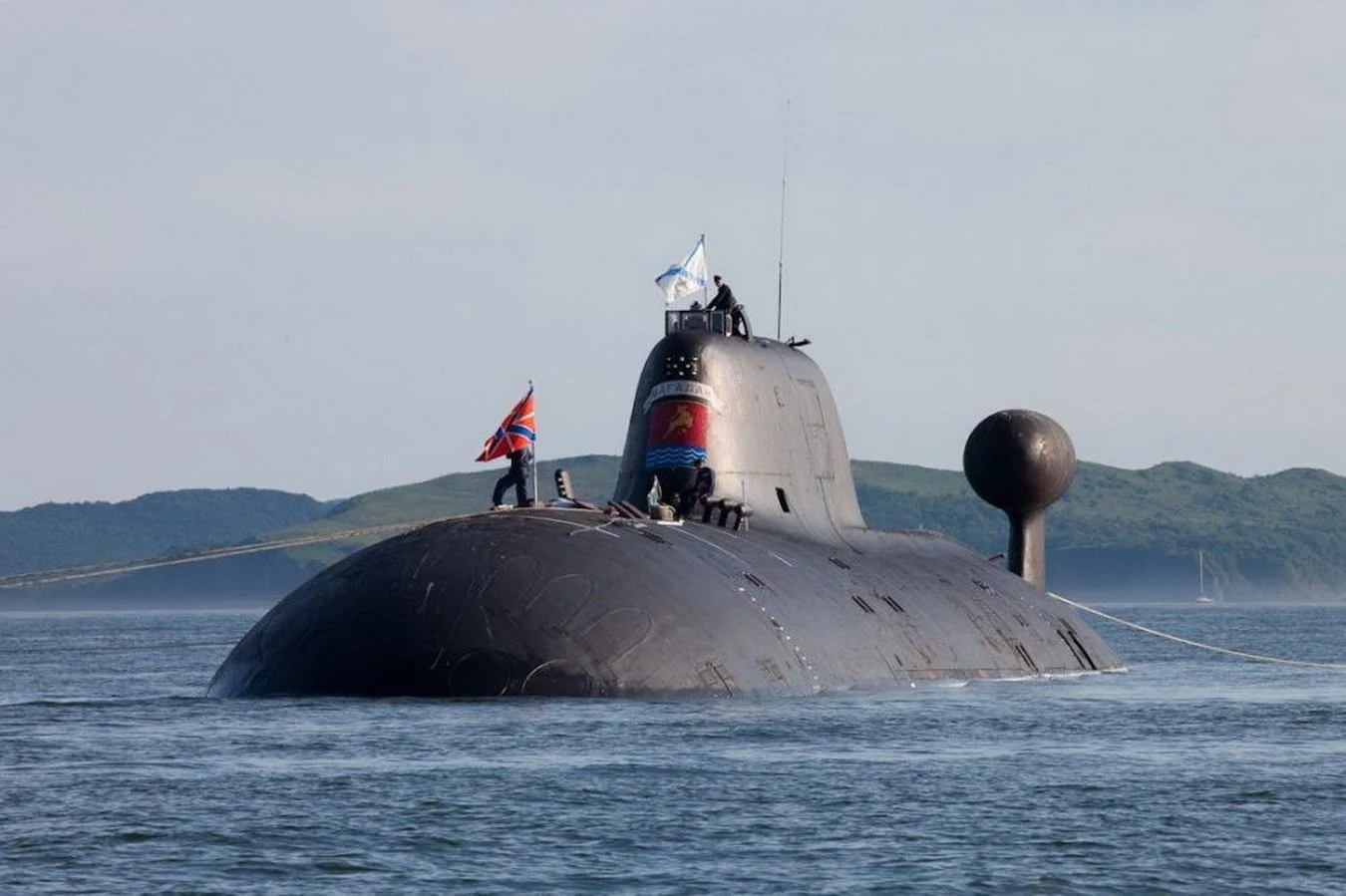
Tasked with spying on submerged communications infrastructure, Moscow’s submarines are wanted by the navies of NATO countries. Even in the Mediterranean
Since the times of the Cold War, one of the recurring nightmares of the Western world in terms of defense is that enemy submarines, especially Russian ones, are sailing beneath the surface of our seas. We are not alone, even Moscow knows perfectly well that NATO carries out the same type of operations and that all this is part of the game. A few days ago, precisely on April 9, the United Kingdom Ministry of Defense disclosed some details relating to an operation conducted in the areas of the British archipelago which aimed to find a Russian Akula-class nuclear submarine. Hunting him down were some surface and air naval units that detected the presence of a pair of mini submarines” from the Gugi unit based in Olenya Guba, on the southern coast of the Barents Sea, often engaged in the surveillance of submerged infrastructures. It seems that the Akula had also traveled multiple routes in the Mediterranean and was then also detected and followed by Norwegian ships while sailing submerged near the limit of British territorial waters. Thus the British forces foiled what they believe to have been a secret operation by the Russians in the English Exclusive Economic Zone whose aim would have been to create a diversion to divert attention from the submarines of the Russian special unit Gugi, engaged in interception activities on critical underwater infrastructures. The British Defense Minister John Healey, during a press conference held on April 10, declared: “To President Putin I say this: we see your activities on our cables and pipelines; please know that any attempt to harm them will not be tolerated and will have serious consequences.” To track the Akula an RAF P-8 Poseidon maritime patrol aircraft, together with aircraft from other nations, flew for over 450 hours, while a frigate traveled several thousand nautical miles. In total, the tracking operation involved around 500 British military personnel. As expected, the Akula submarine then withdrew while UK forces continued to monitor the course of the Gugi’s two submarines in British territorial waters and surrounding areas. Healey pointed out: “Our Armed Forces left them in no doubt that they were under observation, that their movements were not secret and that their attempts at covert operations had been exposed.” Following Healey’s announcement, Norwegian Defense Minister Tore Sandvik said that in recent weeks one of their P-8 aircraft had also observed Russian Gugi conducting activities in Norwegian and British waters: “This demonstrates Russia’s continued efforts to develop capabilities for mapping and potentially sabotaging Western critical infrastructure. Such actions underline Russia’s desire to threaten Norwegian and allied interests. We have made it clear to the Russian authorities that any attempt to target our critical infrastructure will be detected and will have serious consequences. It is in no one’s interest to exacerbate tensions in the Far North.” On the British front, the Royal Navy announced that it had completed 10 days of monitoring operations of Russian warships and a submarine as part of coordinated NATO efforts. This is nothing new, and Moscow missions often occur in the Mediterranean too: in September 2025, the Russian Kilo-class submarine “Novorossiysk” suffered a serious fuel leak and was forced to surface near the Strait of Gibraltar due to the risk of explosion. The vessel, capable of carrying Kalibr cruise missiles, was returning to the Baltic Sea from the Mediterranean when its diesel fuel system failed, resulting in a loss of fuel in the hold. The accident had highlighted the aging state of the Russian navy and the serious limitations in maintaining long-term deployments and in remote areas, probably as a result of the losses suffered in the Black Sea and the lack of maintenance facilities.