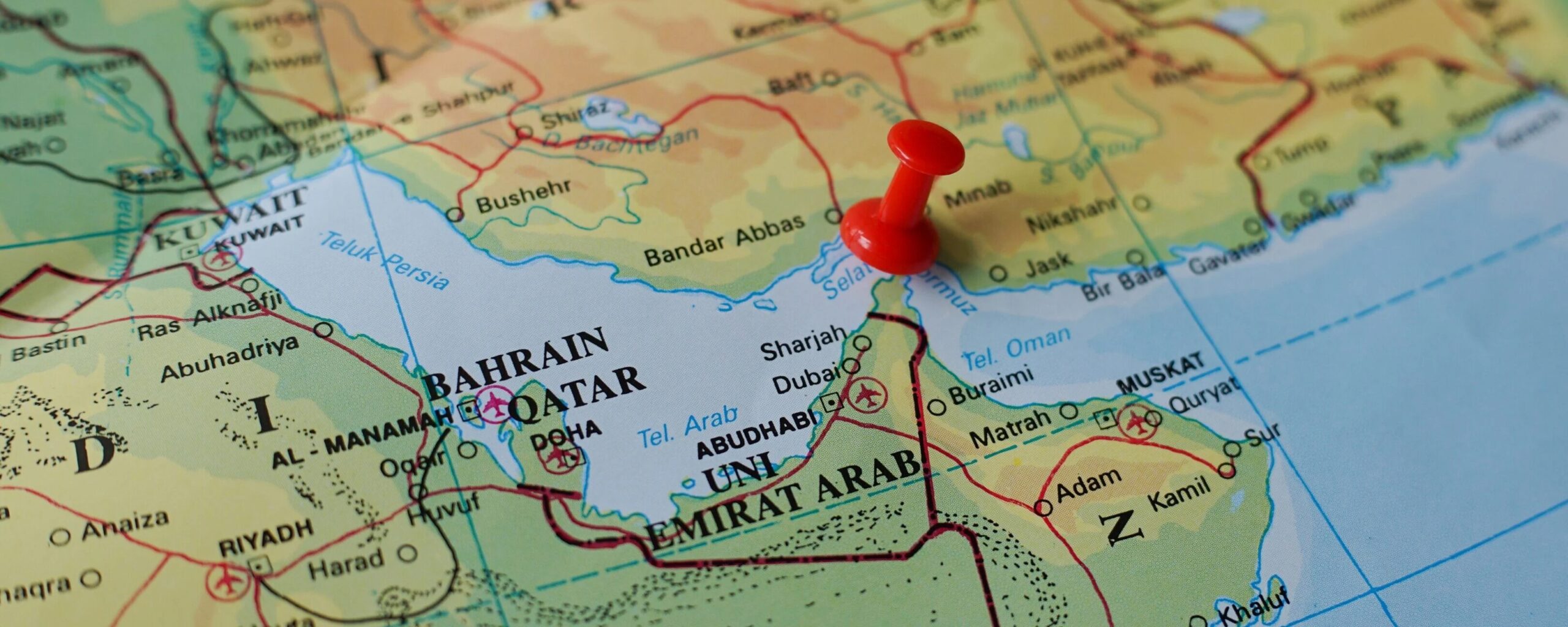
Trump and Iran announce the reopening of the Strait. Meanwhile, work is underway on a diplomatic agreement that will resolve the issue of enriched uranium
Perhaps the Iranian crisis is really starting to unblock. “The Strait of Hormuz is fully open and ready for transit, but the naval blockade will remain in full force against Iran, only until our negotiations with Iran are fully concluded. This process should proceed very quickly, as most of the points have already been negotiated,” Donald Trump said on Truth. “Iran has agreed never to close the Strait of Hormuz again. It will no longer be used as a weapon against the world!”, he added.
The American president then thanked Pakistan, Qatar, the Emirates and Saudi Arabia, before returning to complain about the lack of help received from NATO on the Hormuz issue. “Now that the Strait of Hormuz situation is over, I got a call from NATO asking if we needed help. I told them to stay away unless they just want to load their ships with oil. They were useless when they were needed, a paper tiger,” he said. “Iran, with the help of the United States, has removed, or is removing, all sea mines,” he continued. “In line with the ceasefire in Lebanon, the passage of all commercial ships through the Strait of Hormuz is declared completely open for the remaining period of the ceasefire”, stated, for his part, the Iranian Foreign Minister, Abbas Araghchi, while, according to sources in Tehran, the passage would be allowed exclusively to commercial ships subject to approval from the regime’s military forces.
Although Trump claims that the two dossiers are not connected, the reopening of the Strait came the day after a ceasefire was reached between Israel and Lebanon. “This agreement is in no way subordinate to the Lebanese issue, but the United States will work separately with Lebanon and address the Hezbollah situation appropriately. Israel will no longer bomb Lebanon. The United States has forbidden it. Enough is enough!”, declared the American president.
Tehran had always linked the Lebanese question to a possible agreement with the United States. On the other hand, the negotiations between the Iranians and the Americans last Saturday in Islamabad were mainly stuck on two points: Hormuz and the enriched uranium in the hands of the Khomeini regime. If the first knot now seems about to be definitively resolved, some unknowns still hover over the second. According to AxiosWashington and Tehran are reportedly working on an agreement on the basis of which the ayatollahs would cede their uranium stockpiles and, in exchange, the White House would release 20 billion dollars of currently frozen Iranian assets. However, Trump appeared to deny the newspaper’s revelation. “The United States will take all the nuclear ‘dust’ produced by our fantastic B2 bombers. There will be no exchange of money, in any shape or form,” he declared. On the other hand, Iran has not yet confirmed that it will deliver its uranium supplies to the US.
We will see how the situation develops in the next few days. However, despite the difficulties, it is quite clear that the Iranian diplomatic process is gaining momentum. For Trump this is good news. First of all, the president urgently needs to lower the cost of energy: which for him is functional to strengthening the Republican Party in view of the Midterms of November. Second, the White House tenant needs to avoid getting bogged down in Iran with costly operations nation building. In this respect, the possible achievement of a diplomatic agreement with Tehran could significantly help him. Finally, Trump, from his point of view, must strengthen US influence on the Middle Eastern chessboard in an anti-Chinese way: it is also from this perspective that the White House reads the potential resolution of the Iranian crisis (especially with regards to the energy dossier).