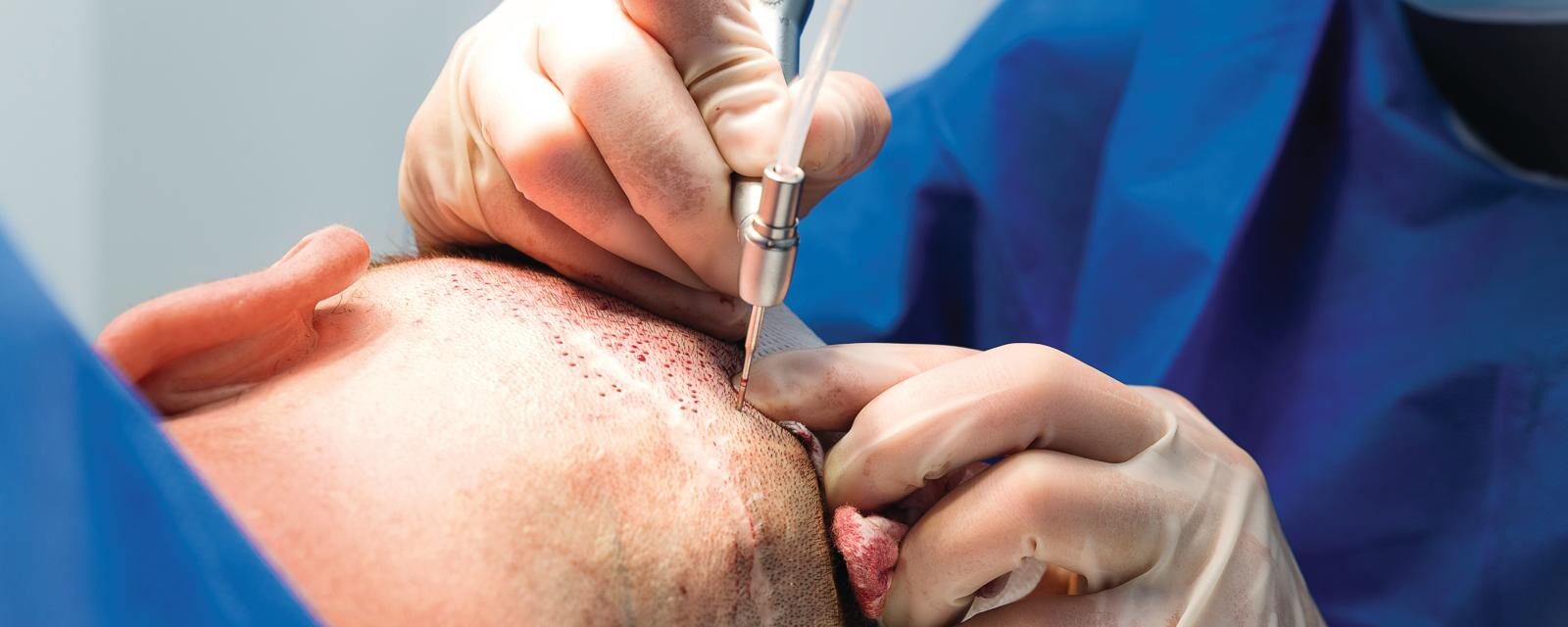
For some time now men have had a devil in their hair. Since the trend of thickening against baldness has spread, a frenzy has erupted. There are few who flaunt a head from “billiard ball”. It would serve the charm of Yul Brynner which made it a distinctive feature, but who can afford it? All it takes is a stopover at Istanbul airport to come across veritable hordes of males, often accompanied by their girlfriends or with families in tow, bundled up with turbans. And I’m not Sikh. They flaunt the headgear, which hides the recent surgery, with bold pride.
From Berlusconi’s bandana to social normalization
It seems like a century has passed since 2004 Silvio Berlusconi he moved the summer by welcoming Tony Blair with a bandana on his head. Then the photo went around the world while Clemente Mastella and Roberto Calderoli ironically prophesied: “You’ll see, in September the prime minister will show off a new, thick hair.” Allegations never confirmed. Now managers pass the names of surgeons between one board of directors and another, well-known faces from politics, industry and sport reveal without hesitation the “touch-up” on their heads gratified by the likes on their Facebook profile. And those who cannot afford the starred studio in Italy, fly to Istanbulwhich has become the destination for low cost operations.
A billion dollar market
Confirming the boom are the data from Medihaira platform specialized in monitoring the sector. Globally, the hair transplant market is worth approximately 9.5 billion dollars and projections indicate that it could exceed 15 billion by 2030with a growth rate of more than 6 percent.
In 2021, only in Europe, they were carried out 358 thousand interventions. Italy is among the countries where the phenomenon is growing the most.
Because everyone loses hair
It is a sector that is based on an incontrovertible fact: beyond the80% of men and the 25% of women suffer from hair loss throughout life. Creams and lotions are not enough, the results are modest and temporary. For a solution definitivemany choose the scalpel.
Türkiye: the Mecca of low-cost transplantation
With 2,500-3,000 euros in Türkiye you can also get the “Bob Marley” version, while in Italy they are expensive 6-8 thousand euros.
This difference has fueled dynamic health tourism. In 2024 beyond a million people would have flown to Istanbul generating an income greater than billion dollars. Agencies and “all-inclusive” packages are popping up like mushrooms.
VIPs, footballers and actors: global customs clearance
The ease with which many public figures spoke about the intervention normalized the practice. Former footballers like Rooney, Casillas, Beckham, Count.
Actors like Brendan Fraser, John Travolta, George Clooney, Mel Gibson, Matthew McConaughey.
The Bieber, Musk and Bezos case
The photos are going crazy on the web before/after and the comments of the “experts”.
The debate about Justin Bieberthe assumptions about Jeff Bezosphotos of Elon Musk with reborn hair. All amplified by TikTok and Instagram.
Between turbans and millionaire investments
There are those who like it Andrea Ruggieri he openly declares «I had the transplant».
And who, how Cristiano Ronaldoentered the business: he owns the 50% of Insparyaa group specializing in hair transplants, with 15 centers in Portugal, Spain, Oman and Italy.
The new frontier: hair regeneration
Alongside transplants, the healthcare sector is growing regenerationwhich is worth more 8.7 billion dollars:
– finasteride And minoxidil
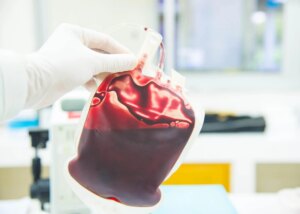
– PRPplatelet-rich plasma
– low intensity laser devices
The downside: risks, scams and failed interventions
The explosion in demand has favored interventions carried out by not doctorswith complications and disastrous results.
There Clinique Lutétia in Paris reports that the 30% of its activities is now dedicated to repairing failed transplants.
In Italy clinics must comply with strict protocols but in around 2024 12% of transplants it has generated serious dissatisfaction.
There is no certain data on the risks of low-cost tourism, but there is no shortage of tragic news cases.
Yet the flow continues, in search ofeternal youth.