We breathe incessantly, yet perhaps we have been doing it wrong all our lives. Is it possible that man has sequenced the genome, built “vaccines” against cancer, defeated diseases that only a little over 10 years ago seemed doomed, and at the same time continues to ignore the ABCs of breathing? Apparently yes. A book just released in Italy, signed by the doctor and former freediving world record holder Mike Maricfrom the title Illustrated atlas of breathing, 100 practical exercises for adults and childrenopens up a world to us on a topic that has so far been almost completely ignored, suggesting that many of our problems such as anxiety, insomnia and even some sexual dysfunctions are – also – the result of this natural and primitive gesture, which however we perform poorly.
If breathing can be trained, and using it more efficiently makes us healthier, why has no one (or almost no one) ever told us this before? “For a long time, in Western medicine, breathing was considered just a simple physiological mechanism,” he explains Mike Maric. «In reality today we know that this is not the case. In the last decade, research, thanks to tools that allow us to measure what previously seemed only intuitive, has focused on demonstrating that conscious breathing modulates stress and emotional regulation. We know, for example, that this movement directly influences the cardiovascular system through heart rate variability and that it can modulate neurobiological processes involved in brain health. This means that we are no longer just talking about a diagnostic or therapeutic tool, but also about a true preventive indicator. In a certain sense, Western medicine is confirming with measurable data what many Eastern cultures had intuited for centuries.”
The turning point of Western medicine and the measurement of well-being
This explains the great success of disciplines such as meditation and yoga, where breathing is also of fundamental importance for relieving tension and stress, as well as the flourishing of influencers who “teach” techniques for relaxing on all social media by learning to manage breathing: in a culture that tends to scientifically quantify everything based on algorithms and guidelines, there is no doubt that what belongs to the dimension of perception, self-regulation and the relationship between body and mind exerts a great attraction.
«Breathing well is not just about daily comfort: it is an element directly linked to the quality of life» underlines a Panorama the professor Francesco Blasidirector of Pneumology of theIRCCS Policlinico hospital of Milan. «Just think of one of the most accurate measures of respiratory function, that is Vems: the volume of air that a person manages to expel in the first second after a deep inspiration, verifiable with a spirometry test. This parameter is closely related to survival: it means that adequate respiratory function is not only important in patients with lung diseases, but represents an indicator of general health.”
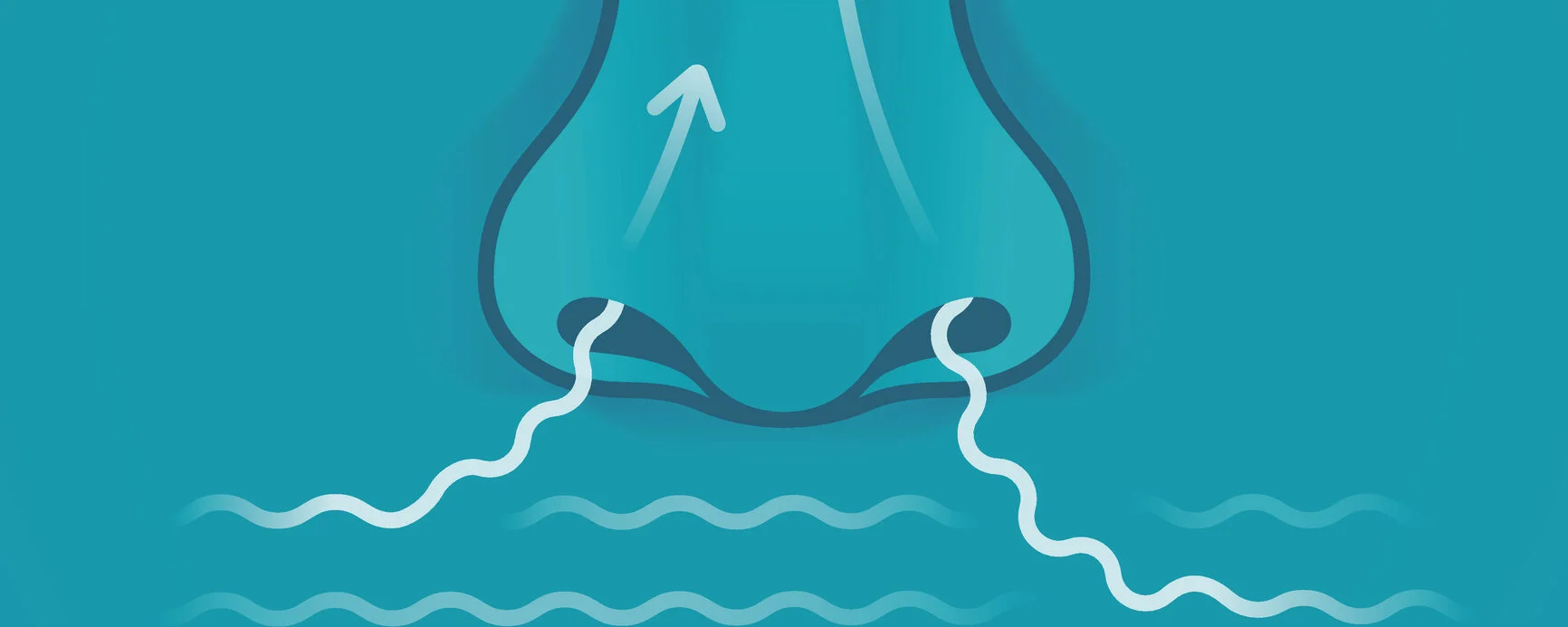
First of all, to extract the best we could desire from our lungs, we need to re-evaluate the classic calls of our mothers: we must inhale through our nose, and not through our mouth. Not so much for an aesthetic and stylistic question, but precisely because science leaves no room for doubt. “There nasal breathing it is fundamental because it allows filtered, humidified and heated air to be brought to the lung” he continues Francesco Blasi. «The nose performs a natural barrier function: it intercepts particles, allergens and microorganisms, while the nasal mucosa and first responder immune cells constitute a first level of defense. This is important for everyone, but particularly for asthmatics, in whom mouth breathing can represent an additional irritating stimulus for the airways.”
From the 365 method to the illusion of social networks
But in this atlas of Mike Maricalso aimed at children so that they understand the importance of breathing correctly from an early age, there are many useful and even fun exercises to optimize the use of the lungs – “sloth” breathing to relax, “superhero” breathing to give yourself more energy, and so on – and also a handbook on what and how to do when you realize you are falling prey to anxiety and panic. «Breathing represents the main form of self-control that human beings possess and is the modulator of our emotions and our internal states» says the author again. «Learning to control it means dominating our emotional states, preventing or managing the moments of greatest difficulty in the best way. One of the most useful exercises is the so-called “365 method“: three moments a day, six breaths per minute, for five minutes. In practice you must inhale for five seconds and exhale for five seconds, maintaining a slow, regular and balanced rhythm. It is a respiratory training scheme with neuro-cardioprotective effects: it improves cardiac variability and increases the ability to manage stress”.
And there is also a chapter dedicated to the delicate relationship between breathing and sex: the synchrony that is created during the lovemaking act, therefore the respiratory coordination between partners, in fact has a strong excitatory effect. But around this idealization of breathing, of exercises to ward off panic and stress and of a whole narrative that is certainly fascinating but also at times a little too focused on fashions, trends and social media “likes”, there are also critical voices. «Be careful not to confuse daily anxiety, which belongs to common experience, the examination, the questioning, the tension in front of an important event, and the anxiety disorder or panic attack in the clinical sense» he tells Panorama Fabrizio Mignaccapsychologist, psychotherapist and author of numerous books on mental problems. «In the first case, regulation strategies can also be used, including breath work. In the second we talk about complex, classified psychopathological pictures that require specialist skills. Confusing these two levels is a mistake, because it risks trivializing real suffering and transmitting to the public the idea that clinically relevant conditions can be addressed with insufficiently validated tools.”
The clinical limits and importance of pulmonary rehabilitation
Also because, obviously, the panic attack is not a lung problem. The respiratory manifestation, i.e. air hunger, hyperventilation, chest tightness, is a somatic symptom, not the primary cause of the disorder. «The core of the issue is neuropsychic and must be addressed within an appropriate clinical path» he concludes Fabrizio Mignacca. «If we say that breathing alone can cure a panic attack, without clarification, we risk being misleading. In some cases, an inadequate intervention could even worsen the situation, because bringing attention to breathing, in particularly vulnerable subjects, can increase body perception and amplify the crisis.”
To return to science, it is good to know that for those who suffer from chronic or acute pathologies, or perhaps have had bad pneumonia, there is also a real pulmonary rehabilitation which is carried out in hospital with specialized physiotherapists. «The lung is practically a pump: its engine is represented by the respiratory muscles» he concludes Francesco Blasi. «Physiotherapy is not limited to teaching how to breathe correctly, but helps the patient coordinate posture, thoracic movements and muscle activation, in order to make the most of the residual respiratory function. The objective is to ensure that the air effectively reaches the deep areas of the lung, where the exchange between oxygen and carbon dioxide takes place. In this way, part of the lost function is recovered and the clinical control of chronic respiratory diseases is improved.”
We breathe from the first moment of life and often we only remember it when we run out of breath. Perhaps this is also why breathing retains something enigmatic: it works in silence, accompanies fear, fatigue, sleep, waiting, even desire. It is the most automatic function we possess and, at the same time, one of the most intimate, and in a time that pushes us to run, control, accelerate, it is precisely from the smallest gestures that perhaps we can find a form of balance.