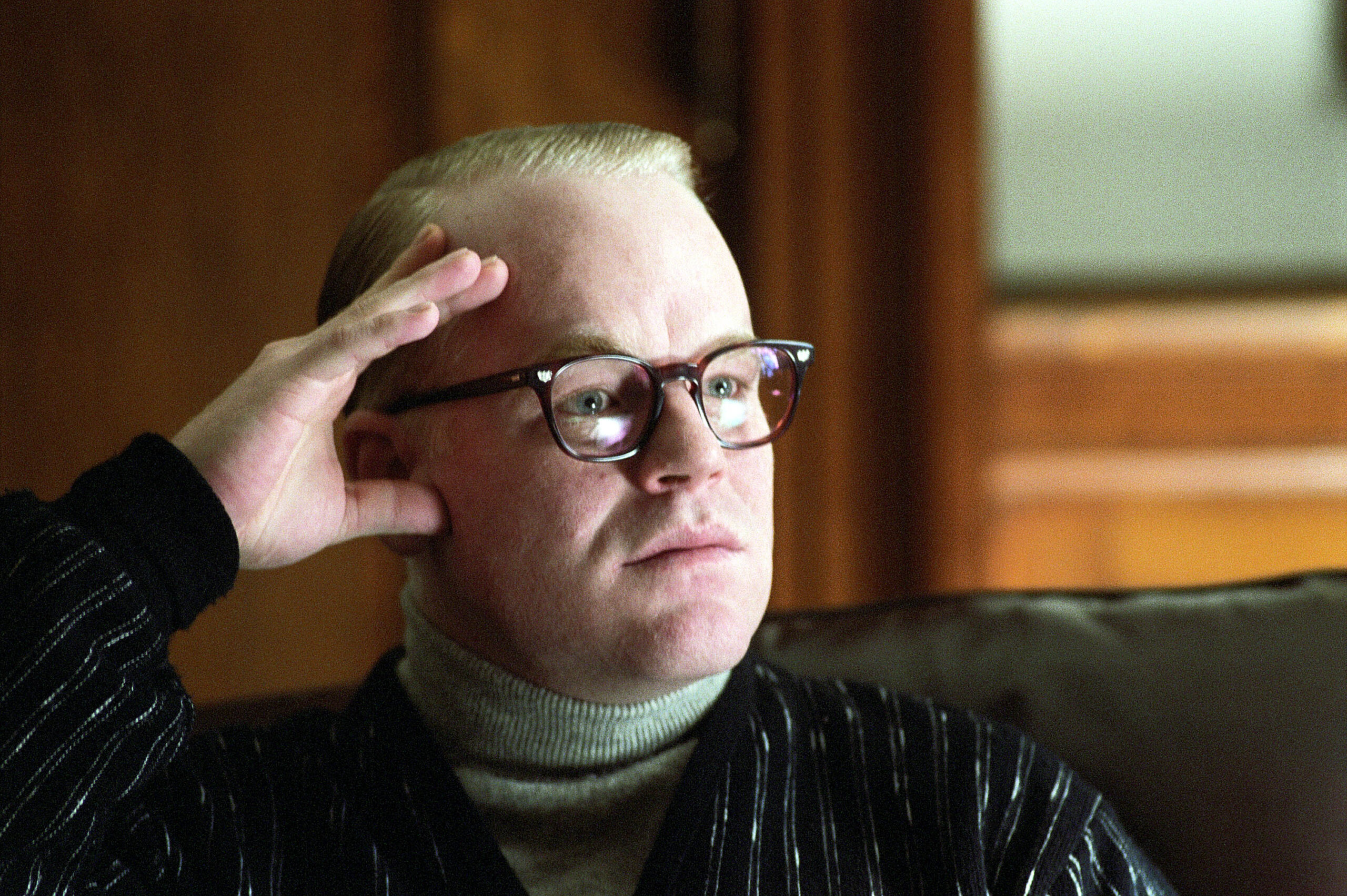
The Plaza Hotel has been buzzing for weeks. Five hundred guests, secret list, rigorous dress code: black and white masks and dresses. Who is there and who isn’t there is worth more than any literary prize. It’s November 28, 1966, and the man who decided all this speaks with a Southern accent that he has never lost, wears unlikely hats, and is called Truman Capote.
He had arrived at writing as one arrives at a refuge. Born in New Orleans in 1924, childhood in rural Alabama, mother who disappears, father who isn’t there, relatives who park him like inconvenient luggage. While the other children played outside, he stayed inside reading and writing. At seventeen he joined the New Yorker as a delivery boy. Observe, note, wait. He has the patience of someone who learned early that the world won’t come looking for him.
The first novel, ‘Other Voices, Other Rooms’, came out in 1948. The photograph on the cover – Truman lying on a sofa, looking obliquely, looking like someone who has already read the future – is as scandalous as the book. He’s young, he’s strange, he’s from the South, he’s homosexual in an America that hasn’t yet found a way to say it out loud. He doesn’t apologize for anything. It’s already a tactic.
The real blow came in 1966 with ‘In Cold Blood’. Six years of work, thousands of pages of notes, hundreds of hours spent in Kansas interviewing the two murderers of the Clutter family. Truman listens to them, studies them, goes to dinner. Maybe he becomes attached, maybe he pretends, maybe he himself doesn’t know where empathy ends and literature begins. The result is a book that invents a genre – the news novel – and does so with such cold precision that it seems cruel.
Meanwhile, Truman collects girlfriends like others collect stamps: Babe Paley, Gloria Guinness, Lee Radziwill. He calls them his Swans. He takes them to lunch, makes them laugh, guards their secrets with the care of a librarian. Then, in 1975, he published the first chapters of ‘Answered Prayers’ in Esquire – a novel à clef in which those secrets become very recognizable characters. The Swans abandon him one by one. Truman does not understand – or pretends not to understand – that there is a difference between telling the lives of others and selling them.
He is left alone with his talent – and with everything else. The Swans no longer call him. He who knew everything about everyone, who had transformed every confession into literary gold, in the end had forgotten the simplest thing: that secrets remain secrets only until they become literature.