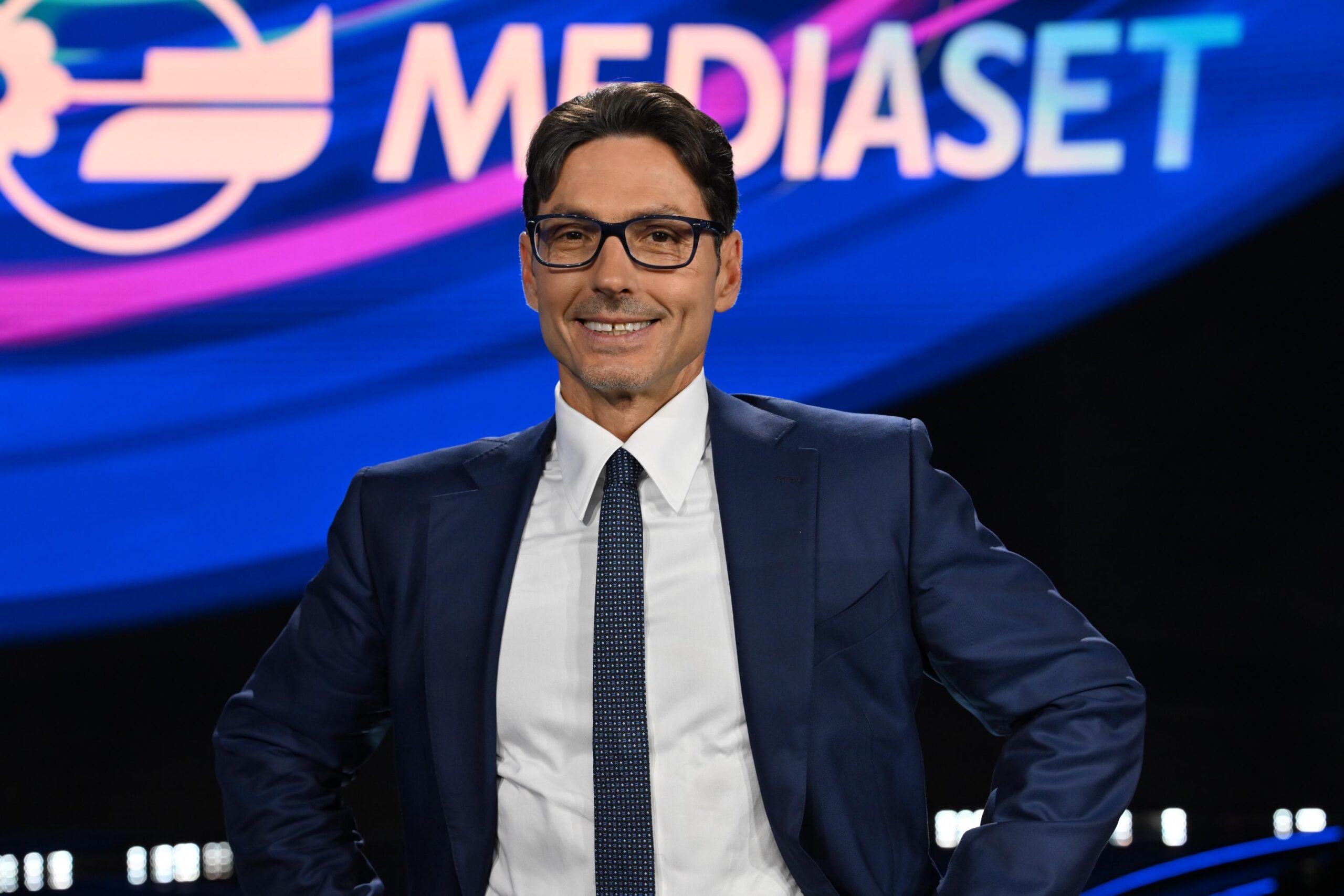
According to analyst Brian Wieser, the group led by Pier Silvio Berlusconi represents the most advanced model of pan-European television consolidation. The challenge is to build a common platform capable of competing with Google, Meta, Amazon, Netflix and YouTube.
TV is not dead and MFE MediaForEurope today represents one of the most advanced European television consolidation projects. This is the assessment of Brian Wieser, one of the most authoritative international analysts of the advertising and media market, former global president of GroupM Business Intelligence and today founder of Madison & Wall, an independent research and advisory company followed by investors, broadcasters and large operators in the sector.
In his latest analysis, Wieser starts from a television that is increasingly under pressure: a decline in linear audiences, fragmentation of streaming, advertising investments moving towards digital and a growing share of consumer attention absorbed by large technological platforms. It is in this scenario that reorganization operations are multiplying, from Comcast and Paramount in the United States to Sky-ITV and RTL-Sky Deutschland in Europe.
According to Wieser, however, consolidation within individual countries represents above all a defensive response. It can reduce costs, strengthen advertising revenue and improve profitability, but it does not change the nature of the model. In summary, it buys time but does not build the future.
The most solid prospect instead comes from the birth of pan-European operators capable of sharing streaming platforms, technologies, data, measurement systems and advertising tools. In this context, MFE, the group led by Pier Silvio Berlusconi, present in Italy, Spain and Germany with ProSiebenSat.1 and also active in Portugal, is indicated as the most advanced case of transnational consolidation in European broadcasting.
The value of the strategy, the analyst observes, is not simply in increasing the number of channels, but in building a European premium video platform, capable of offering advertisers common data, simplified purchasing and coordinated campaigns across multiple markets. A model designed to bring European television closer to the industrial scale on which Google, Meta, Amazon, Netflix and YouTube operate today.
For Wieser, however, television is not destined to disappear: sports, information, entertainment and professional content continue to represent a highly valuable asset. The real challenge is to adapt this model to the digital age, building platforms, technologies and advertising systems capable of competing with Big Tech and responding to new ways of consuming content.