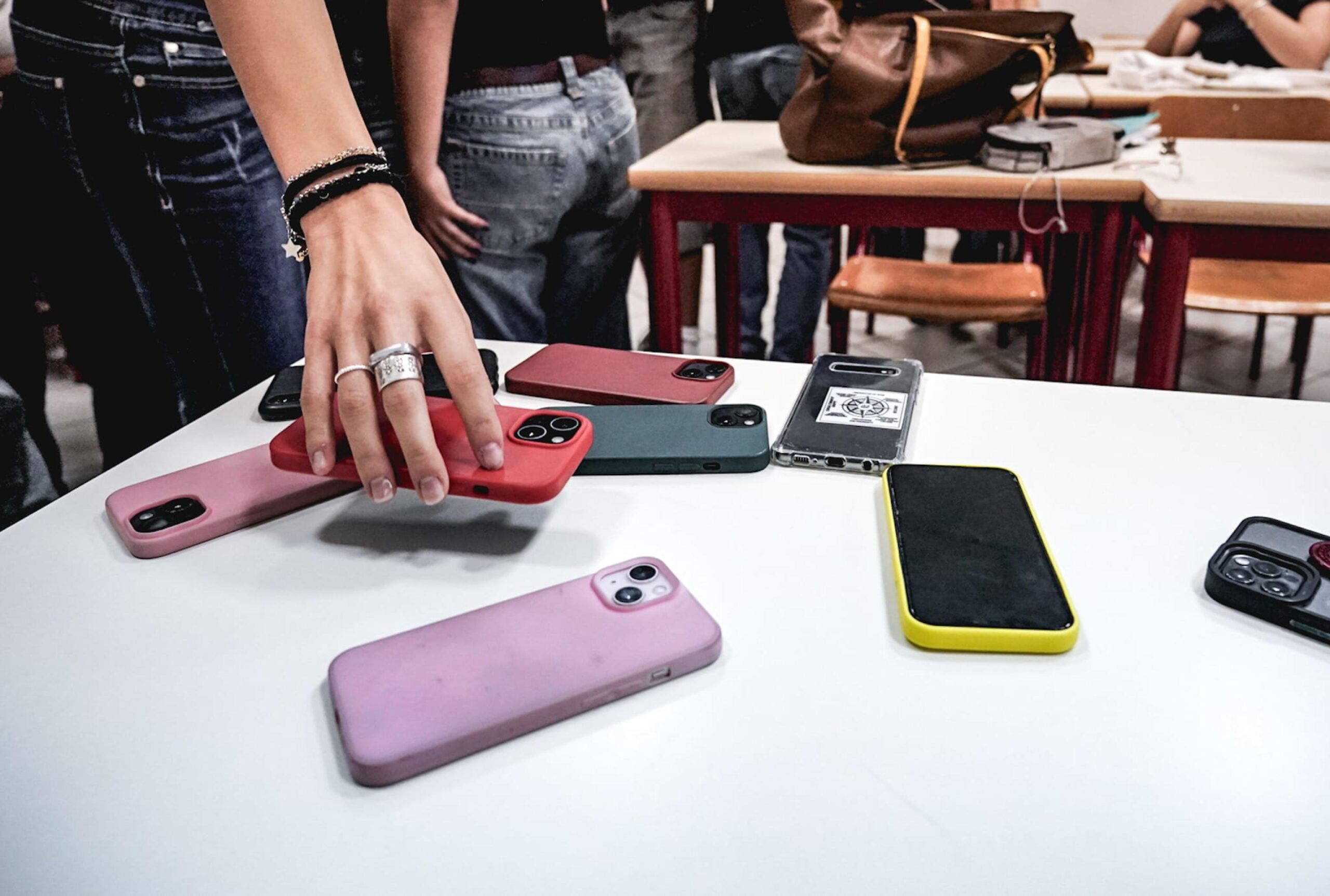
Mental well-being, a dopamine diet, and technological disillusionment are pushing more and more young people to abandon modern cell phones in favor of “dumbphones”. Here’s what they are and why they are increasingly convincing Gen Z
In the current world characterized by frenzy and hyper-connection, a unique phenomenon is taking hold among the new generations: many young people from Generation Z are opting for “digital detox”, giving up your smartphone.
The numbers of the phenomenon
A study published in 2024 (“Trendsetters: How Gen Z defined 2024”) already gave ample account of the extent of the phenomenon.
In the United States, sales of “dumbphone” (the classic mobile phones without apps and internet)e featurephone (which maintain few features such as Whatsapp and Maps) in the age group 18-24 year olds increased by 148% between 2021 and 2024. Over the same period, smartphone use among the same age group decreased by 12%.
In the Old Continent, the situation is less disruptive than in the USA but confirms the trend. According to data from the consultancy firm CCS Insightin 2024 feature phone sales in Western Europe increased by 4% compared to the previous year.
In the UK, in particular, they were sold out 450,000 keypad telephoneswith an increase of 50,000 units in 2023.
An analysis of CNN also found that the vast majority of feature phones sold in Europe (around 12 million units in 2024) are concentrated in mobile marketsCentral and Eastern Europesignaling that in Western Europe these devices still remain a niche, but growing, phenomenon.
The return to old cell phones
While the global feature phone market is worth billions of dollars, it’s important to understand which phones young people choose for their digital detox.
There are two options: on the one hand i “vintage” phonesobjects of desire for their retro charm and simplicity; on the other i modern dumbphonesspecially designed to be minimalist.
The charm of the past sees the telephones of the late nineties as the absolute protagonists. These re-editions, deliberately “dumb” or in any case minimal (equipped with a 4G network), have often been sold out in a few minutes (this is the case of the Nokia 3210), with waves of purchases that continuously depleted stocks.
The generally low prices and the promise of almost total disconnection did the rest for those kids of generation Z looking for digital detox.
Another alternative are i Light Phone and Punkt“minimalist” phones by choice without algorithmic feeds and push notifications, but only with “tools” for messaging, calling or setting alarms.
These devices, despite sometimes having modern features such as 4G or NFC, they maintain a deliberately bare and “boring” interface to discourage compulsive use.
The causes of the phenomenon
Because young people digital nativesare they voluntarily giving up connectivity? The reasons are profound and go beyond simple nostalgia.
Let’s start with what experts define as the so-called “dopamine diet”. The smartphone, with its notifications and unpredictable rewards, activates the same chemical circuit in the brain as addictions.
More and more young people are aware of this and are looking for a way to break the cycle of addiction to endless scrolling, which makes them feel “depressed and alone”.
Science confirms the benefits of this choice. A study published in PNAS Nexus found that block mobile internet access (keeping calls and texts active) for two weeks improved well-being, attention and mental health in 91% of participants.
Young people are the first to feel the negative effects of constant hyper-connection; just think that Gen Z is thethe only demographic that is reducing their digital footprintwith the average number of connected devices dropping from 5.3 to 5.0 between 2019 and 2023.
Then there is a clear one disillusionment with technology. One fact above all: according to a 2024 Harris Poll, over a fifth of Gen Z (18-27 year olds) wish smartphones had never been invented.
This tiredness does not only concern social networks, but extends to a more general malaise towards a technological ecosystem perceived as invasive and aimed only at capturing their attention.
Dumbphones therefore represent a niche phenomenon which nevertheless has all the characteristics to become a real one cultural movement. Not just retro fashion, but a generational response to digital saturation.