Heat is no longer just a matter of annoyance. It’s not just the shirt glued to your skin, the sleepless night, the dropping blood pressure, the heavy head, the struggle to get to the end of the day with acceptable clarity. When temperatures rise too high and remain high for a long time, the human body enters a deep stress zone. And there the discomfort becomes a health risk.
The heat waves that are passing through Italy do not only affect the skin or physical resistance. They can put pressure on the brain, the heart, the kidneys, the respiratory system, the entire mechanism by which the body tries to keep its internal temperature stable. This is why the Italian Society of Environmental Medicine, Sima, is launching a new alarm on the effects of record heat on health.
«Excessive heat causes health problems and can alter the body temperature regulation system. It represents a serious danger to human health, especially for more fragile subjects such as the elderly, children and citizens with pre-existing pathologies”, warns Alessandro Miani, president of Sima.
The point is simple and brutal: our body knows how to defend itself from the heat, but not indefinitely. When the environment becomes too hostile, when humidity blocks the evaporation of sweat and when exposure lasts for hours or days, the system begins to lose efficiency. And the signals, often underestimated, arrive long before the collapse.
Because extreme heat can affect the brain and vital organs
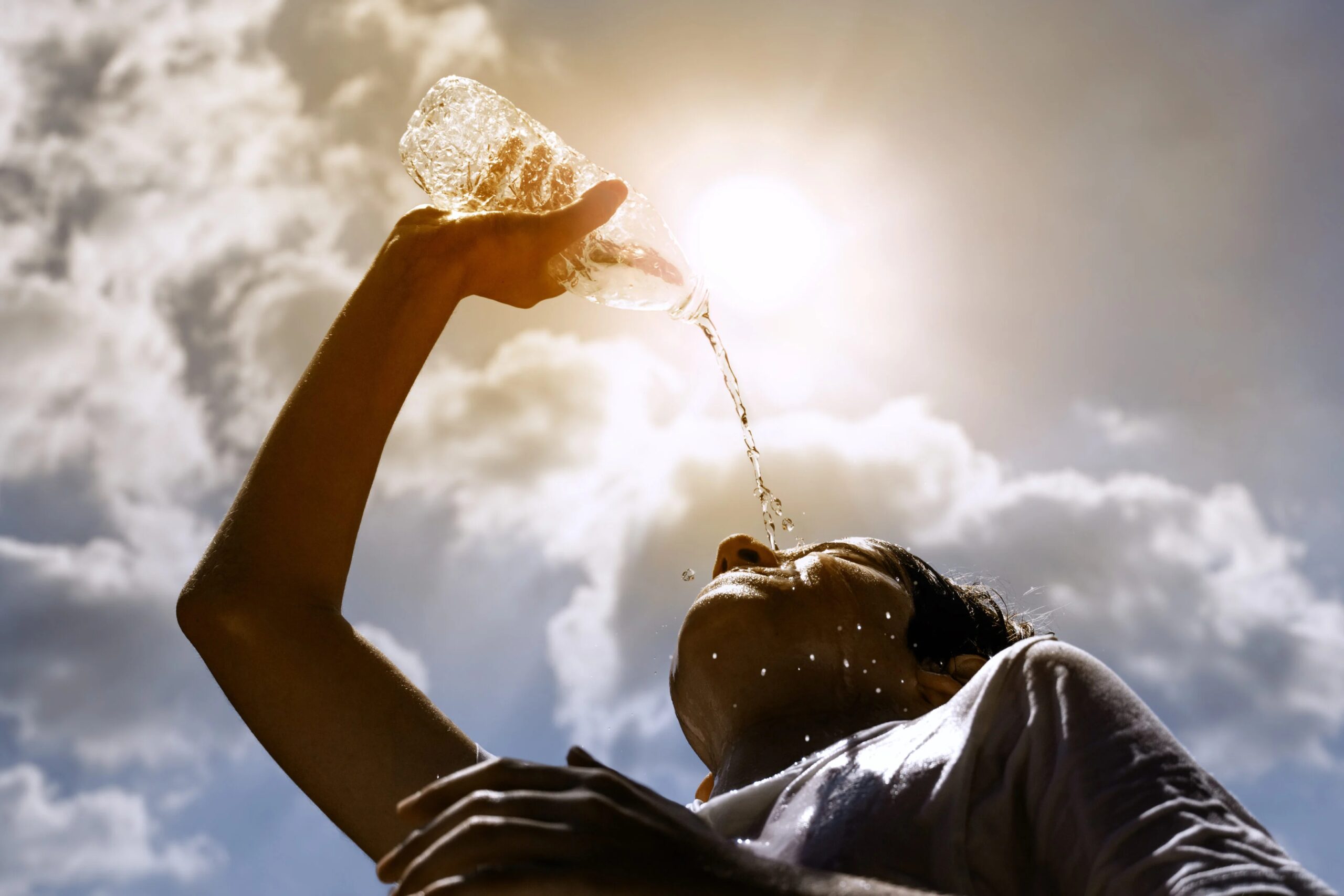
The human body works like a highly refined machine, but it needs to maintain its internal temperature within precise limits. When it’s hot, the first defense mechanism is sweating. You sweat, the sweat evaporates, the body cools. At least in theory.
«The human body cools itself through sweating», explains Miani, «but in certain environmental conditions this is not enough: excessive humidity prevents sweat from evaporating, with body heat increasing rapidly and can damage vital organs and the brain».
This is where heat stops being just a sensation and becomes a biological problem. If the body is no longer able to lose heat, the internal temperature rises. Blood pressure can drop, the heart works harder, breathing can become more tiring, fluids are reduced, mineral salts are lost, mental clarity begins to fail.
The brain is one of the first organs to feel the weight of this overload. Difficulty concentrating, irritability, sudden tiredness, headaches, a sense of confusion and dizziness are not simply whims of a hot day. These can be warning signs. The heat, when intense and persistent, slows down the mind, alters the perception of fatigue and can compromise attention, memory and reactivity.
It doesn’t just affect the elderly or sick people. It concerns those who work outdoors, those who travel during the hottest hours, those who live in poorly ventilated houses, those who study, those who drive, those who think they can “resist” because after all it’s only summer. The problem is precisely this: extreme heat is often normalized until the body presents the bill.
Pregliasco: «Heat waves, new climate and health emergency»
The anticipation of heat waves also makes the picture more worrying. No longer just August, no longer just the heart of summer. Extreme temperatures arrive earlier, last longer, change the calendar of health fragilities and put cities, hospitals, schools and workplaces to the test.
«The anticipation of heat waves represents one of the most concrete signs of the climate transformation underway in the Mediterranean basin, an area particularly exposed to the effects of global warming. A phenomenon that cannot be explained exclusively by temporary climatic oscillations, but which fits into a framework of progressive increase in temperatures and greater persistence of hot air masses of subtropical origin. The implications concern not only the environment, but also public health”, says Fabrizio Pregliasco, director of the specialization school in hygiene and preventive medicine at the University of Milan.
In short, the heat is no longer an episodic seasonal emergency. It’s a new condition to deal with. And doing so means stopping considering prevention a recommendation for fragile people. Prevention today concerns everyone.
«Prolonged exposure to high temperatures increases the risk of dehydration, heat stroke, aggravation of cardiovascular, respiratory and metabolic pathologies, with a particularly significant impact on the elderly, frail subjects, chronic patients and the most exposed workers». Not only that. «Climate change is not only increasing temperatures: it is redefining the very calendar of climate and health emergencies», concludes Pregliasco.
The symptoms of heat should not be underestimated
One of the most frequent mistakes is waiting for the discomfort to become serious. The heat, on the other hand, sends progressive signals. Some seem trivial, others are confused with tiredness, anxiety, low blood sugar, low blood pressure. But when they arrive during a hot day or after prolonged exposure, they should be read carefully.
Sima reminds us that «excessively high temperatures can cause mild ailments such as cramps, fainting, edema, but also serious problems, from congestion to dehydration, worsening the health conditions of people with pre-existing chronic pathologies».
Among the most frequent disorders are sunstroke, cramps, edema, congestion, dehydration and heat stroke.
Sunstroke can cause rashes or burns and can be accompanied by symptoms similar to those of heat stroke. Cramps are muscle pain linked to the loss of sodium through sweating and the consequent alteration of the water-salt balance. Edema, often visible on the feet and ankles, is caused by fluid retention in the lower limbs as a result of prolonged peripheral vasodilation.
Congestion, however, can be caused by drinking iced drinks when the body is overheated. Symptoms may include sweating and chest pain. Dehydration remains one of the most common and underrated risks: thirst, weakness, dizziness, palpitations, anxiety, dry skin and mucous membranes, muscle cramps and lowering blood pressure are signs that should not be dismissed as simple exhaustion.
The problem is that the heat doesn’t always hit spectacularly. Sometimes it doesn’t come with a sudden collapse, but with a slow loss of efficiency: you think worse, you react more slowly, you feel drained, you become less clear-headed. And it is precisely this gradualness that makes it dangerous.
How to recognize heat stroke
Heat stroke is the most serious form of thermoregulation failure. It occurs when the body is no longer able to keep its internal temperature under control and can manifest itself with different intensities.
«The first symptom is represented by a sudden general malaise, followed by headache, nausea, vomiting and a feeling of dizziness, up to states of anxiety and confusion», explain Sima.
It is precisely the states of confusion that should set off the alarm. A person who appears disoriented, very weak, unable to respond clearly, with very hot skin, nausea, vomiting, fainting or high fever should not be left to “just rest”. In these cases you must immediately move her to a cool place, gradually lower her body temperature and contact the doctor or emergency services.
Heatstroke is not a beach scene nor an Italian summer urban legend. It is a potentially serious condition. And it becomes even more risky for the elderly, children, people with chronic diseases, cardiovascular, respiratory or metabolic patients, workers exposed to the sun, athletes and people who live in environments without adequate ventilation.
Warmth and brain: why you feel tired, slow and confused
Among the least talked about symptoms of extreme heat is the effect on the mind. Heat stroke doesn’t always happen. Much more often we go through an intermediate zone of cognitive tiredness, irritability, difficulty concentrating, disturbed sleep, less prompt memory, feeling of fogginess.
The brain needs balance: liquids, mineral salts, oxygenation, stable pressure, sleep. The heat can disturb all this. If you sleep poorly because the temperature remains high even at night, your attention span decreases the next day. If you drink little, dehydration can increase weakness and dizziness. If the blood pressure drops, you may feel unstable, confused, empty.
This is why the heat wave is not just a medical problem in the strict sense. It is also a daily safety issue. Driving, working on machinery, spending long hours on the computer, making quick decisions, navigating traffic, playing sports or caring for children and the elderly become more demanding activities when the body is already fighting to cool down.
The phrase “I can’t connect because of the heat” may seem ironic. But, in certain cases, it tells something very concrete.
How to protect yourself from record heat: practical rules
Prevention remains the most effective weapon. Sima invites you to avoid exposure to heat and direct sun, leaving the house only in the coolest hours. At home it is important to ensure adequate air exchange and facilitate natural ventilation, keeping the rooms cool with shutters, shutters or curtains, especially on windows exposed to the sun.
During the day it is better to close the windows during the hottest hours and open them in the evening and at night, when the temperature drops. Frequent baths and showers with warm water help lower body temperature without causing excessive changes.
Hydration is essential. The recommendation is to drink at least 1.5/3 liters of water during the day, avoiding alcohol and preferring foods rich in water, such as fruit and vegetables. When you go out, you need to protect your eyes with sunglasses, prevent sunburn with high protection factor sun creams and wear clothes made of natural fibres, such as linen or cotton, which are breathable and possibly light-coloured.
Outdoor sporting activity should be avoided during the hottest hours. It’s not a question of laziness, but of biological common sense. Training when the body is already struggling to disperse heat means increasing the risk of cramps, dehydration, drops in blood pressure and heat stroke.
The record heat does not ask for heroism. It asks for adaptation. Go out less at critical times, drink before you feel thirsty, supervise children and the elderly, never leave people or animals in the car, freshen the rooms, slow down when the body sends clear signals.
Because the heat today is no longer just the scorching backdrop of summer. It is a test of endurance for the body and mind. And learning to recognize the signs doesn’t mean being afraid: it means staying clear when everything, even your brain, risks going haywire.